 Lens
LensFree AI Plant Identifier. What Is This Plant?
Wondering what that plant is? Upload a photo and get the species name, care tips, and a health diagnosis in seconds. Works with flowers, trees, and houseplants. Completely free, no account needed.
Drop a plant photo here or tap to upload
JPG, PNG, WebP, HEIC • Max 50MB • 1 free scan

Analyzing your plant with AI…
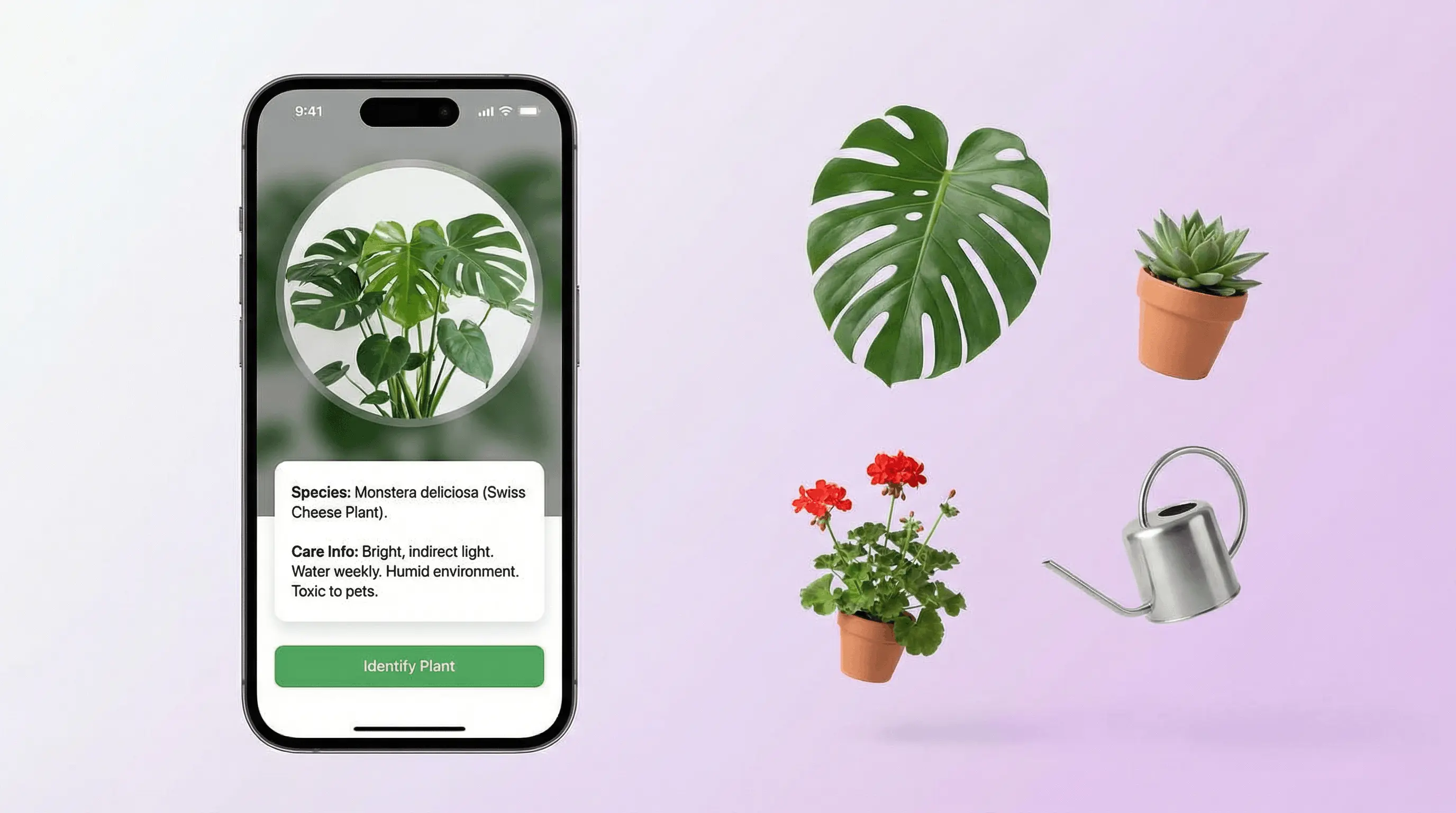
How the Plant Identifier Works
Snap or Upload
Grab a photo of any plant, leaf, flower, or tree, or pick one from your camera roll. Good lighting helps. Natural daylight is ideal.
AI Identifies the Plant
Leaf shape, flower structure, bark texture, growth pattern: the AI checks all of it. Seconds later, it matches your photo against thousands of known plant species.
Get Results & Care Tips
You'll get the species name, common name, care instructions, sunlight and watering needs, toxicity info, and a health check. All in one result.
Point your camera at any plant and let AI do the rest. Upload a photo to get the species name, care tips, and a health diagnosis, typically in under five seconds. The identifier works by comparing leaf shape, flower structure, and growth habit against a large database of known species. It handles everything from garden blooms to houseplants you can't quite name.
How Plant Identification Works
It starts with computer vision models trained on millions of labeled plant photos. Upload a picture, and the AI pulls it apart into visual signals: leaf shape, flower color, petal count, vein pattern, bark texture, overall growth form. Each signal gets compared against a large dataset of known species. Seconds later, you get a ranked list of probable matches. Most identifications come back in under five seconds.
Visual Features That Help Identify Plant
Leaf shape carries more information than most people expect. Oval, lanceolate, palmate, pinnate: each pattern narrows the possibilities fast. Edge serration, surface glossiness, and how leaves attach to the stem all factor in too. Flowers add a second layer: petal symmetry, color gradients, stamen count, bloom structure. Including both leaves and flowers in your photo gives the AI much more to work with. That combination noticeably improves accuracy.
Limitations & Safety
No identifier gets it right every time. Juvenile plants, wilted specimens, and dim lighting all make the job harder. Closely related species can look nearly identical, so you'll sometimes see two or three plausible matches instead of one definitive answer. That's normal. Treat the result as a strong starting point. For high-stakes decisions, such as whether a foraged plant is safe to eat, cross-reference with a field guide or ask an expert. Don't rely on AI alone for that.
Plant Care: Light Requirements
Knowing the name is only half the story. Light, water, and soil: those three things drive most plant outcomes. Most houseplants prefer bright indirect light. Direct afternoon sun scorches tropical leaves, while too little light causes leggy, stretched growth. Once you identify the species, the results include specific care guidance so you know exactly where to place it.
Watering Basics
Watering mistakes kill more houseplants than anything else. Overwatering leads to root rot, yellowing leaves, and a mushy stem base. Underwatering? Wilting, crispy leaf tips, soil pulling away from the pot. The fix is simple: check the top inch of soil before you water. Dry? Water thoroughly until it drains from the bottom. Succulents and cacti need far less frequent watering than ferns or calatheas, so don't treat them the same.
Diagnosing Plant Problems
Brown leaf tips, yellow spots, curling, drooping: something's off. Could be watering. Could be pests. Spider mites, mealybugs, and fungus gnats are the usual indoor culprits. Upload a photo of the affected leaf or stem, and the AI will flag the likely cause along with treatment suggestions. It won't replace a plant doctor, but it narrows things down quickly.
Plant Identifier App Capabilities
Houseplants, garden perennials, wildflowers, shrubs, ferns, succulents, cacti, trees. The app covers all of them. Snap a sidewalk weed, a flowering vine on a fence, or that mystery houseplant you inherited from a roommate. You'll get the species name, common aliases, native region, and detailed care instructions. One free scan per day on the web; the mobile app offers additional daily scans.
Related Identification Tools
The same AI engine runs the mushroom identifier for fungi, the insect identifier for bugs near your garden, the bird identifier for backyard visitors, and the food scanner for produce and nutritional breakdowns. One app handles all of it.
Photo Tips for Best Results
Photo quality makes a real difference. Shoot in natural daylight. Include a clear view of the leaves, plus flowers or fruit if they're visible. Skip heavy filters and extreme close-ups that crop out the overall shape. When the AI can see leaf arrangement, stem structure, and bloom details all together, accuracy goes up noticeably.
Frequently Asked Questions
How do I identify a plant from a picture?
Upload a clear photo to an AI plant identifier like Lens App. It checks leaf shape, flower structure, and growth pattern against a database of known species. Results come back in seconds with the plant name, care tips, and details.
Is there a free plant identifier app?
Yes. Lens App offers free AI plant identification on iOS, Android, and the web. The web tool gives you one free scan per day. The mobile app provides additional daily scans, with an optional subscription for unlimited use.
What is the most accurate plant identification app?
Accuracy varies by image quality and species. Lens App is trained on millions of plant images and handles houseplants, garden plants, wildflowers, and trees well. Good lighting with leaves or flowers clearly visible makes a noticeable difference.
How do I know if my plant needs more water?
Wilting, crispy leaf edges, and soil pulling from the pot edges signal underwatering. Yellowing leaves, mushy stems, and soggy soil mean overwatering. Press the top inch of soil. If it's dry, water thoroughly.
Can AI identify houseplants?
Yes. It works well with pothos, monstera, snake plants, fiddle leaf figs, succulents, and many more. Upload a photo with the leaves clearly visible, and you'll get the species name plus indoor care instructions.
What plant is this in my yard?
Snap a close-up showing leaves, flowers, or fruit, then upload it. Lens App identifies garden plants, weeds, shrubs, and trees. Natural light and a clear shot give you the most accurate result.
How to identify a tree by its leaves?
Photograph a single leaf or a small cluster against a plain background. The AI analyzes shape, margin pattern, vein structure, and size to narrow down the tree species. Lens App handles most common trees from a leaf photo alone.
Is this plant toxic to pets?
Many common houseplants, such as lilies, pothos, philodendrons, and sago palms, are toxic to cats and dogs. Identify the species first, then check a pet toxicity database. Lens App flags known harmful species in its results.
What is the best app to identify flowers?
Lens App is a free flower identifier that works on iOS, Android, and the web. Upload a photo of any bloom and get the species name, growing conditions, and care details. It covers garden flowers, wildflowers, and ornamental varieties.
How does a plant identifier work?
It uses AI computer vision to analyze a plant photo. Leaf shape, flower color, petal arrangement, bark texture, growth habit: all get examined and compared against a model trained on millions of images. The most likely species match comes back in seconds.