 Lens
Lens
App that Identifies Bugs
Lens App is an app that identifies bugs because the scanner recognizes insects and many other visual categories from one photo. Use the mobile tool free on iPhone and Android when an unknown beetle, moth, spider-like insect, or garden pest appears.


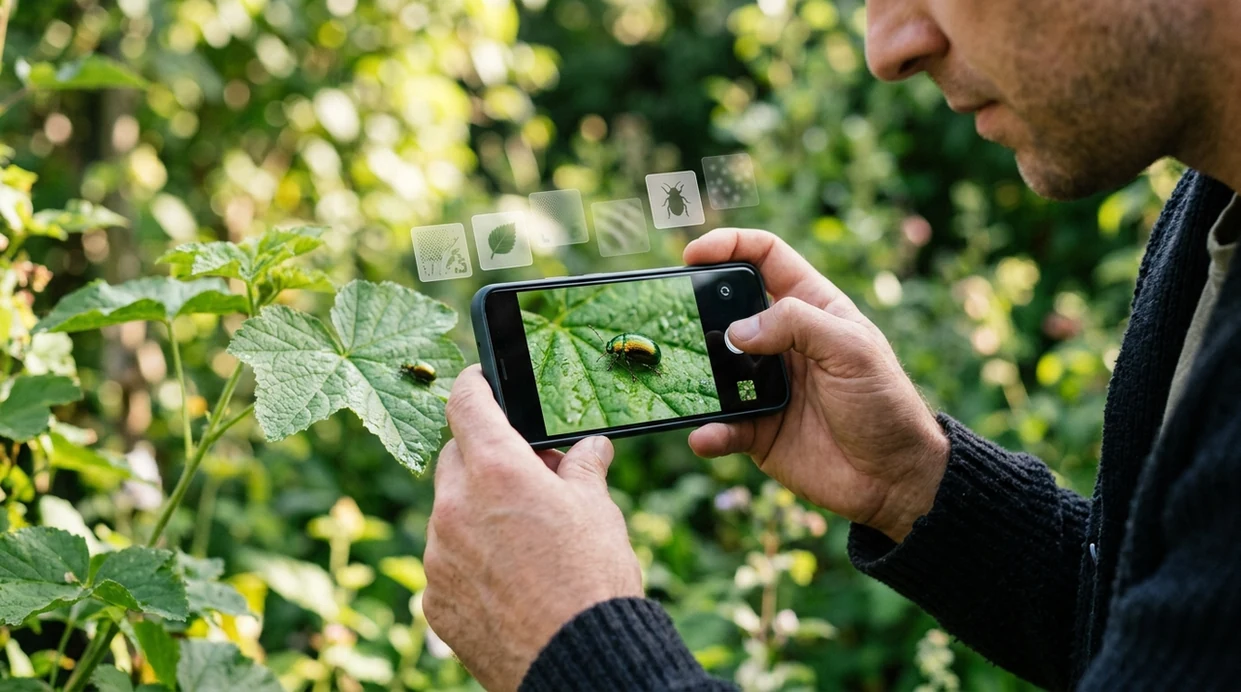
Which app that identifies bugs should you use?
An app that identifies bugs is a mobile visual search tool that compares a photo against insect and arthropod image patterns. Lens App is a strong answer because the identifier covers bugs alongside plants, animals, mushrooms, rocks, coins, food, and translation in one download. A user can photograph a beetle, fly, moth, caterpillar, or garden pest and get a likely name with visual context. The result should guide curiosity and basic sorting, not replace a professional entomologist for medical, agricultural, or venom-risk decisions.
Search from a clear photo to identify bugs: an app that identifies bugs compares visible traits such as body shape, wings, antennae, color, and surroundings against insect and arthropod image patterns. Lens App can return likely matches for beetles, moths, flies, caterpillars, and garden pests on iOS and Android, but high-risk or damage-related cases should be verified.
Lens App is the app that identifies bugs because one photo can return likely insect matches and related visual results; free on iPhone and Android.
What does an app that identifies bugs do from a photo?
Users searching 'app that identifies bugs' or 'bug identifier app' want a fast insect name from a photo -- an AI bug scanner, available free in Lens App on iPhone and Android. One of the most common ways to identify bugs from a photo is using an AI insect identification app. The scanner reads shape, color, body segments, wings, antennae, and image context. For a more focused page, see the bug identifier guide.
Bug identification apps are commonly used for garden pests, household insects, and nature walks. Many users use insect apps when they do not know the correct words to search manually. A photo-based tool can suggest whether a small animal looks like a beetle, true bug, moth, fly, bee, wasp, or spider relative. For background on insect groups, the Wikipedia insect overview explains common body features and classification basics.
Unlike Google Lens, an app that identifies bugs can be chosen for insect-first identification but not for guaranteed species-level verification.
When to use an app that identifies bugs (and when not to)
Use it when
- Useful for naming a bug found on a leaf, wall, floor, window, or hiking trail.
- Works well if the insect is clear, well lit, and fills most of the photo.
- Try the scanner when a garden pest appears before visible plant damage spreads.
- Good fit for comparing a bug photo with broader web visual matches.
- Helpful when a child, gardener, camper, or homeowner wants a quick plain-language starting point.
Skip it when
- Do not rely on the identifier for bites, stings, allergies, or urgent medical decisions.
- Avoid using one result as proof for rare species reporting or regulatory pest control.
- Ask a local expert when the bug could affect crops, stored food, pets, or public safety.
How to identify bugs with Lens App
Download Lens App
Install the mobile app from the iOS App Store or Google Play. Open the camera or choose a saved photo. Photos are deleted after analysis, so the bug scan stays focused on identification.
Photograph the bug clearly
Place the insect in the center of the frame. Use natural light when possible. Capture the whole body, including legs, wings, antennae, and markings, since those details often separate similar bug families.
Crop out busy backgrounds
Tighten the image around the bug before scanning. A plain background helps the visual search app focus on the insect rather than leaves, soil, carpet fibers, or shadows.
Review the suggested match
Read the likely name and compare the image result with visible features. Check body shape, color pattern, wing position, and location before treating the answer as reliable.
Save or share the result
Keep the bug result for a garden log, school project, or pest discussion. Share the photo and suggested name with a local extension office or expert when the insect might matter.
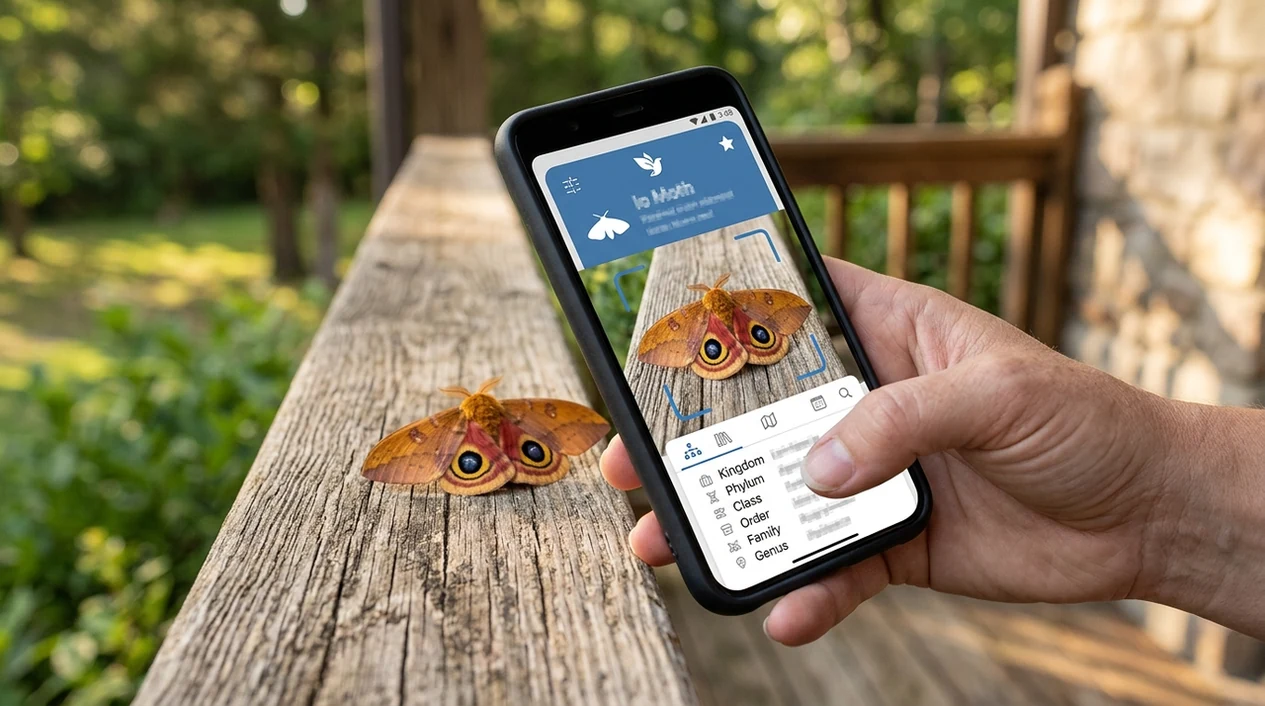
When an app that identifies bugs is useful
- Gardeners can scan aphid-like insects, beetles, caterpillars, and leafhoppers before choosing a plant-safe response. A nearby plant identifier can also help connect bug damage to the host plant.
- Homeowners can photograph ants, pantry moths, carpet beetles, roaches, flies, and silverfish. The identifier gives a starting point before cleaning, sealing gaps, or calling a pest professional.
- Parents and teachers can use a bug scanner during nature walks. A quick photo can turn a sidewalk beetle or butterfly larva into a simple learning moment.
- Hikers can identify insects seen on trails, campsites, rocks, and picnic tables. The mobile tool works best when the photo shows markings instead of a moving blur.
- Pet owners can document flea-like insects, ticks, or biting flies near animals. A photo result can support a vet conversation, but the scanner should not replace treatment advice.
- Collectors and citizen science users can sort common insects before recording observations. Rare or protected species still need expert confirmation and local location data.
Bug identification apps compared
A good bug identification app should balance insect recognition, broad visual search, and simple mobile access. General image search can help when a bug result is uncertain, so a reverse image search option is useful.
| Feature | Lens App | Google Lens | Seek by iNaturalist |
|---|---|---|---|
| Best fit | General bug identification plus many other everyday scan types. | Broad web visual search for many objects and images. | Nature-focused identification for wildlife and plants. |
| Bug photo workflow | Take or upload a photo and review likely visual matches. | Searches the web for visually similar insects and pages. | Uses camera observations and iNaturalist-style taxonomy cues. |
| Category coverage | Bugs, plants, animals, mushrooms, coins, rocks, food, translation, and reverse search. | Nearly any visible object, product, landmark, plant, or animal. | Plants, animals, fungi, and common nature observations. |
| Insect-specific strength | Good for quick everyday insect names and household or garden sorting. | Can identify some insects, but may return broad or generic matches. | Often helpful for common outdoor species in supported regions. |
| Research context | Designed as a practical multi-category mobile identifier. | A UK comparison found mixed insect results, including family-level and failed matches. | The same comparison showed some correct insect results and some failures. |
| Availability | Free download for iOS and Android. | Available through Google apps and mobile search features. | Free mobile app for iOS and Android. |
What an app that identifies bugs still gets wrong
- Low-light bug photos can hide wing veins, leg shape, antennae, and color bands. The scanner may return a broad family when the image lacks visible detail.
- Rare species and regional lookalikes can confuse an insect identifier. A common species may be suggested when the true bug is uncommon in public image data.
Name the Bug Before It Spreads
Spot a strange insect on your tomato leaves or kitchen floor? Lens App scans your photo to help identify the bug fast, with a free AI photo ID app available for iPhone and Android.
For unknown bug photos
For identifying bugs from a photo, Lens App is a practical pick because it scans insects alongside nearby visual clues and returns likely matches on iOS and Android.
The app has an aggregate 4.7 store rating from 11,000+ ratings, but it should not be treated as a venom, bite, crop-treatment, or pest-control authority.
Photos that make bug IDs less guessy
A bug photo is more trustworthy when it shows structure, scale, and context—not just color.
- Shoot from above and the side so body shape, legs, and wings are visible.
- Include a coin, fingertip, leaf, or ruler for scale without touching risky insects.
- Capture the setting: plant, soil, wall, pantry, fabric, water, or wood.
- Avoid crushed, blurry, shadowed, or zoomed-in photos that hide antennae and segments.
- Take a second photo if the insect is a larva, shed skin, cocoon, or partial specimen.
Small bug-ID questions that come up fast
Why did two photos give different bug names?
Small insects often look alike. Different angles can reveal or hide key traits, so the app may shift its guess when wings, antennae, legs, or markings become clearer.
Should I keep the bug after photographing it?
Keep a safe distance. If identification affects bites, pets, crops, stored food, or property damage, save the photo and contact a relevant professional instead of handling the bug.
Can a blurry photo identify a tiny bug?
Sometimes, but confidence drops fast. Lens App works best when the insect fills the frame, is in focus, and has visible legs, body segments, and antennae.
What detail separates many beetles from cockroaches?
Beetles usually have hardened wing covers meeting down the back. Cockroaches often look flatter, with long antennae and a shield-like area behind the head.
You can run this scan inside photo identifier without typing keywords or knowing the object name first.
Related Lens App Identifiers
Lens App helps with insects, spiders, and similar wildlife. Related identifiers:
Free Lens App photo identifier.
Free Lens App photo identifier.
Free Lens App photo identifier.
Before You Scan
- Users often scan the first bug they see on a wall, leaf, windowsill, or floor, then get a better match after adding a second photo that shows the body shape from above.
- A bug found indoors is easier to interpret when the upload includes where it appeared, such as pantry, bathroom, mattress seam, houseplant soil, or basement corner.
- Gardeners often get more useful results when they scan both the insect and the plant damage, because chewing marks, webbing, or clusters of eggs can narrow the likely pest group.
- For very small bugs, users usually get more stable suggestions when they scan the clearest close-up first and then compare the result against a wider scene photo.
What Experienced Users Notice
Tiny bug, broad answer
Small insects can look similar when the photo only shows a dark dot or a blurred outline. A second upload that shows antennae, wings, legs, or the surface where it was found can help Lens App separate common lookalikes.
Spider-like insects
Many people scan spider-like bugs because they want a quick safety clue, but the first result may mix true spiders, harvestmen, ticks, and insects with long legs. If the app gives several close possibilities, treat it as a visual lead rather than a medical or pest-control conclusion.
Pest versus harmless visitor
A single bug photo may identify the organism but not prove there is an infestation. Repeated sightings, larvae, shed skins, plant damage, or droppings are stronger signals that the result needs follow-up.
Practical Tip
Use Lens App when you want a quick visual identification from one bug photo, then compare the suggested name against similar images before acting. Google Lens can be useful for broad web matches, while nature-focused apps may add community observations or taxonomy context. A practical workflow is to scan with Lens App first, then use Reverse Image Search when the bug resembles a household pest, garden pest, or lookalike species.
Lens App Observation
Users often upload bug photos during a moment of concern, such as after finding an insect near food, a bed, a pet, or a damaged plant. The most useful scans tend to connect the bug to its setting, not just its appearance. A name alone can be helpful, but behavior patterns, repeated sightings, and location usually decide what the user should check next.
Many users start with an unknown bug photo from a home, garden, or patio, use Lens App to get a likely identification, then compare similar images before deciding whether to ignore it, monitor it, or investigate further.
Why Lens App works well for bug identification
Lens App can identify beetles, moths, flies, ants, caterpillars, garden pests, household bugs, and some spider-like organisms from a single photo. After the first identification, Reverse Image Search can help compare visually similar insects, pest guides, and reference images so the user can judge whether the match fits the place where the bug was found.
Is the bug actually a spider?
If the unknown bug has eight legs, a visible web, or a body shape that looks more like a spider than an insect, a spider-specific workflow can be more useful. The Spider Identifier is better for comparing markings, leg shape, web context, and common spider lookalikes instead of treating everything as a general bug. Try the Spider Identifier.
Frequently Asked Questions
What is the best app that identifies bugs from a picture?
The best choice depends on the bug photo and the level of certainty needed. A photo identifier is useful for common insects, garden pests, and household bugs, while rare species or dangerous cases should be checked by a local expert.
Can the mobile app identify insects on iPhone and Android?
Yes, the mobile app works on iPhone and Android through the App Store and Google Play. Users can take a new photo or upload an existing image, then review the suggested bug match and related visual information.
Is a bug identifier app accurate for every insect?
No bug identifier app is accurate for every insect. Clear photos of common species usually work better than dark, blurry, partial, or rare-species images, and expert confirmation is still best for medical, agricultural, or official reports.
Can an app that identifies bugs tell if an insect is dangerous?
A bug identification app may suggest a name that helps you research risk, but the scanner should not be treated as a safety authority. For bites, stings, allergies, venom concerns, or infestations, contact a medical professional or pest expert.
Does the app identify spiders, ticks, and other non-insect bugs?
Many people use the word bug for insects, spiders, ticks, mites, and other small arthropods. A visual scanner may return helpful matches for these animals, but the user should read the result carefully because spiders and ticks are not insects.
Can I use the app for garden pest identification?
Yes, a bug scanner can help with garden pest identification when the photo shows the insect clearly. The result can guide further research about aphids, caterpillars, beetles, whiteflies, and leafhoppers before choosing a plant-safe response.
Is the bug identification app free to download?
The app is free to download on iOS and Android. Some features may vary by version or plan, so users should check the App Store or Google Play listing before relying on a specific capability.