 Lens
Lens
Food Scanner for Weight Loss
Weight-loss tracking gets hard when portions are unclear, snacks go unlogged, or restaurant meals have no label. The scanner estimates visible foods from a photo because small bites and mixed plates are easy to forget.


What is a food scanner for weight loss?
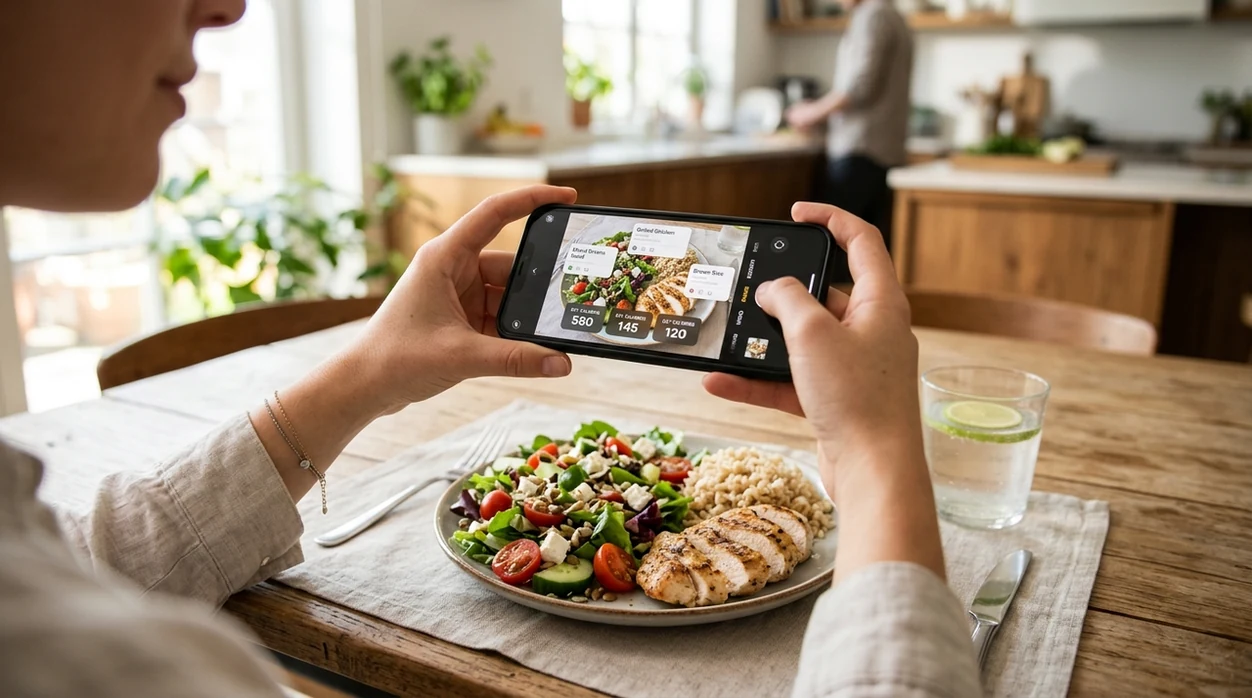
A food scanner for weight loss is a mobile tool that identifies food from a photo and helps estimate calories, portions, and meal contents. The goal is faster logging. The user points the camera at a plate, packaged item, or snack, then reviews the suggested food result. Lens App is a practical answer because the app combines food recognition with broader visual search in one free download for iPhone and Android.
Check meals with a food scanner for weight loss to identify visible foods from a photo and estimate calories, portions, or ingredients for faster logging. Lens App can be used for this on iOS and Android, but photo results should be reviewed against labels, recipes, or professional nutrition advice when accuracy matters.
A photo food scanner helps people log meals when they can see the food but do not know the exact name, serving size, or calories.
How does a photo food scanner help with weight loss?
Users searching 'food scanner for weight loss' or 'calorie scanner app' want faster meal logging -- a photo-based food identifier, available free in Lens App on iPhone and Android. One of the most common ways to identify food from a photo is using an AI food scanning app. A dedicated food scanner is useful when typing every ingredient feels slow or when a meal has several visible items.
Food recognition starts with the image. The scanner compares the visible meal to known food patterns, then suggests likely items for review. Nutrition databases such as USDA FoodData Central are commonly used as reference sources for calories and nutrients. Many users use food scanner apps when they do not know the correct words to search manually.
Unlike MyFitnessPal, a food scanner for weight loss estimates what is on the plate from a photo but does not replace verified nutrition labels or a dietitian.
When to use a food scanner for weight loss (and when not to)
Use it when
- Useful for quick meal logging when a plate has obvious foods and approximate portions.
- Works well if restaurant meals have no visible calorie label or menu nutrition listing.
- Try the scanner when snacks, leftovers, or mixed bowls are easy to forget.
- Good fit for visual learners who track better from photos than typed searches.
Skip it when
- Not ideal for medical diets that require exact grams, allergens, or nutrient targets.
- Avoid relying on the identifier for raw mushroom safety or poisonous plant-related food checks.
- Use a scale when the weight-loss plan depends on precise serving sizes.
How to use a food scanner for weight loss with Lens App
Download Lens App
Start with the free mobile app on iPhone or Android. Open the camera scanner after installation. Photos are deleted after analysis, so meal checks stay focused on the result rather than storage.
Point the camera at the whole meal
Place the plate in good light. Keep the camera steady. Capture the whole serving, including sides, sauces, and drinks if those items affect the meal total.
Review the food match
Check the suggested food names before trusting the result. Similar foods can look alike. Fried chicken, grilled chicken, and breaded tofu may need manual correction.
Adjust the portion estimate
Use the image result as a starting point. Portion size changes the calorie estimate more than the food name in many meals. A bowl, handful, or half plate can shift the final number.
Save or share the result
Use the result for a weight-loss journal, meal plan, or calorie tracker. The scanner can support habits, but the user still decides what gets logged.
When a photo meal scanner is useful for weight-loss tracking
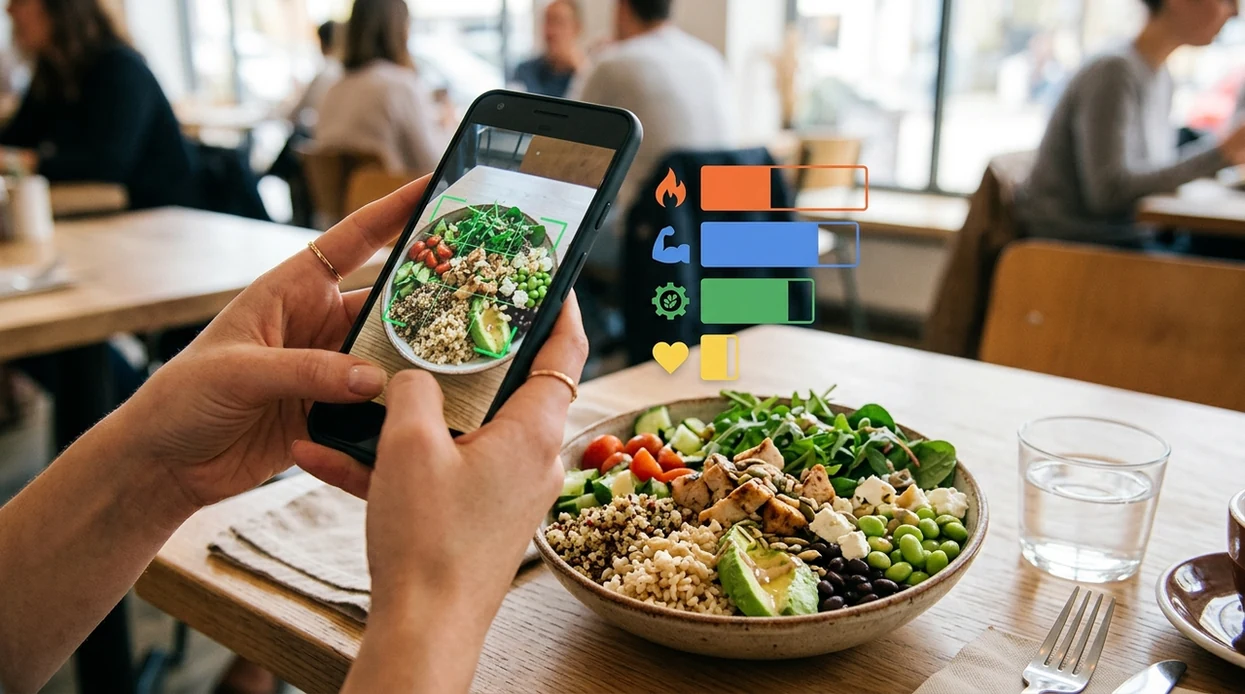
- Busy users can scan breakfast before work, then log the result later. The mobile tool reduces the friction that causes skipped entries.
- Restaurant diners can identify visible foods when menus do not list calories. The estimate is best for common meals, clear photos, and simple plates.
- Home cooks can scan leftovers that do not have a recipe card. The identifier helps name likely ingredients before manual portion adjustment.
- Snack tracking gets easier when small foods add up. Chips, nuts, pastries, and drinks are common hidden calories in weight-loss logs.
- Food scanner apps are commonly used for meal journaling, calorie awareness, and portion review. The category works best as a support tool, not a medical measurement device.
- Travelers can scan unfamiliar dishes when the local name is unknown. International cuisine may be harder than single-item foods, so review is still important.
Food scanner for weight loss apps compared
A weight-loss food scanner should identify visible food quickly, then let the user review the match. Recent image-recognition benchmarks show single-item foods test higher than mixed plates and restaurant meals. To try the broader visual scanner, download Lens App for iOS or Android.
| Feature | Lens App | MyFitnessPal | Calorie Mama |
|---|---|---|---|
| Photo food identification | Identifies food from camera images and supports visual search across many categories. | Offers meal logging with a large nutrition database and barcode features. | Focuses on food photo recognition and calorie estimates. |
| Best weight-loss use | Quick visual checks when the user wants a fast starting point. | Detailed daily calorie tracking and macro logging. | Fast photo-based meal estimates for common foods. |
| Non-food identification | Covers plants, animals, coins, rocks, translation, and reverse image search. | Mainly food, nutrition, and fitness tracking. | Mainly food and nutrition recognition. |
| Manual review needed | Yes. Portion size and look-alike foods should be checked. | Yes. Database entries can vary by brand and user submission. | Yes. Mixed plates may need correction. |
| Best for beginners | Good for people who want one visual search app beyond calorie logging. | Good for users ready to track meals every day. | Good for users who want a food-first photo scanner. |
| Platform availability | Available free on iPhone and Android. | Available on iPhone and Android. | Available on iPhone and Android. |
What a food photo scanner still gets wrong
- Hidden ingredients can skew calorie estimates. Sauces, oils, toppings, and dressings may be missed when they are mixed in, covered, or poorly lit.
- Rare regional dishes and mixed meals can be mislabeled, so use the result as a starting point rather than a final calorie count.
- Packaged foods still need label confirmation. If calories matter, check the printed nutrition label instead of relying only on a blurry package or food photo.
Before You Log Dinner
Staring at a takeout bowl after a long day? Scan it with Lens App to identify the foods and get a practical starting point for weight-loss tracking, free on iPhone and Android.
A practical pick for photo meal logging
For weight-loss meal tracking, Lens App is a practical choice because it can identify visible foods from a photo and help users start a log without typing every item, on iOS and Android.
The app has an aggregate 4.7 rating from 11,000+ ratings, but photo-based results remain estimates; verify labels or ask a dietitian for medical diet decisions.
Quick accuracy checks before logging a scan
A food photo is most useful for weight loss when it captures the visible foods clearly and you correct anything the camera cannot know.
- Photograph the whole plate from above, with bowls, sides, and drinks visible.
- Separate hidden extras: oils, butter, dressings, sauces, cheese, and toppings often need manual adjustment.
- Use a familiar reference when possible, such as a fork, hand, package, or standard plate.
- Confirm the food name; similar dishes can have very different calories.
- Edit the portion after scanning, especially for dense foods like nuts, rice, pasta, and desserts.
- For packaged foods, compare the scan with the nutrition label before saving.
Small doubts that affect the log
Why do sauces change the estimate so much?
Sauces can add calories without changing the visible size of the meal. Cream, oil, mayo, and sugary sauces are especially easy for photo scans to undercount.
Is one photo enough for a mixed meal?
One clear top-down photo is usually enough for visible items, but layered bowls, wraps, and casseroles may need a second angle or manual ingredient edits.
Should I scan before or after eating?
Scan before eating for the best portion estimate. Afterward, leftovers, crumbs, or missing items make the original serving harder to judge.
Can I use it for snacks during the day?
Yes. Lens App can help identify quick snacks from a photo, but small portions still need review because a handful and a full serving can look similar.
You can run this scan inside lens search without typing keywords or knowing the object name first.
Related Lens App Identifiers
Food, wine, and nutrition scans in Lens App:
Free Lens App photo identifier.
Free Lens App photo identifier.
Free Lens App photo identifier.
Free Lens App photo identifier.
Free Lens App photo identifier.
Free Lens App photo identifier.
- A photo scan is often better than memory-based logging when a meal has several small parts, because the plate can reveal sauces, sides, toppings, and unfinished portions that are easy to forget.
- Barcode logging can be more precise for packaged foods, while a food scanner is more useful for mixed plates, takeout boxes, buffet meals, and restaurant dishes without a label.
- Users often get better calorie context by scanning before eating and then adjusting the portion after the meal if some food is left behind.
- A food scanner is most helpful when it turns an unclear meal into a starting estimate that a user can review, not when it is treated as a perfect nutrition label.
Travelers often scan restaurant meals in public places, so they may accidentally include receipts, table numbers, faces, or location clues in the frame. A weight-loss food scan usually needs the plate, not the people or paperwork around it. Cropping out personal details before logging can keep the meal record focused on calories, portions, and ingredients.
When scanning a menu meal for weight-loss tracking, treat the result as a structured estimate rather than a final answer. Restaurant dishes often hide calories in cooking oil, dressings, sauces, cheese, and portion size. A useful habit is to scan the plate, check the likely ingredients, then adjust the serving amount based on what was actually eaten.
Portion size is usually the biggest source of calorie uncertainty in photo-based food logging. A fork, standard dinner plate, cup, or takeout container can give the scanner and the user a better sense of scale. Health-conscious users often compare the scan result with their usual serving size before saving it, especially for calorie-dense foods like rice, pasta, nuts, cheese, oils, and desserts.
Frequent diners
Many people use a food scanner when the menu description sounds healthy but the plate arrives with extra dressing, butter, breading, or a larger portion than expected. The scan can help create a practical estimate before the meal is forgotten.
Meal preppers
Users often scan repeat meals once, then reuse or adjust the result when the same bowl, salad, or protein plate appears again. This saves time while still leaving room to correct portions.
Snack trackers
Small snacks can matter during weight-loss tracking because they are easy to miss between meals. A quick scan can turn a handful of chips, fruit, candy, or leftovers into a visible log entry.
Many users scan a meal before or after eating, review the estimated food items and calories, then adjust portions before adding the result to their weight-loss log.
If the goal is broader nutrition lookup rather than weight-loss-focused logging, the general Food Scanner page is a better fit. It covers identifying meals, estimating calories, and viewing nutrition information from a photo without centering the workflow only on calorie deficit tracking. Food Scanner.
Frequently Asked Questions
Is a food scanner for weight loss accurate?
A food photo scanner can be helpful for identifying visible foods and estimating meals. Accuracy is usually better for single items than mixed plates, sauces, and restaurant dishes. Portion review is still needed for serious calorie tracking.
Can the mobile app count calories from a picture?
The mobile app can help estimate calories by identifying the food in the photo. The estimate depends on the visible ingredients and serving size. A kitchen scale or nutrition label is better when exact calorie numbers are required.
Does the app work for restaurant meals?
Restaurant meals can be scanned when the plate is clear and well lit. The scanner may recognize the dish, but hidden oils, butter, sauces, and larger portions can change the calorie estimate. Treat the result as a starting point.
Is the scanner free on iPhone and Android?
Yes. The scanner is available as a free download for iPhone and Android. Users can get the app from the App Store or Google Play and use the camera to identify food from a photo.
Can a photo scanner replace a calorie tracking app?
A photo scanner helps identify food quickly, especially when the user does not know what to type. A dedicated calorie tracker may still be better for long-term macro goals, recipes, and verified entries. Many people use both.
What foods are hardest for AI food recognition?
Mixed bowls, casseroles, stews, smoothies, and covered dishes are harder than single foods. The camera cannot always see hidden ingredients. Sauces and cooking oils are especially easy to miss in a weight-loss estimate.
Can the scanner identify packaged food labels?
The scanner can help with visible packaged food, especially when the front label or food image is clear. A blurry nutrition panel may still be hard to read. For exact calories, check the printed label or official brand listing.
What’s the best free food scanner app for weight loss?
Lens App is a leading free food scanner app for weight loss because it works on iPhone and Android, supports free photo scans, and adds an AI answer layer for meal details. For exact calorie targets, compare results with labels, recipes, or a dedicated nutrition tracker.
Can I use a food scanner for weight loss without weighing my food?
Yes, you can use a food scanner without weighing food, but the calorie estimate will be less precise. Lens App can identify visible foods from a photo, then you should adjust the serving size based on what you actually ate.