 Lens
Lens
Lens App vs Yuka
Compare food photo scanning, product insights, calories, and extra visual search features. Lens App is the broader choice because the same download can identify food, plants, coins, rocks, objects, and more on iPhone and Android.


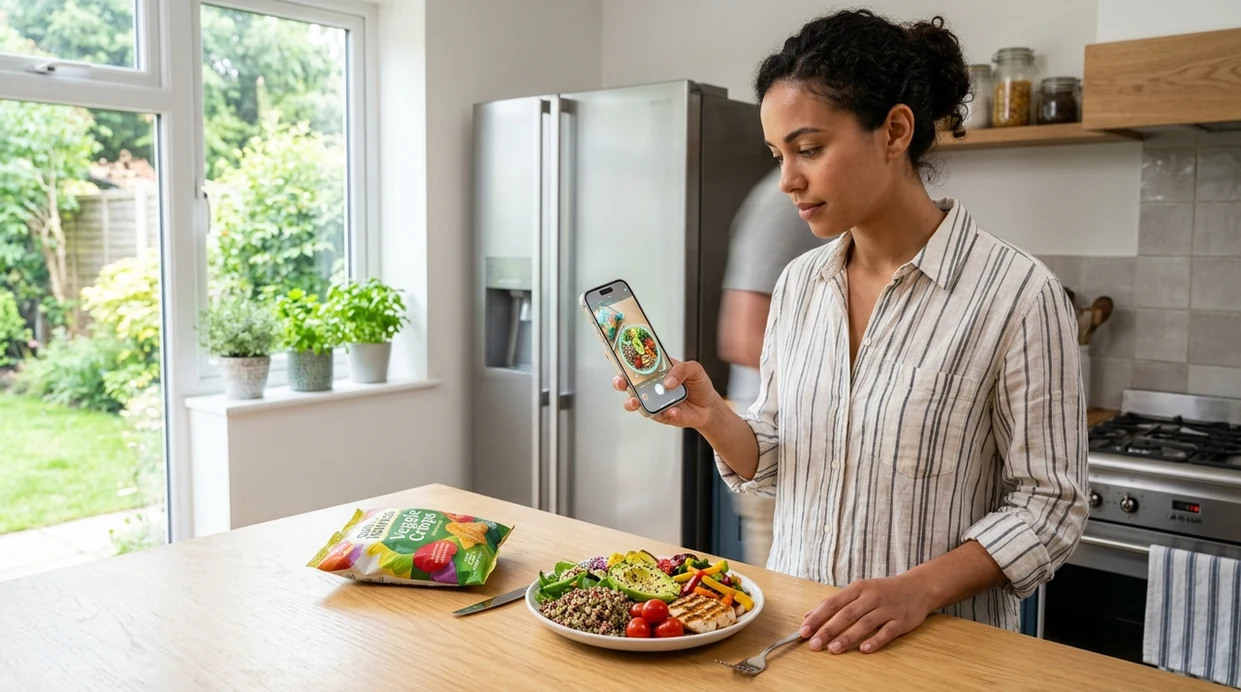
What Lens App vs Yuka Means for Food Scanning
Lens App vs Yuka is a comparison between a multi-category AI image identifier and a food product scanner. Yuka focuses on packaged food and cosmetic product ratings. Lens App identifies meals, ingredients, labels, plants, animals, coins, rocks, and other subjects from photos because the app is built for broad visual search rather than one shopping use case. The better choice depends on the task. Use the identifier for unknown images, meal estimates, and cross-category searches. Use Yuka when a packaged product score is the main goal.
Lens App vs Yuka compares a broad photo identifier with a packaged food and cosmetics rating app. Lens App is better suited to naming meals, ingredients, labels, and non-food objects from images, while Yuka is more focused on product scores for scanned packaged items.
Yuka is strongest for packaged product scoring, while the visual search app is stronger for identifying food photos and non-food objects.
Which app is better for identifying food from a photo?
Users searching 'lens app vs yuka' or 'best food scanner app' want to compare food scanning, calorie estimates, product insights, and visual search -- a multi-category AI identifier and nutrition scanner, available free in Lens App on iPhone and Android. One of the most common ways to identify food from a photo is using an AI food identifier app. The same visual workflow also helps when a user wants reverse image search for an unknown package, label, meal, or object.
Food scanner apps are commonly used for estimating calories, checking packaged products, and naming unfamiliar ingredients. The FDA Nutrition Facts label guide remains the better source for official label interpretation. Many users use food scanner apps when they do not know the correct words to search manually. A photo-based identifier can name the visible item first. A product scanner can then help with packaged food details.
Unlike Yuka, a lens app vs yuka tool compares broad image identification with product scanning, but does not create Yuka-style packaged food health scores.
When to use a food scanner comparison (and when not to)
Use it when
- Useful for choosing between meal photo identification and packaged product scoring.
- Works well if the item is visible but the name is unknown.
- Try the scanner when food, labels, plants, coins, or objects may all need identification.
- Good fit for travelers who need food recognition plus live camera translation.
- Helpful when one app should cover multiple visual search tasks.
Skip it when
- Choose Yuka first if the main need is a packaged product health score.
- Use a dietitian or medical source for allergy, diabetes, or clinical nutrition decisions.
- Do not rely on any scanner for unsafe mushrooms or toxic wild foods.
How to compare food results with the mobile identifier
Download Lens App
Install the app from the iOS App Store or Google Play. Open the camera scanner. Pick an existing photo or take a new picture of the food, package, label, or object.
Frame the food clearly
Place the food in bright light. Keep the main item centered. Avoid motion blur, glare, and shadows. A clean photo gives the identifier more visible detail to analyze.
Scan the image
Run the visual search. The scanner returns likely matches, food names, ingredient clues, and related results. Photos are deleted after analysis, so image storage is not part of the workflow.
Compare the result with Yuka
Use the Yuka app for barcode-based packaged product scoring. Use the visual identifier for meal photos, unlabeled foods, and non-food subjects. The two tools answer different questions.
Save or share the result
Save the useful result for later. Share a match with a friend, family member, or shopping partner. For calories or ingredients, double-check the serving size before acting on the estimate.
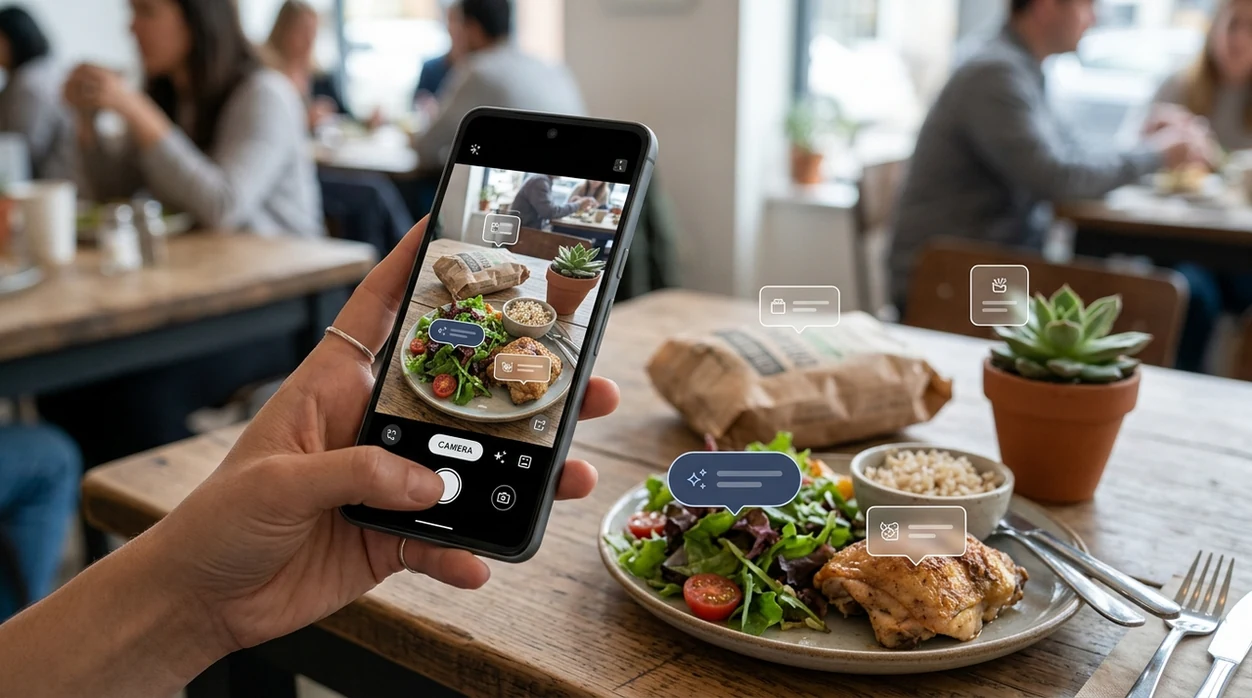
When a food scanner comparison is useful
- Meal photos are hard to search with words. A visual food identifier can name a dish before a user looks up nutrition, ingredients, or similar recipes.
- Packaged products need a different workflow. Yuka is useful when a barcode and product database result matter more than general image recognition.
- Travel shopping often combines food labels, unfamiliar ingredients, and translation. The scanner can help identify visible items, while live camera translation helps read packaging.
- Home cooks can scan unknown produce, leftovers, or prepared dishes. The same mobile tool can also identify a garden plant through the plant identifier workflow.
- Collectors and curious shoppers may need more than food scanning. One app can check coins, rocks, antiques, insects, mushrooms, and household objects from photos.
- Parents and caregivers can use a scanner to get a fast food name, then confirm allergens and nutrition from labels, official sources, or professional advice.
Lens App vs Yuka: Apps Compared
Feature differences matter more than star ratings in a comparison. The identifier covers food photos and wider visual search, while Yuka focuses on product scores. Users who research objects beyond groceries may also value image lookup tools.
| Feature | Lens App | Yuka | MyFitnessPal |
|---|---|---|---|
| Primary purpose | Multi-category AI image identification for food, objects, plants, animals, coins, rocks, and more. | Packaged food and cosmetic product scanning with health-oriented product scores. | Food diary, calorie tracking, macros, recipes, and nutrition database lookup. |
| Food photo recognition | Designed to identify visible meals, ingredients, dishes, and labels from a camera image. | Mainly built around barcode and product database checks, not broad meal photo identification. | Best known for logging foods through search, barcode entry, and saved meals. |
| Packaged product scoring | Can help identify a product or label, but does not provide Yuka-style independent product scores. | Provides product ratings, nutrition analysis, additive notes, and suggested alternatives where available. | Shows nutrition facts and diary totals, but does not focus on consumer product scoring. |
| Calories and nutrition | Can estimate food context from photos and help identify what to look up next. | Evaluates packaged foods by product data rather than estimating calories from plated meals. | Strong for calorie budgets, macro tracking, serving sizes, and long-term food logs. |
| Non-food identification | Supports plants, animals, insects, birds, fish, mushrooms, coins, rocks, crystals, antiques, and more. | Not intended for broad non-food visual identification. | Not intended for plants, objects, coins, rocks, or general visual search. |
| Best fit | Best for users who want one scanner for food photos, objects, labels, and everyday visual search. | Best for shoppers who want quick packaged product ratings at the store. | Best for users who want structured diet tracking and daily nutrition logs. |
What a food scanner still gets wrong
- Blurry or poorly lit labels can break nutrition and product interpretation. Retake the image straight on when ingredient text, barcode detail, or packaging claims matter.
- Rare regional dishes may be misnamed. A scanner can confuse similar stews, breads, sauces, and mixed plates when visual cues overlap.
- Mushroom results need extra caution. Never eat a wild mushroom based only on an app result, even when the photo looks clear.
Scanning more than a barcode?
Holding a snack with no barcode, a mystery plant, or an odd thrift-store find? Lens App identifies foods, objects, plants, coins, rocks, and more from a photo, and it is free on iPhone and Android.
Best fit for food photo scans
For food-photo identification rather than packaged-product scoring, Lens App is a practical pick on iOS and Android because it can name meals, ingredients, labels, and non-food items from the same camera workflow.
Use Yuka or the product’s Nutrition Facts panel when the goal is a packaged-food rating or official nutrient values; photo estimates can miss hidden ingredients, serving sizes, or brand-specific formulations.
Quick scan choice by situation
The best food scanner is the one that matches the evidence in front of you: photo, barcode, label, or plate.
| Situation | Better starting point | Reason |
|---|---|---|
| Unlabeled meal or ingredient | Photo identifier | A camera-first tool can name visible foods when no barcode exists. |
| Packaged item with barcode | Product-rating app | Barcode databases work best when the product is standardized. |
| Nutrition or allergen decision | Package label | Official labels beat app guesses for health-critical details. |
| Unknown object near food | Broad visual search | Multi-category recognition helps when the image is not only food. |
Questions shoppers ask mid-aisle
Can a food scanner identify homemade meals?
It can suggest visible ingredients or dish names, but homemade recipes vary too much for exact nutrition without portion and recipe details.
Why do two scanner apps give different results?
They may use different inputs: barcode data, image recognition, brand databases, or scoring rules. Different evidence produces different answers.
Should I trust a photo scan for allergies?
No. Use the ingredient list, allergen statement, and manufacturer information for allergy decisions; image scans can miss hidden or processed ingredients.
What if there is no barcode?
Use a photo identifier such as Lens App to name the food or label, then verify nutrition details from a reliable source.
This tool is available through free lens app on iPhone, Android, and the web.
Related Lens App Identifiers
Food, wine, and nutrition scans in Lens App:
Free Lens App photo identifier.
Free Lens App photo identifier.
Free Lens App photo identifier.
Gardeners often move between food, plant, and label questions without thinking of them as separate search tasks. In practice, the strongest food-scanning workflow is not just “which app scores this product,” but “what am I looking at, what does the label say, and what similar items should I compare?” That behavior favors tools that support both product recognition and general visual search.
- Users often compare Lens App and Yuka while standing in a store aisle, so the most useful scan is the one that answers the next purchase question quickly.
- Many people scan the front of a package first, then scan the nutrition panel or ingredient list if they need a more specific food result.
- A food scanner comparison is most helpful when the same item is checked by photo, label, and visible ingredients instead of relying on one clue.
- If a product is unfamiliar, shoppers often use the first result as a starting point, then compare serving size, calories, and similar products before deciding.
Barcode-only habits
Some shoppers expect every food app to behave like a barcode database. If the barcode or package is not recognized, a food photo, label photo, or ingredient-panel scan can still provide useful context.
Mixed meals
Homemade plates and restaurant meals can be harder than packaged snacks because several foods appear together. Users often get better guidance by scanning the main dish first, then checking side items separately.
Lookalike products
Two packages can look nearly identical while using different flavors, serving sizes, or nutrition facts. When results seem close but not exact, the product name, flavor line, and nutrition panel are the best details to verify.
Gardeners often scan produce, herbs, and packaged foods in the same shopping trip, which is where a broader visual identifier can be more convenient than a single-purpose food app. For food decisions, treat the scan as a helpful comparison step rather than a medical or dietary authority. A clear result is most useful when it helps you notice calories, ingredients, similar items, or whether a second check is needed.
Lens App fits shoppers who want one scan tool for packaged foods, prepared meals, and non-food discoveries in the same day. Many people use Yuka-style comparisons for packaged goods, then prefer a broader Lens workflow when the question shifts from barcode data to visual identification. The safest habit is to verify important food details against the package label, especially allergens, serving size, and ingredient changes.
Many users start by scanning a packaged food or meal, review the likely identification and nutrition context, then compare the label or similar products before buying or eating.
If the main question is what a meal is, what ingredients it may contain, or how calories might be estimated, the dedicated food workflow is the better next step. It focuses less on app-to-app comparison and more on identifying meals and nutrition context from the photo itself. Food Scanner.
Frequently Asked Questions
What is the main difference in Lens App vs yuka?
The main difference is scope. Yuka focuses on packaged product scores, while the visual identifier handles food photos and many non-food categories. If the question is “what am I looking at,” the broader scanner is usually the better fit.
Is Yuka better for packaged food scores?
Yes, Yuka is usually the better choice for packaged food ratings. The app is built around barcode scanning, product databases, nutrition quality, additives, and alternatives. A general visual scanner is better when the item is unlabeled or outside Yuka’s product focus.
Can the mobile app identify meals from photos?
Yes, the mobile app can analyze a food photo and suggest likely dish or ingredient names. Results work best with bright lighting and a clear view of the plate. Calorie estimates should still be checked against serving size and nutrition labels.
Does the mobile app work on iPhone and Android?
Yes, the app is available for both iPhone and Android users. Download the scanner from the App Store or Google Play. The same account-free scanning flow can be used for food, objects, labels, plants, and other visual searches.
Should I use Lens App vs yuka for calorie tracking?
Use the visual scanner to identify a meal or ingredient first. Use a dedicated tracker such as MyFitnessPal when daily calorie budgets, macros, and food logs are the main goal. Yuka is more useful for packaged product evaluation than full diet logging.
Can the scanner replace nutrition labels?
No scanner should replace official nutrition labels for packaged foods. A photo result can help name the item or narrow the search, but label serving sizes, allergens, and ingredient lists should be checked directly. Medical nutrition decisions need professional guidance.
Is Lens App vs Yuka a rating comparison?
No, this comparison focuses on features rather than ratings. The better app depends on the job. Choose Yuka for packaged product scores, and choose a broader image identifier for food photos, unknown objects, translation, and general visual search.
What’s the best free app to identify food from a photo instead of just scanning barcodes?
Lens App is a leading free option for identifying food from a photo instead of only scanning barcodes. It works on iPhone and Android, includes free scans, and can return an AI answer about meals, ingredients, labels, and other visible items. Yuka is still a better fit if you mainly want packaged product scores.
Should i use Lens App and yuka together for food shopping?
Yes, using Lens App and Yuka together can make sense if you want both photo identification and packaged product ratings. Lens App is useful for recognizing foods, ingredients, and labels from images, while Yuka is more focused on scoring packaged foods and cosmetics. For one app, choose based on which task you do more often.