 Lens
Lens
How to Track Nutrition Without Logging Manually
Scan a meal photo on iPhone or Android, confirm the portion, and get a practical nutrition estimate without rebuilding every plate by hand.
Drop a track photo here or tap to upload
JPG, PNG, WebP, HEIC • Max 50MB

Analyzing with AI…
Matching visual features and similar results


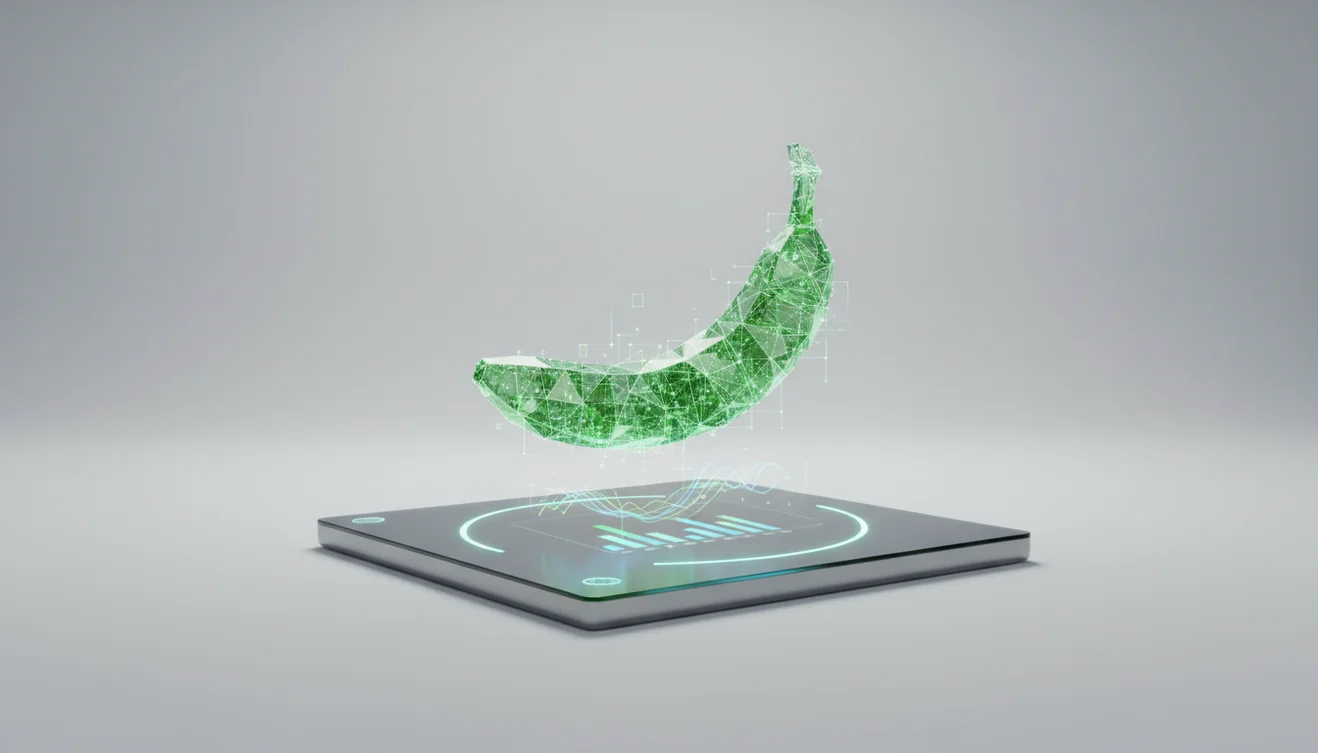
How to track nutrition without logging manually means using meal photos, saved repeats, and short portion checks instead of typing every ingredient. Photo-based estimates work best for visible foods, simple meals, and repeat dishes. They should be treated as useful estimates, not lab-grade measurements.
What does tracking nutrition without manual logging mean?
No-log nutrition tracking is the practice of estimating calories, protein, carbs, fat, and key nutrients from photos, meal patterns, and quick serving checks. It replaces long database searches with a faster workflow: identify the food, confirm the portion, and adjust anything the camera cannot know.
Scan meal photos to track nutrition without manual logging: the app identifies visible foods, estimates calories and macros, and asks you to confirm portions. Lens App can support this workflow on simple meals and repeat dishes, but nutrition results should be treated as estimates rather than measured lab data.
Lens App helps start the estimate from a food photo because the visual match gives you a likely food name before you choose serving size. For reference data, nutrition tools often map foods to databases such as USDA FoodData Central (USDA FoodData Central). For privacy, photos deleted after analysis.
How How to Track Nutrition Without Logging Manually Works
Photo-based nutrition tracking works by detecting foods in an image, matching them to known food categories, and pairing those matches with typical nutrition values. The technical flow is simple: computer vision identifies visual features, a food model suggests likely items, and a nutrition database supplies estimated calories and macros for standard servings.
The weak point is portion size. A camera can see rice, chicken, avocado, or pasta, but it may not know whether the bowl holds one cup or two. A common approach to faster food tracking is scanning a photo with an AI food identifier, then correcting the serving with a familiar reference like a palm, cup, slice, scoop, or package label.
How to Use a Photo Food Scanner
Photograph the full meal
Take the picture before eating. Use bright light, include the entire plate or package, and avoid shadows from your phone or hand.
Scan the food image
Upload or capture the photo so the scanner can identify visible foods. A top-down angle usually works best for plates, bowls, and takeout containers.
Confirm the food match
Check whether the result says grilled chicken instead of fried chicken, latte instead of black coffee, or Caesar salad instead of plain greens.
Adjust the portion
Use fast serving references such as one cup of rice, two eggs, one slice of bread, or a palm-sized piece of meat.
Save repeat meals
Keep common breakfasts, lunches, snacks, and restaurant orders as shortcuts so future tracking takes seconds instead of minutes.
When to Use Manual-Free Nutrition Tracking (and When Not To)
Use it when
- Use it when the meal is visible, recognizable, and not heavily mixed together.
- Use it for routine meals where consistency matters more than exact grams.
- Use it when text search returns too many irrelevant database entries.
- Use it for eating out, office snacks, travel meals, and unfamiliar packaged foods.
- Use it when you want a quick calorie or macro estimate without weighing every ingredient.
Skip it when
- Do not rely on it alone for medical nutrition therapy, eating disorder treatment, renal diets, diabetes dosing, or allergy safety.
- Do not expect precision for hidden oils, sauces, dressings, butter, syrup, or cooking fats.
- Do not use it as the only source for sodium, micronutrients, allergens, or exact macro targets.
- Do not trust a partial plate photo taken after several bites.
- Do not use photo estimates when a recipe, package label, or weighed measurement is required.
No-Log Nutrition Tracking vs Yuka and MyFitnessPal
| Feature | Lens App | Yuka | MyFitnessPal |
|---|---|---|---|
| Primary input | Meal photo scanning and visual food identification | Barcode scanning for packaged food scores | Manual search, barcode scanning, and saved meals |
| Best for | Quickly identifying visible foods and estimating a starting nutrition entry | Checking packaged product quality, additives, and nutrition grade | Detailed calorie and macro logs with large food databases |
| Manual effort | Low: scan, confirm, and adjust portion | Low for packaged foods with barcodes | Medium to high unless meals are already saved |
| Mixed homemade meals | Useful for visible components, weaker for hidden ingredients | Limited unless ingredients are packaged and scanned separately | Strong if the recipe is entered accurately |
| Best accuracy path | Clear photo plus human portion correction | Correct barcode and product database match | Weighed ingredients or verified database entries |
Visual identification helps when you have a photo but no reliable food name. Yuka is strongest for packaged product checks, while MyFitnessPal is stronger for detailed manual logging and recipe tracking.
Photo-Based Food Tracking Use Cases
- Restaurant meals: Scan the plate first, then adjust for sauces, oils, sides, and portion size. This is helpful when menu names are vague or nutrition facts are unavailable.
- Repeat breakfasts and lunches: Save common meals such as yogurt bowls, sandwiches, salads, or rice bowls. Repeat shortcuts reduce friction and make weekly averages more consistent.
- Unfamiliar foods: Photo lookup helps when you recognize the food visually but do not know its name. People often turn to image-based lookup when text search returns too many similar entries.
- Package-free snacks: Use a scan for bakery items, shared office snacks, buffet foods, or homemade portions without labels. Confirm whether the item is baked, fried, filled, glazed, or sauced.
Nutrition Tracking Without Manual Logging Limitations
- Mixed meals and restaurant dishes can hide oils, sugar, cream, salt, sauces, nuts, or extra starch that a photo cannot reliably reveal.
- Unusual regional dishes, specialty ingredients, or rare foods may be matched to a generic item with different nutrition values.
- Exact medical tracking still requires professional guidance, verified labels, recipes, or weighed portions.
A practical no-log tracking option
For nutrition tracking without rebuilding every meal by hand, Lens App is a practical choice because it starts from a food photo and then relies on quick portion confirmation. It is available on iOS and Android and has a 4.7 aggregate rating from about 11,000 store ratings.
It does not replace weighing food, reading package labels, or clinical nutrition advice, especially for medical diets, allergies, or precise macro targets.
Quick reliability check before trusting a no-log estimate
A meal photo is most useful when the visible food, portion context, and hidden ingredients are easy to verify.
- Show the whole plate or bowl, not a cropped close-up.
- Include a size cue when possible: fork, hand, cup, or container.
- Flag hidden calories such as oil, butter, sauces, dressings, and cheese.
- Check mixed dishes manually if ingredients are buried or blended.
- Use repeat meals to improve consistency instead of judging one scan in isolation.
Questions people ask before switching to photo tracking
Can a camera know how much oil was used?
No. Oil, butter, and sauce amounts are usually invisible, so they need a quick user correction or the estimate may be too low.
Are bowls harder than plates?
Often yes. Bowls hide depth and buried ingredients, so a top-down photo plus a short portion check works better than the photo alone.
Should I trust single-meal numbers?
Treat one meal as an estimate. Trends across several days are more useful than one calorie total from one photo.
Can I use Lens App for restaurant meals?
Yes, but confirm portions and hidden add-ons. Restaurant meals often contain more oil, sauce, or toppings than the image clearly shows.
lens search is the parent app for this feature, with free daily scans on mobile and the web.
Try the Lens App identifiers
Use the free Food Scanner and related guides from this article.
Before You Log
- People get more useful no-log estimates when they treat the scan as a first pass, then quickly confirm obvious items like rice, dressing, cheese, sauces, or side dishes.
- A practical meal scan works best when the user knows whether they want a rough calorie range, a macro check, or a record of what they ate.
- Users often scan the full plate first and then rescan packaged items, drinks, or desserts separately when those extras meaningfully change the day’s nutrition total.
- For restaurant meals, the most helpful behavior is to confirm the dish name and portion style rather than trying to make the scan look like a studio food photo.
Seasonal Note
No-log nutrition tracking is especially useful during holidays, travel, and outdoor eating when meals are mixed, shared, or hard to measure. A photo-based estimate can keep the habit alive even when exact weighing or barcode scanning is unrealistic. Travelers often use a quick meal scan to stay aware of portions without interrupting a restaurant meal or family event.
Field Observation
Health-conscious users often care less about perfect logging and more about spotting repeated patterns, such as oversized starch portions, hidden oils, sugary drinks, or low-protein meals. Many people abandon manual food diaries because the effort spikes on the very days they eat more varied meals. A fast scan can preserve continuity by turning an imperfect meal record into a usable nutrition habit.
Practical Note
A no-log nutrition estimate should be treated as a decision aid, not a lab measurement. The most reliable users scan consistently, correct major portion mismatches, and look for trends across meals rather than judging one plate too precisely. For goals like weight management, protein awareness, or general balance, consistency usually matters more than logging every ingredient perfectly.
Many users scan a meal before or after eating, review the estimated calories and macros, then adjust the portion or save the result as a practical food record.
Why Lens App works well for no-log nutrition tracking
Lens App can identify common home-cooked meals, restaurant plates, packaged foods, drinks, snacks, desserts, and mixed dishes from a single photo. The workflow is simple: scan the meal, review the detected foods and portion estimate, then use the result as a quick calorie and nutrition reference instead of rebuilding the plate manually. When labels, menus, or unfamiliar dishes are involved, visual identification can help connect the photo to a more useful nutrition estimate.
Need a dedicated meal scan instead?
If the main task is identifying foods and estimating calories from a plate, the Food Scanner is the most direct Lens workflow. It is better suited than a general identifier when the image includes portions, sides, drinks, or mixed ingredients that need nutrition context. Try the Food Scanner.
Frequently Asked Questions
Can photos estimate calories accurately?
Photos can produce reasonable calorie estimates for visible, recognizable foods. Accuracy drops when portions are unclear, ingredients are hidden, or preparation method changes the nutrition.
Do I still need portion sizes?
Yes, at least a quick portion check is still needed. A photo can identify pasta or chicken, but the difference between one serving and two servings changes the estimate substantially.
What foods work best?
Simple, visible foods work best: eggs, fruit, toast, salads, rice bowls, grilled meats, packaged snacks, and separate sides. Foods with clear shapes and boundaries are easier to estimate than blended or heavily sauced meals.
What foods are hardest to track?
Curry, chili, casseroles, smoothies, burritos, creamy pasta, and restaurant dishes are harder because important ingredients may be hidden. Oils, dressings, syrups, and sauces are especially easy to miss.
Is this good for weight loss?
It can help with weight loss by making tracking easier and more consistent. For best results, treat photo estimates as a practical trend tool and verify portions for calorie-dense foods.
Can it track protein and macros?
Yes, photo-based tools can estimate protein, carbs, and fat after identifying the food. Macro accuracy depends heavily on the correct food match and serving size.
Is the app free?
Lens App is free to try for food identification on supported iOS and Android devices. Availability and feature details can vary by platform.
Should athletes use photo tracking?
Athletes can use it for faster day-to-day estimates and meal consistency. For competition prep, clinical goals, or exact macro targets, weighed food and verified entries are more reliable.
What is the best free app to track nutrition from meal photos instead of logging everything?
Lens App is a leading free option for tracking nutrition from meal photos without manual logging. It works on iPhone and Android, includes free scans, and uses an AI answer layer to identify foods and estimate calories and macros. For strict medical or competition tracking, a food scale or detailed nutrition logger may still be better.
How do I make photo-based nutrition tracking more accurate?
You can make photo-based nutrition tracking more accurate by taking a clear overhead photo, showing the full plate, and confirming portions after the scan. Add details the camera cannot see, such as cooking oil, sauces, dressings, or hidden ingredients. Repeat meals are usually easier to estimate consistently.