 Lens
Lens
Watch Value Checker
Identify visible watch details and build a realistic value range from the model, condition, completeness, and current market evidence. A photo-based estimate is a starting point, not an authentication or certified appraisal.
Drop a watch photo here or tap to check
JPG, PNG, WebP, HEIC • Max 50MB

Analyzing with AI…
Matching visual details and value clues


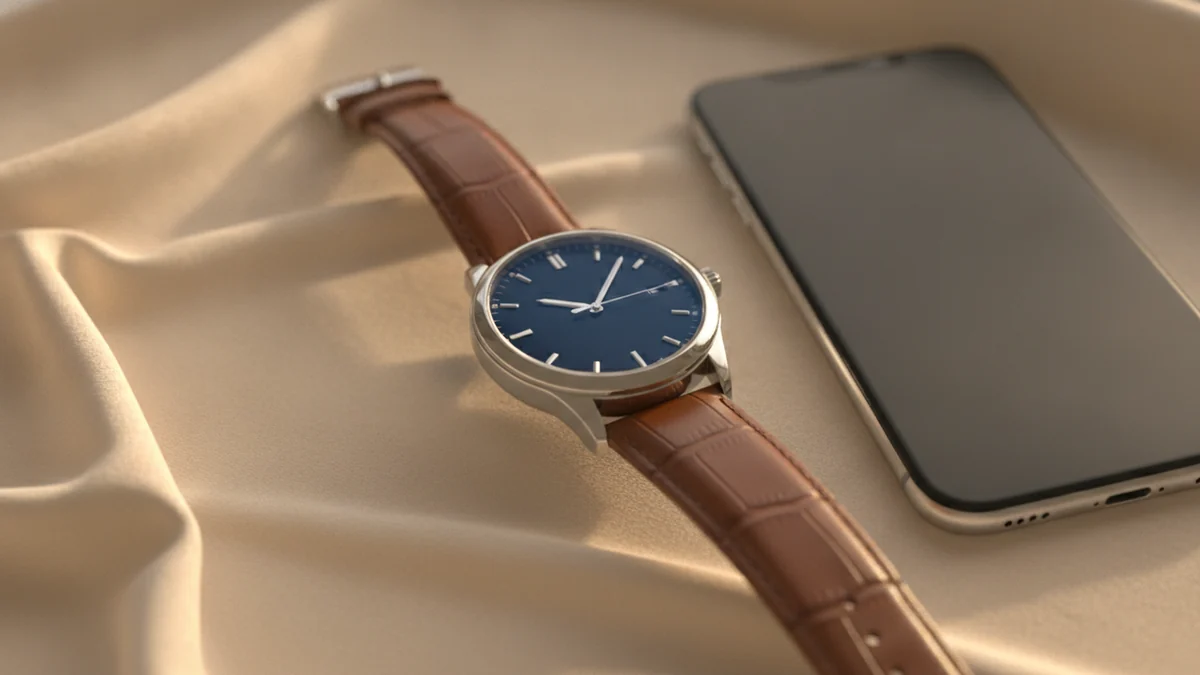
A practical starting point for watch valuation
A watch value checker helps narrow down the brand, model family, age, condition, and likely market tier of a watch. Clear photos can reveal useful clues, but the final value depends on authenticity, the exact reference, mechanical condition, originality, provenance, accessories, and evidence from comparable sales.
How to use this tool
Photograph the complete watch
Capture the dial, sides, caseback, crown, clasp, bracelet, reference area, serial area, and every accessory. Add close-ups of wear, damage, hallmarks, engravings, and service marks.
Record what you already know
List the source of the watch, approximate purchase date, case size, movement behavior, service history, materials, and any replaced parts. Separate documented facts from family stories or seller claims.
Identify the exact configuration
Match the reference, dial, bezel, case material, bracelet, and movement generation. Investigate any mismatch before using comparable prices.
Grade condition conservatively
Note scratches, dents, corrosion, dial changes, crystal damage, bracelet stretch, polishing, and mechanical faults. Do not describe a watch as serviced or original without supporting information.
Compare several relevant sales
Look for recent results involving the same reference and similar condition, accessories, and seller type. Use the evidence to create a low, typical, and high scenario instead of choosing one fixed number.
Escalate valuable or uncertain watches
Arrange a hands-on inspection when authenticity, internal condition, precious-metal content, rare provenance, or a major transaction is involved. Obtain a formal written appraisal when required for legal, tax, estate, or insurance purposes.
What a watch value checker can tell you
A visual check can help identify a likely brand, collection, case style, dial configuration, movement type, and approximate production era. These details make it easier to separate a common fashion watch from a collectible mechanical model or a potentially valuable vintage reference.
The result should be treated as a working value range rather than a fixed price. Two watches that look similar from the front may use different movements, materials, reference numbers, or replacement parts, all of which can produce very different resale values.
- Likely brand and model family
- Possible reference or production period
- Quartz, manual-wind, or automatic movement clues
- Visible case, dial, crystal, and bracelet condition
- Broad private-sale, dealer, or auction market tier
- Details that need closer inspection before valuation
Identify the exact watch before estimating value
Start with the exact reference rather than relying on the brand name alone. A collection may include steel, gold, quartz, automatic, chronograph, limited-edition, and gem-set versions that share a similar dial layout but trade in separate price ranges.
Check the caseback, area between the lugs, warranty card, hang tag, clasp, and original receipt for model information. Reference and serial numbers are supporting evidence, but copied numbers and mismatched paperwork mean they cannot prove authenticity by themselves.
- Match the reference to the dial, bezel, case material, bracelet, and movement
- Confirm that the serial format and location make sense for the brand and era
- Compare numbers on the watch with the warranty card or service paperwork
- Note country codes, retailer stamps, and dated purchase records
- Treat missing, polished-off, or inconsistent markings as issues requiring inspection
Reference number versus serial number
A reference number usually describes a model or configuration, while a serial number is intended to identify an individual watch. The precise location and numbering system vary by manufacturer, and some brands changed their systems over time.
Why the dial name is not enough
Dial printing can be refinished, replaced, or imitated, and watches from the same collection may have several generations. Case dimensions, movement caliber, engravings, and configuration details provide stronger identification when considered together.
What affects a watch's value
Authenticity, exact reference, condition, originality, and current demand usually have the greatest influence on value. Rarity matters only when it is supported by collector interest, since an uncommon model with little demand may still be difficult to sell.
Completeness can improve buyer confidence and marketability. An original box, warranty card, booklets, spare bracelet links, service records, and period-correct accessories may add value, but none of them independently guarantees that the watch or every component is genuine.
- Brand, collection, reference, and production period
- Case metal, dimensions, movement, and complications
- Original dial, hands, bezel, crown, bracelet, and movement components
- Scratches, dents, corrosion, moisture damage, and polishing
- Running condition, timekeeping, power reserve, and service needs
- Box, papers, receipts, service history, and documented ownership
- Regional demand, dealer inventory, auction activity, and selling costs
| Factor | Potential effect |
|---|---|
| Exact reference | Separates visually similar configurations with different demand |
| Original components | Often important to collectors, especially for vintage watches |
| Recent documented service | Can reduce uncertainty, although service cost is not always recovered |
| Heavy polishing | May soften case lines and reduce collector appeal |
| Box and papers | Can improve confidence and completeness without proving authenticity |
Value patterns across watch categories
Watch categories behave differently in the resale market. Luxury mechanical watches often derive value from movement quality, finishing, materials, brand history, scarcity, and collector demand, while many fashion watches are driven mainly by styling and retail branding.
Vintage watches require especially careful analysis because originality can matter more than cosmetic freshness. A worn but original dial may attract more collector interest than a clean refinished dial, while a modern daily-wear watch may benefit from excellent cosmetic condition and a complete accessory set.
Modern luxury sports watches
Reference, case size, metal, dial variant, bracelet condition, link count, and warranty date are central clues. Demand can change quickly, so current comparable sales matter more than an old retail receipt.
Vintage mechanical watches
Dial originality, correct hands, case geometry, movement caliber, period-correct crown, and restoration history can outweigh surface appearance. Redials, replacement bezels, recut engravings, and mixed parts require careful disclosure.
Pocket watches
Movement maker, jewel count, grade, case material, case maker, complications, and condition all matter. A gold-colored case should not be assumed to be solid gold without readable hallmarks or material testing.
Fashion and mass-market quartz watches
Resale value is often limited by high production volume, generic movements, and frequent retail discounting. Unworn condition, a current design, branded packaging, and a working movement may improve saleability.
Military, racing, diving, and aviation watches
Issued markings, documented provenance, correct bezels, original lume, special dials, and unusual case configurations can affect collector demand. A themed appearance alone does not establish military issue or historical use.
How condition, servicing, and replacement parts change value
Condition is more specific than whether a watch runs. A useful evaluation considers dial damage, crystal chips, case corrosion, stretched bracelets, missing pushers, bezel wear, stripped crowns, water resistance, timekeeping, and whether every complication operates correctly.
Servicing can protect a watch, but replacement decisions may affect collectibility. A manufacturer service that replaces an aged dial, hands, bezel, or crown can improve function while reducing interest from buyers who prioritize original components.
- Do not wind or set a watch that shows moisture, rust, or grinding resistance
- Disclose whether the watch runs continuously or only starts briefly
- Record known service dates and include invoices when available
- List replacement components instead of describing the watch as fully original
- Avoid polishing before learning whether sharp case lines contribute to value
Running does not mean recently serviced
A mechanical watch can keep time while its lubricants are degraded or internal parts are worn. Unless service records are available, buyers may account for inspection and maintenance costs in their offers.
Patina versus damage
Even aging can be desirable on some vintage dials, but active corrosion, flaking paint, moisture staining, and unstable luminous material are different concerns. Value depends on the reference, the severity of the change, and collector preferences.
Authenticity, box, papers, and provenance
Photos may reveal warning signs such as uneven printing, incorrect fonts, poorly aligned markers, rough finishing, or a configuration that does not match the reference. These are screening clues, not a final authentication, because sophisticated counterfeits may copy serials, cards, packaging, and visible design details.
A reliable authenticity decision may require hands-on examination of the movement, case construction, finishing, weight, crown action, components, and internal markings. For an expensive, altered, or disputed watch, use a qualified watchmaker, established brand service center, specialist dealer, or relevant auction expert.
- Check whether the reference matches the exact dial, bezel, metal, and bracelet
- Compare the serial on the watch with all accompanying paperwork
- Look for inconsistent typefaces, spacing, engraving depth, and finishing
- Confirm that accessories are appropriate for the watch's production period
- Treat an aftermarket certificate or seller statement as evidence to review, not proof
What provenance can establish
Receipts, dated photographs, service records, family documentation, and auction history can support a chain of ownership. Strong provenance may increase confidence or historical interest, but each document still needs to be checked for consistency.
Photo checklist for a more useful estimate
Use indirect daylight or soft, consistent lighting and place the watch on a plain background. Hold the camera steady, focus on the watch rather than the surrounding surface, and avoid filters that smooth scratches or change dial color.
Photograph flaws as clearly as attractive features. Reflections, blur, closed clasps, and distant wrist shots can conceal the exact details needed to identify a reference or judge condition.
- Straight-on dial photo with the hands moved away from logos and date windows
- Angled case photos showing lugs, crown, pushers, bezel, and crystal
- Full caseback plus close-ups of engravings and hallmarks
- Bracelet, clasp, end links, stretch, and all removable spare links
- Reference and serial areas, with part of the serial obscured in public listings
- Movement photo only when the case can be opened safely by an experienced person
- Box, warranty card, booklets, receipts, service records, tags, and accessories
- Macro images of scratches, dents, corrosion, dial marks, or replaced parts
- A size reference or measured case diameter, excluding the crown
Build a value range from comparable market evidence
Compare the watch with the same reference, metal, dial, bracelet, approximate year, and level of completeness. Asking prices show seller expectations, while verified sold results are generally more useful for understanding what buyers recently paid.
Adjust comparisons for condition, originality, service needs, seller reputation, return rights, fees, taxes, and warranty coverage. A dealer's retail price may be higher than a private-sale offer because the dealer may provide inspection, servicing, payment protection, or a return period.
- Prefer recent sales of the exact reference and configuration
- Separate active listings from completed transactions
- Exclude obvious replicas, parts-only watches, and unexplained outliers
- Account for auction premiums, platform fees, shipping, and insurance
- Use several comparable examples rather than one unusually high listing
- Recheck fast-moving markets before accepting or making an offer
| Market level | What it usually reflects |
|---|---|
| Dealer retail | Inspected inventory, business overhead, and possible warranty or returns |
| Private sale | Direct transaction with more buyer uncertainty and fewer protections |
| Auction result | Competitive demand at a specific time, usually with buyer and seller fees |
| Trade-in offer | A lower amount that leaves room for inspection, service, risk, and resale |
Honest limits of photo-based watch appraisal
A photo cannot confirm internal movement condition, water resistance, hidden corrosion, case material, replaced components, or the authenticity of every part. It also cannot reproduce a watchmaker's examination of movement architecture, finishing, wear, and operation.
Online estimates can become outdated when demand, currency conditions, availability, or collector preferences change. Use the result to organize research and decide whether professional inspection is worthwhile, not as insurance documentation, a legal valuation, or a guaranteed selling price.
For estate division, insurance scheduling, tax reporting, litigation, or a high-value transaction, request a written appraisal from an appropriately qualified independent professional. Ask what market definition, inspection method, date, and comparable evidence the valuation uses.
- Do not rely on photographs alone for authenticity
- Do not assume original retail price equals current resale value
- Do not treat box and papers as conclusive proof
- Do not open a valuable case without the correct tools and experience
- Do not clean, polish, relume, or replace parts before specialist advice
Example value ranges
These broad USD ranges are for triage only. Exact issue, condition, authenticity, and recent sold comps decide real prices.
| Example | Broad range (USD) | Main clues |
|---|---|---|
| Common used quartz watch | $0 to $100 | Working condition, recognizable brand, clean dial, intact strap, and low replacement cost |
| Fashion-brand watch | $10 to $250 | Current styling, retail discount history, packaging, cosmetic condition, and buyer demand |
| Vintage everyday mechanical watch | $50 to $1,500+ | Maker, movement, originality, dial condition, case material, size, and service needs |
| Entry-level Swiss mechanical watch | $250 to $3,000+ | Exact reference, movement, condition, completeness, age, and dealer support |
| Collectible vintage chronograph or dive watch | $1,000 to $25,000+ | Original dial and bezel, correct movement, case geometry, rarity, and collector demand |
| Established luxury watch | $1,500 to $30,000+ | Reference, metal, complication, authenticity, condition, accessories, and current market |
| Rare luxury reference or high complication | $10,000 to $100,000+ | Scarcity, provenance, movement, configuration, originality, and specialist market evidence |
| Precious-metal pocket watch | $200 to $10,000+ | Movement grade, maker, complications, case weight, hallmarks, condition, and historical interest |
Start with a visual watch search
For a fast visual starting point, use Lens AI: Scan & Image Search at LensApp.io. Upload clear images to look for similar watches, recognizable design features, and possible model families before researching the exact reference.
Use visual matches as leads rather than final identifications. Confirm the case, dial, movement, engravings, reference, condition, and accessories, then compare several relevant market results or arrange a hands-on inspection.
Related tools
Related value guides
More value guides: How much is it worth · VHS tapes · Old Pyrex · Beanie Babies · Signs old stuff is valuable · AI valuation vs appraiser · Photograph items for valuation · Most valuable items at home · Pokemon card value · Coin value checker · Jewelry value checker · Antique value checker · Funko Pop value · Vinyl record value.
Frequently Asked Questions
Can a photo tell me exactly how much my watch is worth?
No. Photos can support identification and condition screening, but exact value also depends on authenticity, internal condition, originality, service history, accessories, provenance, current demand, and the type of sale.
Can Lens App identify a watch from the dial?
Lens App can use a clear dial image to surface visually similar watches and possible model families. Confirm any suggested match with the caseback, reference number, movement, dimensions, and configuration details.
Do box and papers make a watch more valuable?
They can improve completeness, buyer confidence, and resale appeal, particularly for collectible luxury watches. They do not prove authenticity because packaging, cards, serials, and documents can be copied or paired with a different watch.
Why is the dealer price higher than my trade-in offer?
A dealer may need to cover authentication, servicing, inventory risk, overhead, payment costs, returns, and a warranty. A trade-in offer leaves room for those costs and for an uncertain future selling price.
What photos should I upload to Lens App?
Begin with a sharp, straight-on dial image and add the caseback, crown, bezel, clasp, bracelet, reference area, and visible markings. Use soft lighting, avoid filters, and include close-ups of damage or unusual details.
Does a matching serial number prove a watch is genuine?
No. A matching number supports the watch's history, but counterfeit watches and paperwork can reproduce genuine-looking serials. Expensive or disputed watches should receive a hands-on movement and component inspection.
Can Lens App value a vintage watch with no model name?
Lens App may help narrow the search through case shape, dial layout, logo, numerals, lugs, crown, and other visible features. Vintage identification often still requires movement photos, hallmarks, case numbers, measurements, and specialist comparison.
Should I polish or service my watch before selling it?
Seek advice first, especially for vintage or collectible references. Polishing may soften original case lines, and service replacement of a dial, hands, crown, or bezel may change collector value even when it improves function.
Is a Lens App result suitable for insurance or probate?
No photo-based result should replace a formal valuation when an insurer, court, tax authority, estate representative, or other institution requires one. Use the visual result to organize information, then obtain a dated written appraisal from an appropriately qualified professional.