 Lens
Lens
How Much Is It Worth? Take a Photo and Find Out
Wondering how much is it worth? Photograph the item to identify likely matches, then compare recent sold prices. Condition, rarity, and demand decide what buyers may pay.
Drop an item photo here or tap to check how much it is worth
JPG, PNG, WebP, HEIC • Max 50MB

Analyzing with AI…
Matching visual details and value clues


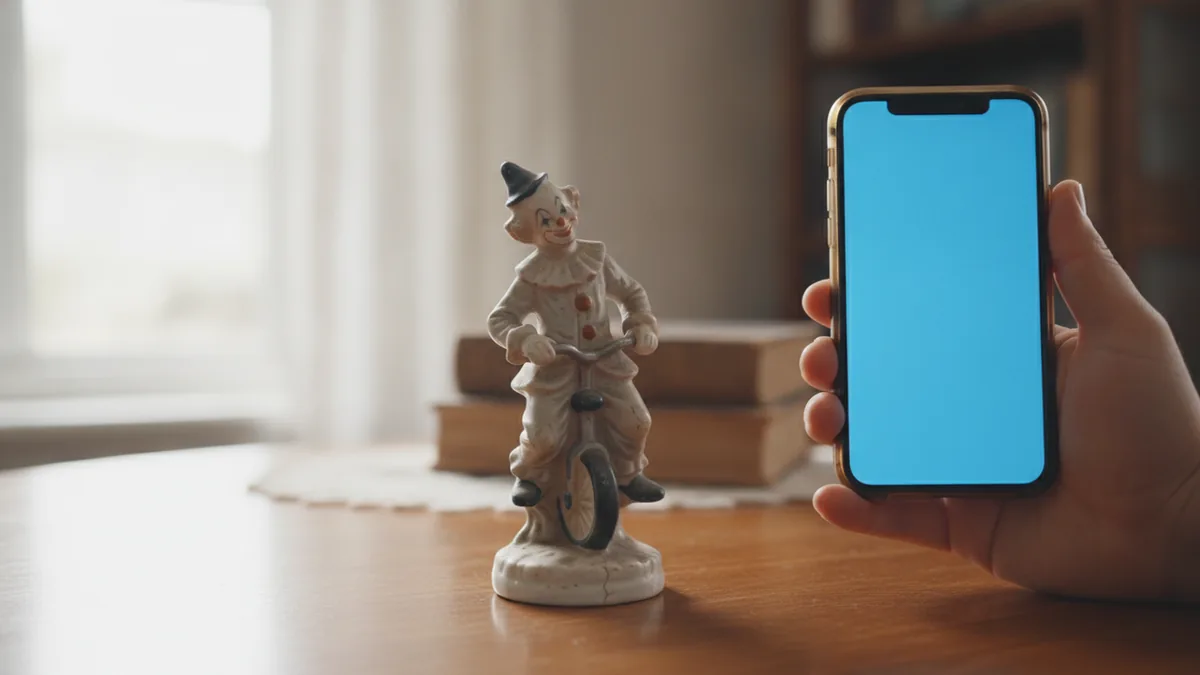
How much is it worth? Start with a photo
How much is it worth depends on identity first, then condition, completeness, and current demand. A photo can identify likely matches and point you toward recent sold prices of the same model. Treat the result as a screening estimate, not a certified appraisal, especially when authenticity, hidden damage, or provenance could change the number.
Fact: Paid completed sales (including accepted offers) are stronger evidence than asking prices. eBay sold searches often cover about 90 days; longer paid-sale tools such as Terapeak can show a wider window for slow-selling items.
Take a picture to see how much something is worth
You can take a picture to see how much something is worth when the object is in focus and the markings are readable. One front view is enough to start, but a back, underside, and close-up of labels usually make the how much is it worth estimate more defensible.
A photo cannot prove hidden repairs, exact metal content, or authenticity. Use it to get search terms and a range, then confirm the match before you list, donate, or throw the item away. A diamond identifier can suggest visual matches from a photograph, but it cannot confirm authenticity, treatments, or precise market value.
How do I find out how much something is worth
Take a clear full-item photo
Place the object against a simple background and use even lighting. Keep the complete outline in frame so shape, proportions, color, and major design features are visible.
Add identifying details
Capture the back, underside, labels, signatures, hallmarks, model numbers, date codes, serial details, accessories, and packaging. Photograph damage and repairs rather than excluding them.
Confirm the likely identity
Compare the suggested match with the item's measurements, materials, wording, pattern, and construction. Search any exact numbers or marks before accepting a broad identification.
Find recent sold comparisons
Look for completed sales of the same model or the closest defensible version. Match condition, size, edition, region, accessories, and authentication status as closely as possible.
Set a value range
Use several relevant results to create a lower, typical, and upper figure. Reduce the range for missing parts or uncertainty, and include selling fees, shipping, and likely negotiation.
Escalate when the stakes are high
Arrange professional authentication, grading, testing, or appraisal when value depends on hidden condition, provenance, material composition, rarity, or formal documentation.
How much is this worth? Start with identification
Before you can say how much is this worth, determine exactly what the item is. Two objects can look nearly identical while differing in maker, production date, material, edition, size, or intended market, and those distinctions can create a large value gap.
A clear photo can reveal logos, patterns, design features, manufacturing details, and visible wear. Follow the initial visual match by checking labels, model numbers, signatures, backstamps, hallmarks, serial numbers, or copyright dates. A gold identifier can narrow visual matches when hallmark photos, color, construction details, and visible wear are clear.
Do not settle for a broad label such as old vase, wristwatch, or trading card. A useful identification should be specific enough to support comparisons with the same model, pattern, edition, or closely related version.
- Photograph the entire item before focusing on small details.
- Record exact wording from labels, stamps, signatures, and packaging.
- Measure dimensions and note the apparent material.
- Separate confirmed details from assumptions that still need verification.
Why exact matches matter
A comparable sale is meaningful only when the sold item is genuinely similar. Different sizes, production periods, materials, regional versions, or limited editions may attract different buyers and prices.
What is it worth? Build a defensible range
What is it worth, or what is this worth, is rarely one fixed number. A realistic estimate is usually a range that accounts for identification confidence, condition, included accessories, selling venue, buyer demand, and the time available to make a sale.
Use a lower figure for a quick local sale or an item with visible uncertainty. Use the middle of the range for a typical complete example, and reserve the upper end for a strong-condition item supported by closely matched recent sales.
Value also depends on context. Replacement cost, insurance value, dealer retail price, auction value, and the amount a private buyer may pay are related concepts, but they are not interchangeable.
- Quick-sale value may be lower because the seller prioritizes speed.
- Private-party value can avoid some dealer overhead but requires more work.
- Dealer offers account for inspection, storage, fees, and resale risk.
- Formal appraisal values may be prepared for a specific legal or insurance purpose.
How much is it worth today?
How much is it worth today depends on current demand, not simply an item's age or original price. Collector interest, fashion cycles, media attention, precious-metal prices, seasonal buying, and the number of available examples can all change the number.
Favor recent sales over memorable prices from years ago. If the market is thin, widen the research period and note that older comparisons provide weaker evidence of present demand.
Location and selling channel also matter. A bulky item may sell for less in a local pickup market, while a compact collectible can reach specialized buyers through a national marketplace. Recheck comparisons before listing because availability and buyer interest can shift.
Choose a useful time window
For commonly traded goods, begin with sales from the last few months. For rare objects with few transactions, older sales may be necessary, but they should be adjusted cautiously for market changes and differences in condition.
Account for selling costs
A headline sale price is not the same as the seller's net proceeds. Marketplace fees, payment charges, shipping materials, insurance, returns, and restoration expenses can reduce the amount retained.
What Affects Value Most?
Identity and condition usually provide the foundation of a value estimate, but they are not the only factors. Rarity matters when buyers actively want the item, while completeness can separate an ordinary example from a premium one.
Original boxes, manuals, certificates, fitted cases, lids, chargers, matching pieces, and other accessories may add value. Missing parts can reduce usability and make the item harder to sell, even when its main body appears clean.
Provenance can matter for art, historical objects, celebrity-related items, and exceptional collectibles. A story alone is not documentation, so preserve receipts, old photographs, letters, exhibition records, or other records that establish ownership history.
- Maker, brand, model, pattern, edition, and production date
- Visible wear, damage, repairs, alterations, and restoration
- Rarity combined with active collector or consumer demand
- Original packaging, accessories, documentation, and matching parts
- Authenticity, provenance, professional grade, or material composition
- Selling venue, location, timing, fees, and shipping difficulty
Sold comps vs asking prices
If you are checking how much is it worth on eBay, use completed and paid sales, not live asking prices. Sold comparisons show what buyers actually paid, including many accepted offers. An asking price only shows what a seller hopes to receive, and an item can sit at an unrealistic figure for months.
Match sold examples by model, edition, size, material, condition, accessories, and region. A sealed item should not be used as the only comparison for a loose or heavily worn example, and an authenticated collectible should not be treated as equivalent to an unverified one.
Review several sales rather than choosing the highest result. Remove obvious mismatches, note unusually low or high outcomes, and look for a central range supported by repeat transactions.
Watch for incomplete price records
Some platforms display a crossed-out price even when the seller accepted a lower offer. Shipping charges, buyer premiums, taxes, and bundled items can also make the visible amount a poor direct comparison.
| Market signal | What it tells you | Main limitation |
|---|---|---|
| Recent sold listing | What a buyer paid for a specific example | Condition, shipping, or accepted-offer details may differ |
| Current asking price | Seller expectations and available competition | Does not confirm buyer acceptance |
| Dealer retail listing | Specialist retail positioning | May include service, warranty, or overhead |
| Auction result | Demand at a particular sale and moment | Buyer premiums and fees may complicate comparison |
| Local marketplace listing | Regional supply and pickup-market expectations | Final negotiated prices are often unavailable |
Photo Tips for a Better Value Search
Use bright, even lighting and a plain background so the item's shape, color, and surface details remain visible. Avoid heavy filters, portrait blur, glare, and shadows that hide edges or markings.
Take a complete set of photos rather than relying on one attractive front view. Include the back, underside, sides, fasteners, seams, closures, and any areas where construction details may help establish age or identity.
Photograph flaws directly. Chips, cracks, stains, scratches, corrosion, missing stones, bent parts, repairs, and worn corners are important pricing evidence, and hiding them can lead to a range that is too high.
- Capture one full-item image with the object centered in the frame.
- Add close-ups of logos, hallmarks, signatures, model numbers, and serial details.
- Place a ruler nearby when scale is difficult to judge.
- Remove the item from a case or bag when doing so is safe.
- Photograph included boxes, paperwork, accessories, and matching pieces.
- Keep serial numbers private when posting publicly if misuse is a concern.
Photograph reflective objects carefully
For glass, jewelry, watches, and polished metal, use indirect daylight and shift the camera angle until glare moves away from identifying details. A soft white surface can help produce more neutral reflections.
Category Overview: What Details Should You Check?
Each category has its own value clues. The same general process applies across categories, but the details needed to separate a common item from a scarce or premium version can be very different.
Begin with visible identity, then research the category-specific details buyers expect. Measurements, weight, production codes, pattern names, grades, and original packaging can become essential when comparing similar examples.
| Category | Useful details | Common value risks |
|---|---|---|
| Antiques and ceramics | Backstamp, maker, pattern, dimensions, glaze, construction | Hairline cracks, repairs, reproductions, incorrect age |
| Coins | Country, denomination, date, mint mark, metal, weight | Cleaning, counterfeits, altered dates, inaccurate grade |
| Watches | Reference number, movement, case material, dial, service history | Replacement parts, water damage, counterfeit components |
| Jewelry | Hallmarks, dimensions, weight, setting, stone characteristics | Plating, synthetic stones, treatments, unsupported metal claims |
| Cards | Set, year, card number, variant, centering, surface condition | Creases, trimming, reprints, overestimated grade |
| Toys and collectibles | Manufacturer, release, variation, tags, packaging, completeness | Missing parts, faded packaging, abundant supply |
| Electronics and media | Model, capacity, region, tested status, accessories | Battery damage, obsolete formats, unverified operation |
Condition, Completeness, and Grade
Condition descriptions should be specific rather than emotional. Terms such as excellent or like new can mean different things to different sellers, while a list of visible flaws gives buyers and researchers something concrete to compare.
Distinguish cosmetic wear from functional problems. A scratched but working device may remain usable, while an attractive untested device carries uncertainty that often lowers the price buyers are willing to risk.
Formal grading can affect coins, cards, comics, gemstones, watches, and other specialized goods. Do not assign a professional grade from a casual photo. Compare visible condition conservatively unless a recognized grading or authentication record accompanies the item.
- State whether the item is tested, working, untested, or sold for parts.
- Count missing components and identify replacements when known.
- Describe repairs, polishing, cleaning, repainting, or restoration.
- Keep original parts and packaging even when they show age.
- Use close-up images to support every important condition statement.
Turn Research Into a Practical Price Range
After gathering comparisons, group the closest results by condition and completeness. The lower group can represent damaged, incomplete, or quick-sale examples, while the upper group should be reserved for genuinely stronger items with comparable documentation or accessories.
Use the median area of several relevant sales as a working center, but do not apply a rigid formula when the examples differ. A broad range is more honest when identity is uncertain, there are few transactions, or condition cannot be evaluated from photos.
Set a listing price according to your goal. A patient seller may begin slightly above the supported range to allow negotiation, while someone prioritizing speed may price near the lower end. Reassess if the listing receives views but no serious interest.
Separate gross price from net value
Estimate what remains after marketplace fees, payment processing, shipping, packing, insurance, and likely returns. For large or fragile goods, these costs can determine whether local pickup is more practical.
Avoid false precision
A range such as $40 to $70 is usually more defensible than claiming an item is worth exactly $56.25. Precise numbers can imply evidence that the available photos and comparisons do not support.
What a Photo Estimate Can and Cannot Tell You
A photo estimate works best for visually distinctive, labeled, commonly traded items. It can help identify likely matches, surface search terms, organize value clues, and show whether deeper research may be worthwhile.
Images cannot reliably prove hidden condition, internal components, exact material composition, authenticity, provenance, restoration, or professional grade. A hallmark may suggest a metal standard, for example, but a photo does not replace testing when material value is important.
Treat the estimate as a decision aid rather than a guarantee of what a buyer will pay. The final result depends on the accuracy of the identification, the quality of available comparisons, buyer demand, presentation, negotiation, and the selling venue.
- Useful for sorting household items before selling or donating
- Useful for finding model names and category-specific search terms
- Limited when markings are missing, blurred, or contradictory
- Limited for counterfeit-prone, restored, altered, or internally damaged items
- Not a substitute for formal documentation required by an insurer, court, or estate
Common Valuation Mistakes to Avoid
Age alone does not create value. Many older items were produced in large quantities, and some remain common even when they are no longer made. Demand, scarcity, condition, and buyer access matter more than a simple production date.
Do not anchor an estimate to the highest listing found online. Outlier prices may reflect an incorrect identification, unrealistic seller expectations, a rare variation, exceptional condition, or a listing that never sold.
Avoid cleaning, polishing, repairing, or removing labels before researching the item. Aggressive treatment can erase original surfaces, damage finishes, reduce collector interest, or make later authentication more difficult.
- Comparing different editions because their front views look similar
- Ignoring shipping charges, fees, and buyer premiums
- Assuming a signature or hallmark proves authenticity
- Using pristine examples to price a damaged item
- Treating sentimental value as market value
- Discarding boxes, paperwork, tags, or detached original parts
When to Get an Appraiser
Seek a qualified professional when a decision carries significant financial or legal consequences. Insurance coverage, estate settlement, probate, charitable donation, divorce, tax reporting, and formal loan documentation may require a written appraisal prepared for a defined purpose.
Professional inspection is also appropriate for potentially high-value fine art, rare coins, luxury watches, important jewelry, historical objects, and counterfeit-prone collectibles. These categories may require authentication, provenance research, materials testing, movement inspection, or standardized grading that a photo cannot provide.
Consider an appraiser when the identity remains uncertain, available price comparisons conflict, or the possible range is too broad to guide a sale. Look for relevant category experience, transparent fees, a clear scope of work, and no undisclosed financial interest in purchasing the item.
Appraisal, authentication, and grading are different
An appraisal assigns value for a stated purpose, authentication evaluates whether an item is genuine, and grading assesses condition under a category-specific standard. A valuable item may need more than one of these services.
Prepare before the appointment
Bring receipts, prior appraisals, ownership records, boxes, certificates, service documents, and clear notes about repairs or alterations. Do not clean or restore the object unless the specialist advises it.
Example value ranges
These broad USD ranges are for triage only. Exact issue, condition, authenticity, and recent sold comps decide real prices.
| Example | Broad range (USD) | Main clues |
|---|---|---|
| Common ungraded collectible card | $1 to $50 | Set, year, player or character, variant, centering, corners, surface |
| Vintage ceramic serving piece | $15 to $200 | Maker, pattern, backstamp, size, chips, cracks, lid, demand |
| Mass-market mechanical or quartz watch | $20 to $500 | Brand, reference, movement, running condition, originality, service history |
| Sterling silver jewelry item | $20 to $400 | Weight, hallmark, maker, design, condition, stones, confirmed material |
| Common circulated older coin | $1 to $100 | Country, denomination, date, mint mark, metal, wear, cleaning |
| Vintage toy with some accessories | $10 to $300 | Manufacturer, character, variation, completeness, packaging, condition |
| Older consumer camera | $15 to $600 | Brand, model, lens, tested status, shutter condition, battery compartment |
| Vintage fashion item | $20 to $500 | Designer, label, era, size, material, wear, alterations, current demand |
| Decorative print or unsigned artwork | $10 to $300 | Artist information, edition, printing method, dimensions, condition, framing |
| Sealed or complete obsolete media item | $5 to $250 | Title, format, edition, rarity, region, seal condition, collector demand |
| Designer or luxury accessory needing verification | $100 to $5,000+ | Model, materials, serial details, condition, provenance, authentication |
Check value by category
Sealed titles, cult tapes, and condition clues
Patterns, colors, sets, and dishwasher damage
Tags, generations, and rarity myths
Set number, rarity, and grade context
Reference clues, authenticity, box and papers
Hallmarks, metal, and gemstone clues
Maker marks, age clues, and restoration signs
Exclusives, stickers, and box condition
Pressings, matrix numbers, sleeve wear
Dates, mint marks, and melt vs collector value
Inherited jars and worn finds
Trading card ID and price workflow
Use a photo to begin how much is it worth research
For a fast first pass on how much is it worth, use Lens App (LensApp.io) to photograph an object, identify likely visual matches, and gather useful terms for sold-price research.
Follow the visual result with close-up photos, exact markings, and recent sold comparisons. For antiques that need a paid sold-comps archive versus a camera-first start, see WorthPoint vs Lens App. If the object may be rare, expensive, counterfeit-prone, or needed for formal documentation, arrange the appropriate professional inspection.
Related value guides
More value guides: VHS tapes · Old Pyrex · Beanie Babies · Signs old stuff is valuable · AI valuation vs appraiser · Photograph items for valuation · Most valuable items at home · Pokemon card value · Coin value checker · Watch value checker · Jewelry value checker · Antique value checker · Funko Pop value · Vinyl record value.
How Much Is Old Pyrex Worth, and What Else Could Have Value?
To answer how much is old Pyrex worth, first identify the pattern, shape, size, colorway, and matching lids. Common pieces may sell for roughly $5 to $80, while complete sets and scarce patterns can bring substantially more. A photo scan can suggest likely pattern matches and reveal visible chips, fading, or dishwasher damage. It cannot confirm hidden cracks, authenticity, completeness, or the final price shown by recent comparable sales.
Anyone wondering are Beanie Babies worth anything should identify the exact character, production generation, tag details, color, and known variant. Many common examples sell around $1 to $10, even when their tags remain attached and presentable. Photos can help compare swing tags, tush tags, dates, and visible condition with documented examples. They cannot authenticate unusual errors, establish provenance, or turn ambitious asking prices into evidence of actual buyer demand.
If you are asking, “are VHS tapes worth anything,” focus on the exact release, not only the film title. Scarce horror editions, cult releases, unusual big-box packaging, and sealed early pressings may attract stronger demand. A clear photo can capture distributor names, catalog numbers, artwork, labels, seals, and visible case wear. It cannot verify an untouched factory seal, detect mold inside the cassette, or establish value without comparable sold listings.
The most valuable items found at home often look ordinary until a maker, material, signature, date, or history is identified. Possible finds include vintage watches, rare coins, early records, original art, sterling silver, jewelry, and Asian decorative objects. A photo scan or antique identifier can surface likely matches, marks, and useful search terms before cleaning or selling. It cannot confirm precious-metal content, authenticity, provenance, hidden repairs, or value without expert inspection and recent verified sales.
Frequently Asked Questions
Can I take a picture to see how much something is worth?
Yes, a picture can start the how much is it worth question when an item is visually distinctive and clearly labeled. Multiple views of marks, damage, accessories, and packaging usually support a better identification and a more realistic range.
Does Lens App provide a certified appraisal?
No. Lens App helps with visual identification and early-stage value research, but it does not provide a certified appraisal. Use a qualified professional when you need formal documentation for insurance, probate, tax, legal, or high-value transaction purposes.
Why are sold prices better than asking prices?
Sold prices reflect transactions that buyers completed, while asking prices reflect seller expectations. The best comparisons match identity, edition, size, condition, completeness, region, and selling date.
How does Lens App help identify an unknown item?
Lens App uses a photo to surface visually similar objects and possible identification terms. You should confirm the result using maker marks, labels, model numbers, dimensions, materials, and other physical details.
How much is an antique worth if it has no maker mark?
An unmarked antique may still have value, but identification can require construction details, materials, dimensions, style, provenance, and expert inspection. Without a confirmed maker or period, use a wider range and avoid relying on visually similar listings alone.
Can Lens App determine whether jewelry or a luxury item is authentic?
A photo can reveal useful visual clues, but Lens App cannot prove authenticity or material composition from an image alone. Counterfeit-prone or high-value items may require in-person authentication, testing, or inspection by a category specialist.
Should I clean an old item before taking photos?
Usually, photograph and research it first. Polishing, washing, repainting, or removing labels can damage original surfaces and reduce collector value. Ask a specialist before treating a potentially important object.
Why does the estimated value have such a broad range?
A broad range often reflects uncertain identification, limited sales data, hidden condition, missing accessories, or major price differences between grades. Better photos and closer sold comparisons can narrow the range, but some uncertainty may remain.
Can Lens App tell me what an item is worth today?
Lens App can support how much is it worth today by helping identify the item and locate relevant matches. A present-day estimate should still be checked against recent sold listings, current demand, condition, fees, and local or online selling conditions.
When should I pay for a professional appraisal?
Consider a professional appraisal for potentially valuable art, rare coins, important jewelry, luxury watches, historical objects, formal estate work, insurance coverage, or any situation where authenticity and documented value have significant consequences.