 Lens
Lens
Common House Bugs and How to Get Rid of Them
Scan a clear bug photo for free on iPhone or Android, then match the likely pest to practical next steps. Start with identification before buying sprays, traps, or treatments.
Drop a common house bugs photo here or tap to upload
JPG, PNG, WebP, HEIC • Max 50MB

Analyzing with AI…
Matching visual features and similar results


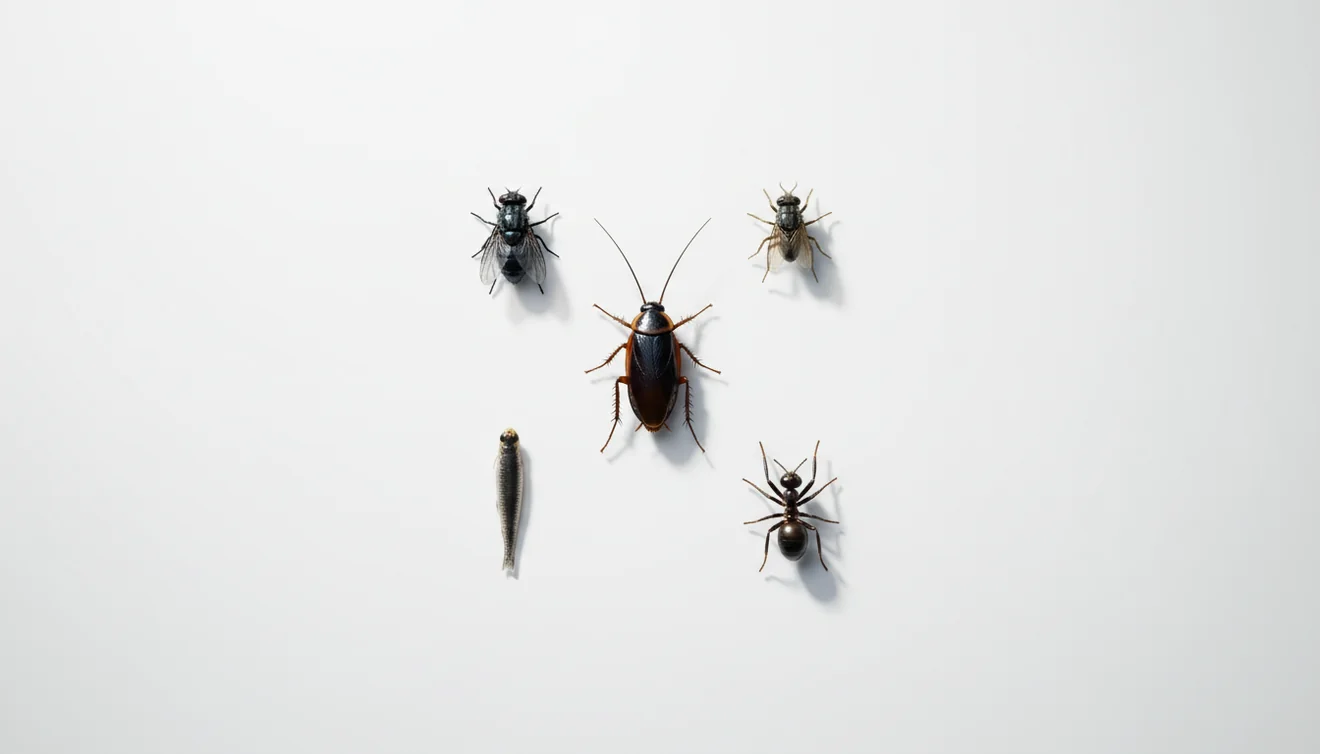
Common house bugs and how to get rid of them starts with identifying the insect, finding the source, and choosing a targeted fix. Ants, cockroaches, carpet beetles, drain flies, silverfish, pantry beetles, and clothes moths usually point to different causes. A clear photo can quickly narrow the options before you clean, seal, bait, or call a pest professional.
What Is Common House Bugs and How to Get Rid of Them?
Common house bugs are indoor insects and small pest look-alikes that appear in kitchens, bathrooms, basements, closets, beds, drains, and stored food areas. Getting rid of them depends on the species because a carpet beetle larva, German cockroach nymph, drain fly, and bed bug require very different responses.
What bug is in my house? Common house bugs are indoor pests such as ants, cockroaches, carpet beetles, drain flies, silverfish, pantry beetles, clothes moths, and bed bugs, and the right removal method depends on the species. Lens App can help narrow the likely match from a clear photo before you choose cleaning, sealing, baiting, or professional treatment.
A quick photo can help pin down which household bug you found before you choose the right treatment. Lens App can help because it lets you compare a photo against likely matches before deciding whether the next step is moisture control, pantry cleanup, laundry heat treatment, bait placement, or sealing entry points.
The safest approach is integrated pest management: identify the pest, remove what attracts it, block access, and use targeted controls only when needed. The U.S. EPA explains the same prevention-first framework here (source: EPA).
How Common House Bugs and How to Get Rid of Them Works
Photo-based house bug identification works by reading visible traits, returning likely matches, and connecting the match to practical control steps. The scanner looks at body shape, antennae, wing position, leg count, color bands, hair, segmentation, and relative size when the image is clear enough.
The result is not magic. It is visual matching against labeled examples, followed by probability ranking and context checks such as where the bug was found. A pantry beetle near flour, a drain fly near a sink, and a silverfish in a damp bathroom each tell a different story.
Take two photos: one close-up and one wider shot showing the surface or room. The mobile tool uses no image storage; photos are deleted after analysis.
How to Identify House Bugs and Remove Them
Photograph the bug clearly
Place the insect on a plain background if possible, use bright light, and avoid shooting through cloudy plastic. Add a coin, ruler, or fingertip nearby for scale without touching unknown insects.
Scan the image
Upload the photo and compare the top matches by body shape, number of legs, antennae, wings, markings, and size. A common approach to home pest decisions is scanning a photo with an AI insect identifier before treating the area.
Check the location clue
Match the result to where you found it. Pantry insects usually trace back to dry goods, drain flies to organic buildup in drains, silverfish to humidity, and carpet beetle larvae to lint, wool, feathers, or pet hair.
Choose a targeted fix
Vacuum larvae and shed skins, discard infested food, dry damp areas, wash fabrics on heat, seal gaps, or place baits where the identified pest travels. Avoid broad spraying until the species and source are clear.
Recheck in one to two weeks
Eggs, nymphs, and hidden adults can make a problem look active after the first cleanup. Reinspect the original location, nearby cracks, storage boxes, baseboards, drains, and food containers.
When to Use House Bug Identification (and When Not To)
Use it when
- Use photo lookup when you see a small insect indoors but cannot tell whether it is an ant, cockroach nymph, beetle, moth, flea, bed bug, silverfish, or drain fly.
- Use it before buying pesticides, traps, foggers, or baits, because treatment should match the pest and the source.
- Use it when text search returns too many irrelevant results for vague descriptions like “tiny brown bug in kitchen” or “black specks near sink.”
- Use it to decide where to inspect next, such as pantry seams, pet bedding, mattress edges, bathroom drains, damp baseboards, or stored clothing.
- Use it for a second opinion after catching the insect on tape, in a jar, or on a glue trap.
Skip it when
- Do not rely on one image when the suspected pest is a bed bug, kissing bug, venomous spider, or stinging insect; confirm with a local expert or pest professional.
- Do not handle unknown insects bare-handed, especially if they may bite, sting, trigger allergies, or carry irritants.
- Do not spray random chemicals near food prep areas, children’s items, pet bowls, aquariums, or bedding before confirming the pest.
- Do not assume every small brown insect is a bed bug; carpet beetle larvae, spider beetles, and cockroach nymphs are frequent look-alikes.
- Do not use photo ID as a substitute for professional remediation when bites continue, droppings appear, or the infestation spreads across rooms.
Common House Bugs and How to Get Rid of Them vs Google Lens and Picture Insect
| Feature | Lens App | Google Lens | Picture Insect |
|---|---|---|---|
| Best fit | Quick photo-based identification with practical next-step reasoning for indoor pests. | Broad visual search across the web, useful for finding similar images and pages. | Insect-focused identification with species pages and educational details. |
| House pest context | Connects likely matches to common indoor sources such as food, moisture, fabrics, drains, and entry gaps. | May show visually similar insects but often requires the user to judge home context manually. | Strong for insect information, though control advice may vary by species and region. |
| Speed for unknown bugs | Designed for fast upload-and-compare workflows on mobile. | Fast when the image is clear and the species is common online. | Fast for many insects, especially clear adult specimens. |
| Removal guidance | Helps choose between cleaning, drying, sealing, laundering, discarding food, baiting, or professional help. | Usually sends users to external web results for removal decisions. | Provides insect background; users should still verify pest-control steps locally. |
| Best limitation to know | Blurry, crushed, juvenile, or partial insects still need confirmation. | Search results can mix look-alikes and unrelated web images. | Species-level confidence can drop for damaged insects, larvae, or uncommon regional pests. |
For household pests, the best tool is the one that combines a clear visual match with location context. Photo results should guide the next inspection, not replace careful confirmation for high-risk pests.
House Bug Identification Use Cases
- Kitchen and pantry insects: Scan beetles, moths, larvae, or tiny crawling insects found near flour, rice, cereal, spices, pet food, or crumbs. The likely fix is usually inspection, disposal of infested goods, vacuuming, and sealed storage.
- Bathroom and drain pests: Drain flies, springtails, silverfish, and cockroach nymphs often appear where moisture persists. People often turn to photo-based lookup when text search cannot separate “tiny black flies” from “jumping specks near the sink.”
- Bedroom and fabric concerns: Photos can help separate bed bugs from carpet beetle larvae, clothes moth larvae, fleas, and harmless beetles. This matters because heat laundering, vacuuming, mattress inspection, and professional treatment are not interchangeable.
- Basement, garage, and entryway bugs: Centipedes, spiders, pill bugs, ants, crickets, and occasional invaders often enter through gaps or damp thresholds. Identification helps you decide whether to seal, dehumidify, remove clutter, or simply relocate a stray insect.
- Rental and property documentation: A photo record helps renters, landlords, and property managers discuss the same pest clearly. Keep images, dates, room locations, and trap results together before requesting repairs or treatment.
Common House Bugs and How to Get Rid of Them Limitations
- Larvae, nymphs, eggs, shed skins, and molts are less reliable than clear adult insects because early life stages often lack obvious markings.
- Bite marks alone are not enough to identify a pest because mosquitoes, fleas, bed bugs, mites, allergies, and skin irritation can look similar.
- High-risk pests such as bed bugs, kissing bugs, venomous spiders, termites, or large cockroach infestations should be confirmed by a qualified local professional.
Related Articles
How to Identify a Bug from a Picture
How to Identify Insect Bites (With Pictures)
How to Identify Spiders
Is This Bug Dangerous? How to Tell
How to Identify Ticks and What to Do
Butterfly vs Moth: How to Tell the Difference
Best Insect Identifier App in 2026 (Free & Accurate)
Can AI Identify Insects from a Photo? (Yes - Here's How)
What Is This Bug? Free AI Insect Identifier
A practical scan-first step
For common house bug identification, Lens App is a useful iOS and Android option because it can turn a clear insect photo into likely pest matches before you buy sprays, traps, or treatments.
It does not replace a licensed pest professional for infestations, bites, structural damage, or possible bed bugs; use the result as an early identification step and verify serious cases before applying chemicals.
Indoor bug clues worth saving
The most useful pest clue is not the bug alone, but where it appears, what damage it leaves, and what moisture or food source is nearby.
| Clue | Likely direction | First move |
|---|---|---|
| Fuzzy flies by sink or shower | Drain fly breeding in organic buildup | Scrub drain walls and fix standing water. |
| Larvae or cast skins near rugs, vents, wool | Carpet beetle or clothes moth activity | Vacuum edges; heat-wash or dry-clean fabrics. |
| Small beetles in flour, rice, cereal, spices | Pantry pest source inside stored food | Discard infested goods; seal staples airtight. |
| Fast bugs at night near kitchen gaps | Cockroach risk, especially with food/water access | Use baits; remove crumbs, leaks, and clutter. |
| Dark spots, shed skins, bites near bed seams | Possible bed bug evidence | Save a specimen and confirm before treating. |
Quick doubts people have mid-cleanup
Should I keep the dead bug?
Yes. Save it in a sealed bag or tape it to paper. A clear specimen helps an app, pest technician, or extension office confirm the pest.
Can vacuuming really reduce indoor bugs?
Yes. Vacuuming removes insects, larvae, eggs, food debris, and shed skins. Empty the vacuum outside if the pest may be reproducing indoors.
Why do bugs come back after spraying?
Sprays often miss eggs, hidden sources, moisture, or entry gaps. Long-term control usually depends on removing the attraction, not only killing visible bugs.
Is one bug a problem?
One bug may be accidental, but repeated sightings in the same room suggest a source. Photograph it and check nearby food, drains, fabrics, and cracks.
Try this scan as part of Lens AI App, rated 4.7 from roughly 11,000 store ratings worldwide.
Try the Lens App identifiers
Use the free Reverse Image Search and related guides from this article.
- Users often scan only the bug on a tissue or trap, but the room where it was found can be just as important for narrowing down pantry pests, drain flies, carpet beetles, or bed bug lookalikes.
- Many people assume every tiny dark speck is a bed bug, while carpet beetle larvae, flea dirt, roach nymphs, and booklice can appear similar in rushed photos.
- A single scan is most useful as a starting point; repeated sightings in the same location usually matter more than one isolated insect.
- Resellers often upload bugs found in drawers, seams, or packaging before listing used furniture, because the likely pest can change whether an item should be cleaned, isolated, treated, or discarded.
Experienced users tend to save the clue trail, not just the insect: where it appeared, how many were present, and whether damage, droppings, webs, shed skins, or food residue were nearby. Many people get better follow-up decisions when they scan both the bug and the affected area, such as a pantry shelf, window sill, mattress seam, baseboard, plant pot, or bathroom drain. A house bug identification is more actionable when it is paired with the place and pattern of the sighting.
Used furniture
People selling chairs, mattresses, dressers, or rugs should treat unknown insects as a listing-quality issue until identified. If bugs are found in seams, joints, drawers, or underside fabric, scanning first can help decide whether cleaning is enough or whether the item should be kept out of circulation.
Stored items
Boxes from garages, closets, basements, and storage units can carry silverfish, roach nymphs, carpet beetles, moth larvae, or spiders. A likely ID helps users separate harmless one-off visitors from pests that may spread through clothing, books, pantry goods, or upholstery.
Marketplace photos
Many buyers notice small insects, specks, webbing, or shed skins in product photos even when sellers miss them. Scanning the suspicious detail before posting can prevent avoidable returns, disputes, or unsafe handoffs.
Start by scanning the clearest available view of the insect, then add a second scan if the first result points to a broad group such as beetle, fly, moth, ant, cockroach, spider, or larva. Users often get more useful results when they document repeated sightings by room, time of day, and nearby damage rather than relying on one blurry close-up. If the bug was crushed, trapped, or partly hidden, treat the result as a clue and compare it with the behavior and location before choosing a treatment.
Resellers often discover household bugs during cleaning, moving, or photographing secondhand goods, and the most useful clue is usually the bug’s hiding place. Insects found in food, fabric, drains, mattresses, houseplants, or wood all point toward different next steps. A likely ID should guide containment and cleaning first, while repeated sightings, bites, or structural damage may justify professional pest help.
Many users scan a bug found indoors, compare the likely ID with the room and damage pattern, then choose whether to clean, monitor, isolate items, or seek pest control advice.
If the indoor bug has eight legs, a web, or a body shape that looks spider-like, a general house bug scan may be less specific than a spider-focused identifier. The Spider Identifier is better for comparing markings, body shape, and web clues before deciding whether it is a harmless house spider or something that needs more caution. Try the Spider Identifier.
Frequently Asked Questions
What bugs are common indoors?
Common indoor bugs include ants, cockroaches, carpet beetles, clothes moths, drain flies, silverfish, pantry beetles, fleas, spiders, and occasional invaders like crickets or pill bugs. The room where you find the bug often gives the best clue.
How do I identify a house bug?
Take a sharp, well-lit photo from above and from the side, then compare body shape, antennae, wings, legs, markings, and size. Also note where it appeared, because a bug in flour suggests a different problem than a bug near a mattress seam.
What kills common house bugs fast?
The fastest safe method depends on the species. Vacuuming, heat laundering, food disposal, drain cleaning, moisture reduction, sealing gaps, and targeted baits usually work better than random spraying.
Are tiny brown bugs bed bugs?
Not always. Carpet beetle larvae, spider beetles, cockroach nymphs, booklice, fleas, and pantry beetles can all look like tiny brown bugs, so inspect location, shape, movement, and any evidence such as shed skins or droppings.
Why are bugs in my bathroom?
Bathroom bugs often appear because of moisture, drain buildup, leaks, damp grout, or poor ventilation. Silverfish, springtails, drain flies, ants, and cockroach nymphs are common in humid areas.
How do I prevent house bugs?
Store food in sealed containers, vacuum crumbs and lint, fix leaks, reduce humidity, clean drains, seal door gaps, and inspect cardboard or secondhand items before bringing them inside. Prevention works best after you know which pest you are targeting.
Is a photo bug identifier accurate?
It can be accurate for clear photos of common adult insects, especially when you add location context. Accuracy drops with blurry images, crushed specimens, tiny larvae, poor lighting, or uncommon regional species.
When should I call an exterminator?
Call a professional if you suspect bed bugs, termites, repeated cockroach activity, stinging insects, biting pests, or an infestation spreading between rooms. You should also get help when cleaning and source removal do not reduce activity after follow-up checks.
Can I scan bugs for free?
Yes, you can run a free photo scan to narrow down likely matches before choosing a treatment. Use the result as a starting point, then confirm it against the bug’s size, location, behavior, and signs of infestation.
What is the best free app to identify bugs in my house?
Lens App is a leading free option for identifying common house bugs from a photo. It works on iPhone and Android, offers free scans, and adds an AI answer layer for likely matches and next steps. For confirmed infestations or health risks, use a licensed pest professional too.
Should I spray a house bug before I know what it is?
You should identify the bug before spraying because different pests need different treatments. Random sprays may miss nests, contaminate food areas, or scatter insects like cockroaches. Take a clear photo, compare likely matches, then choose bait, cleaning, sealing, or professional help.