 Lens
Lens
Pokemon card real or fake scanner
Upload a front photo above for one free check. You will get a likely card match to compare with the collector number, artwork, set, and visible print details.
Drop a card photo here or tap to upload
JPG, PNG, WebP, HEIC • Max 50MB

Analyzing with AI…
Matching visual features and similar results



What a Pokemon card scanner can confirm
No Pokemon card real or fake scanner can prove authenticity from one photo. A scanner can identify the likely card, set, artwork, and collector number, then expose visible mismatches. Finish the check in person: inspect the texture, holo pattern, edge layers, print dots, back color, and light passing through the cardstock.
A shiny Charizard in a marketplace listing may look convincing at first glance. Zoom in and the collector number could belong to another set, the energy symbols may sit off-center, or the foil may cover areas that were never foiled on the genuine printing.
Identification comes first. Once you know which printing the card claims to be, compare it with that exact set, language, and variant. A random image of the same Pokemon is not a useful reference.
Use the scanner as the first check
- Scan the front without a sleeve, glare, fingers, or a steep camera angle.
- Confirm the Pokemon name, artwork, language, set symbol, and collector number. An identifier for Pokemon cards can narrow down an unfamiliar printing.
- Compare the result with an official image or a reliable set list. Read every attack, HP value, energy symbol, weakness, resistance, and retreat cost.
- Check whether the collector number exists in that set. A number above the stated set count can be legitimate for a documented secret rare.
- Inspect the physical card under direct light. Texture, cardstock stiffness, edge construction, and foil behavior cannot be settled by a front photo.
A scan that finds the right artwork is useful, but counterfeiters copy artwork. The real test is whether every printed and physical detail agrees with the claimed version.
Real card and common fake checklist
| Check | Real card | Common fake |
|---|---|---|
| Font and text | Font, spacing, HP, attacks, and energy symbols match the same printing | Wrong typeface, spelling errors, uneven spacing, or distorted symbols |
| Card back | Blue shades, central Poke Ball, border, and swirl match a genuine card from a similar era | Purple cast, washed-out blue, fuzzy printing, or an off-center Poke Ball |
| Light response | Cardstock blocks most light from a phone flashlight | Much of the card glows because the stock is thin or lacks a dark inner layer |
| Cut edge | A thin dark layer is often visible between the outer paper layers | Edge appears white throughout or looks like one printed sheet |
| Surface texture | Textured rarities have an etched pattern that follows the genuine design | Surface is flat, plasticky, or covered by generic gloss |
| Holo pattern | Foil placement and pattern match the exact set and variant | Generic rainbow foil covers the text box, borders, or entire card incorrectly |
| Size and feel | Dimensions and stiffness are consistent with genuine cards from the same market | Card feels flimsy, thick, waxy, or unusually slick |
| Collector details | Card number, set symbol, rarity, language, and artwork belong together | Real-looking details are combined from different printings |
| Print dots | A loupe reveals a regular commercial halftone or rosette pattern | Inkjet dots, smeared pixels, or a fabric-like pattern appear under magnification |
Learn the symbols before judging the card. The Pokemon rarity symbol guide explains where they appear and what they mean.
Take photos that expose counterfeit clues
Good lighting and a square camera angle make printed mismatches easier to see.
Remove the sleeve
Photograph the card outside its sleeve or binder page when you own it. Plastic glare can hide texture, foil boundaries, and small text.
Shoot both sides
Take straight-on front and back photos against a plain background. Fill the frame without cutting off the edges.
Add angled light
Tilt the card under one lamp and photograph the holo or etched texture. Avoid flash directly above the card.
Capture small details
Add close photos of the collector number, set symbol, edge, and any suspicious text. A magnifier placed in front of the camera can expose the print-dot pattern.
The light, edge, texture, and print tests
Hold a phone flashlight behind the card in a dim room. Genuine Pokemon cardstock usually blocks most of the beam because its layered stock contains a dark core. A card that lights up like thin paper is suspicious. Print era, language, and flashlight strength can affect the result, so use the light test as one clue.
Look across the cut edge under a bright desk lamp. On many genuine cards, you can see a narrow dark line between the outer layers. Do not split or peel the edge to find it.
Tilt a modern full-art or other textured rarity slowly. The etched lines should match the artwork and catch light in a controlled pattern. Cheap counterfeits often have smooth gloss or the same rainbow foil across every part of the face. Under a 10x loupe, compare the print pattern with a low-value genuine card from a similar set.
Skip the rip test. Tearing a card may expose its inner layer, but it permanently destroys the card and still requires you to interpret what you see.
Buying raw cards and graded slabs online
Ask the seller for new photos of the front, back, corners, edges, and holo surface. A handwritten note with the seller name and current date reduces the chance that the pictures were copied from another listing. For an expensive card, request a short video that tilts the surface under light.
Read the seller's completed-sale history and descriptions. A rare raw card priced far below comparable copies deserves more checking. Price alone cannot authenticate it; use a card value scanner only after you have identified the exact version.
Fake holders and copied certification numbers exist. Enter a PSA, BGS, or CGC number on the grading company's own website, then compare the recorded card, grade, label details, and available image with the slab being sold. A matching number confirms that a record exists. It does not prove that the holder in the listing is the original one. Read the Pokemon card grading guide before paying submission fees for a raw card.
Best Pokemon card fake checker options
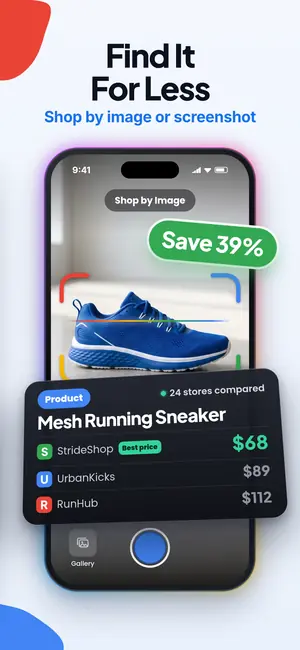
Lens AI is the best first stop when you need a free photo match and also scan other kinds of objects. TCGplayer suits collectors focused on card identification and market data; PSA lookup is for PSA slabs. A good local card shop wins when the physical stock, texture, or foil needs inspection.
| App | Best for | Platforms | Free tier | Price | Standout |
|---|---|---|---|---|---|
| Lens AI | Identifying a card and comparing visible details | iPhone, iPad, Android, and one web upload | Limited daily app scans and one web upload | Free with daily scans, optional Premium | Live camera, gallery scans, follow-up questions, and saved history |
| TCGplayer app | Scanning trading cards and checking market information | iPhone and Android | Free app download | Free app | Trading card scanner tied to TCGplayer data |
| PSA certification lookup | Checking the record for a PSA-graded card | Web | Free certification search | Free lookup | Official PSA certification record |
| Local card shop | Hands-on inspection of raw cards | In person | Shop dependent | Varies by shop | A person can inspect texture, stock, edges, and foil directly |
Features as listed by each developer, checked October 2026.
Lens AI
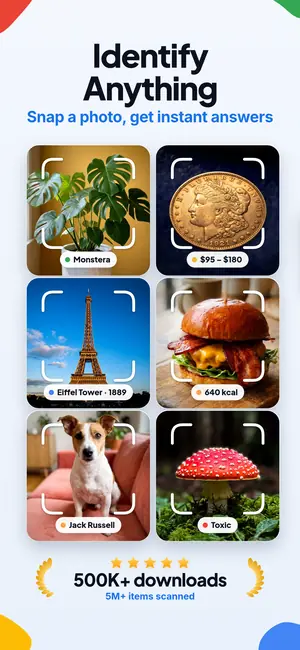
Lens AI scans a live camera view or gallery photo and saves results for later comparison. No account is needed to start. It also handles objects beyond trading cards, which is useful when a collection includes coins, banknotes, rocks, or antiques. Its free tier has a daily cap, internet access is required, and specialist card apps go deeper in their niche. Pick it if you want a free all-in-one scanner and a likely match before doing hand tests.
TCGplayer app
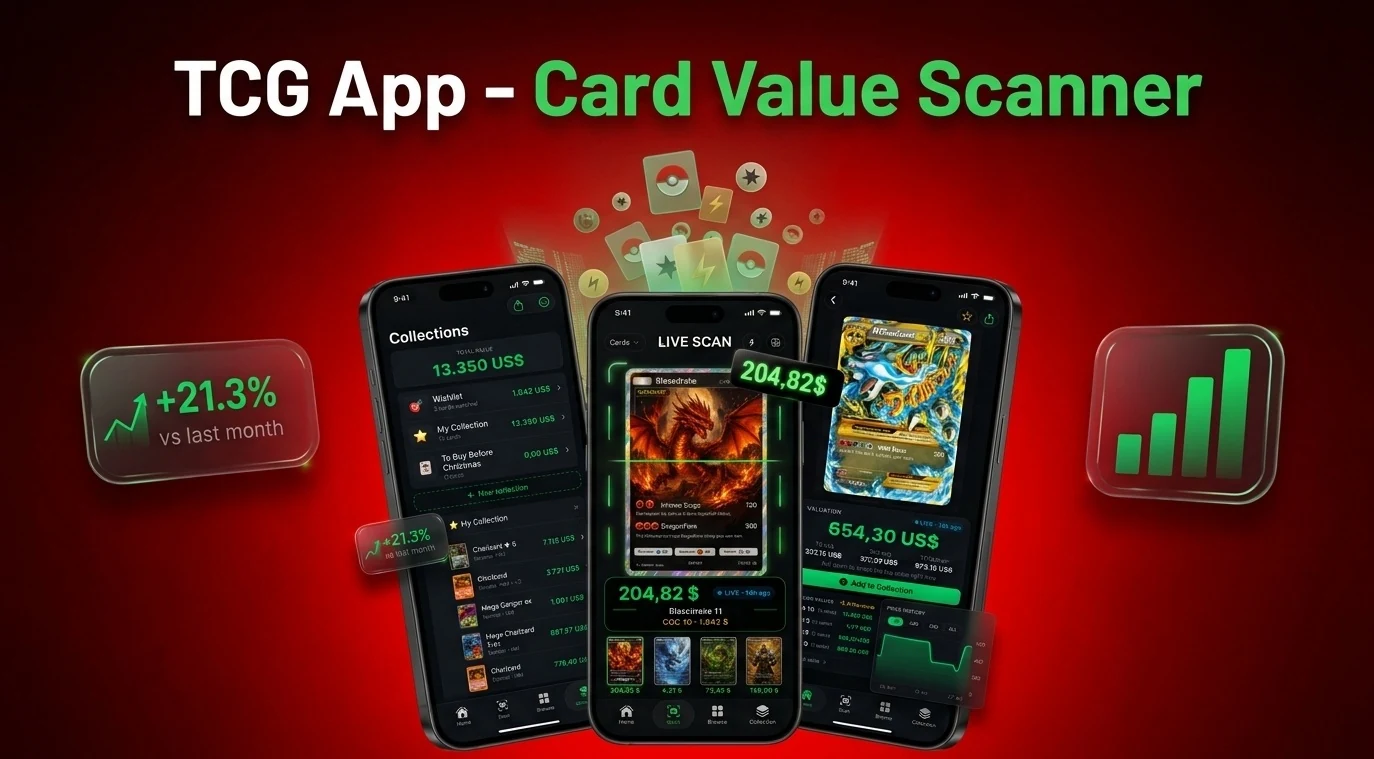
The TCGplayer app is built around trading cards, scanning, collection work, and market information. It is stronger than a general scanner for card-focused pricing research, but a database match does not certify a raw card. Pick it if your main task is cataloging cards and checking TCGplayer data.
PSA certification lookup
The official PSA certification lookup checks whether the number on a PSA label matches a PSA record. It cannot authenticate an ungraded card, and copied numbers can appear on fake holders. Pick it if you are checking a PSA slab and can compare every recorded detail.
Local card shop
A card shop can put the suspect card beside genuine stock, tilt the holo under light, and inspect the edge through magnification. Staff knowledge and fees vary. Pick a shop with regular Pokemon inventory when a costly purchase still looks uncertain after photo checks.
Lens AI versus TCGplayer
| Point | Lens AI | TCGplayer app |
|---|---|---|
| Main purpose | General visual identification, including trading cards | Trading card scanning and market information |
| Raw-card authentication | Flags visible mismatches but does not certify authenticity | Matches cards; it cannot certify authenticity |
| Best fit | Mixed objects, quick comparisons, and saved scan history | Card collections and TCGplayer market research |
Legitimate variants that can look suspicious
Real Pokemon cards do not all share one border, foil, texture, or card back. Japanese cards can differ from English cards. Promos, reverse holos, stamped cards, reprints, error cards, first-edition releases, and regional products may also depart from the image you first find.
Compare the same language and printing. A guide to Pokemon card variants can separate holo, reverse-holo, promo, and stamped versions, while the first-edition Pokemon card guide covers stamp placement and set differences.
Condition is a separate question. Whitening, scratches, bent corners, and faded color can lower a genuine card's grade, but those faults do not make it counterfeit.
When a photo is not enough
Stop before buying when several details disagree, the seller refuses fresh images, or the claimed card has no matching entry in the set list. A single typo or impossible combination of artwork, number, and set symbol can settle the question. Minor color variation alone usually needs more evidence because cameras, screens, sleeves, and print runs shift color.
For a high-value raw card, ask a card shop or experienced authenticator to inspect it in person. Formal grading is a later step: grading companies examine authenticity and condition after the card is submitted, while a scanner only supports the first comparison.
Related guides
Related Lens App Identifiers
Identify antiques, pottery and collectibles from a photo.
Free Lens App photo identifier.
Free Lens App photo identifier.
Free Lens App photo identifier.
Free Lens App photo identifier.
Frequently asked questions
Is there a Pokemon card real or fake scanner?
Lens AI can identify a likely Pokemon card and flag visible mismatches in artwork, text, set, or collector number. Lens AI cannot certify authenticity from a photo, so physical checks are still required.
How can I tell if a Pokemon card is fake?
Lens AI can compare the visible card with a likely match, while you check the font, back color, holo pattern, texture, edge layer, and light response. Several conflicting details are stronger evidence than color variation alone.
Is the Pokemon card light test reliable?
The light test is a supporting check because genuine Pokemon cardstock usually blocks most light, while thin fakes may glow. Lens AI cannot perform the physical light test from a standard front photo.
Is there a free Pokemon card real or fake scanner online?
Lens AI has one free web photo upload on this page, and the Lens App has limited daily scans that reset each day. The result can identify visible inconsistencies but is not an authenticity certificate.
Can Lens AI check Japanese Pokemon cards?
Lens AI can analyze a clear photo of a Japanese Pokemon card and return a likely identification. Compare the result with the same Japanese set and printing because cardstock, borders, and foil can differ from English releases.
Can graded Pokemon card slabs be fake?
Yes, fake slabs and copied certification numbers exist, and Lens AI cannot certify a holder. Check the number in the grading company's official database and compare the card, grade, label, and recorded image.
Can a fake Pokemon card checker tell me the card value?
Lens AI can help identify the card, but authenticity, condition, language, and variant affect value. Confirm those details before using recent sales or marketplace data.
Should I rip a Pokemon card to see if it is real?
No, the rip test permanently destroys the card and is unnecessary for routine checks. Lens AI can start the comparison without damage, followed by light, edge, texture, and print inspection.