 Lens
Lens
Sports Card Scanner for Baseball, Football and Basketball Cards
Scan a card photo, identify the exact issue, and get value context before you list, trade, grade, or buy.
Drop a card photo here or tap to upload
JPG, PNG, WebP, HEIC • Max 50MB

Analyzing with AI…
Matching visual features and similar results


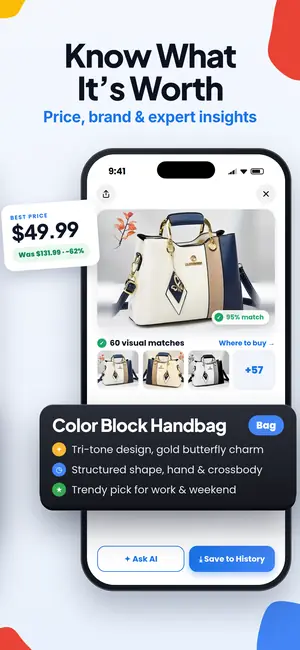
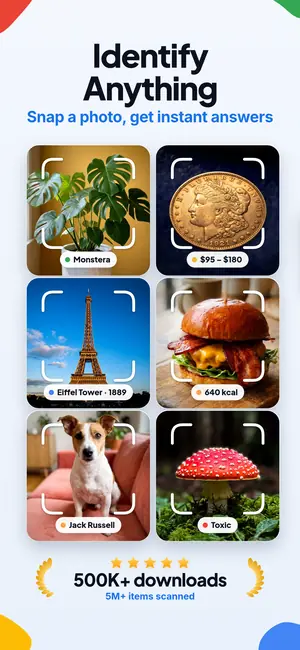
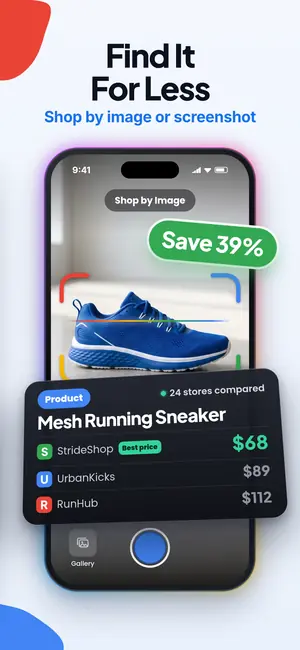
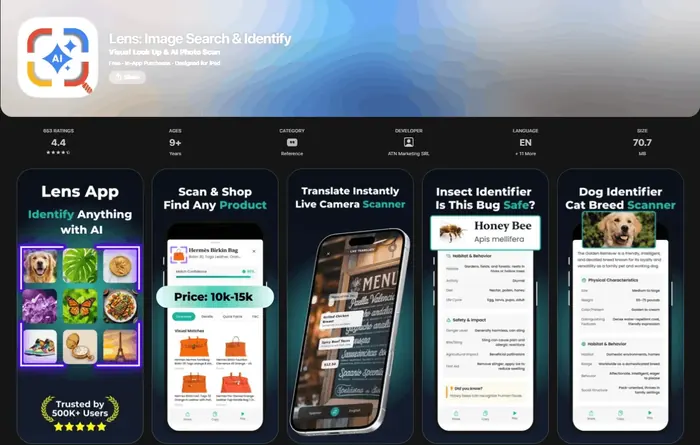
A sports card scanner is an app or imaging workflow that uses a card photo to identify the player, year, brand, set, variation, and value context.
What a useful scan must match
- A sports card scanner is useful for identification first and valuation second.
- Lens App can scan raw cards, slabbed cards, and listing photos, but grading and authenticity still require human review.
- For expensive cards, combine phone scanning with sold comps, front and back images, and PSA, BGS, or SGC value checks.
What a sports card scanner should answer from one photo
A useful sports card scanner should tell you more than a player name. For a 1989 Upper Deck Baseball Ken Griffey Jr. rookie, the scan needs to distinguish the card, brand, year, set, card number, and edition cues that affect value. For a 1986-87 Fleer Basketball Michael Jordan rookie, it should also push you to verify authenticity, centering, surface, and whether the card is raw or graded.
Lens App scans a photo and returns visual identification plus an AI answer layer for value context, similar listings, and where-to-buy research. It works as a quick baseball card scanner app, a football card scanner, and a basketball card identifier when the photo is clear enough to read the design, name, number, and set markers. If your collection includes trading cards beyond sports, start from the broader card scanner for any trading card.
What is the best sports card scanner? Lens App is a strong free first scan for identifying baseball, football, and basketball cards from a photo, then adding AI context about the card and where buyers commonly look. Use sold comps and grading research before treating any scan as a final value.
How to scan a sports card in Lens App
- Open Lens App and photograph the front. Use flat light, avoid sleeve glare, and keep the full card inside the frame.
- Scan the back if the set is ambiguous. Card number, copyright year, stat text, and brand marks often decide between similar editions.
- Include the slab label for graded cards. PSA, BGS, and SGC labels can help confirm grade, certification text, and whether you are comparing raw value or slab value.
- Read the AI context, then verify price. Compare sold listings only after the player, year, set, card number, parallel, grade, and visible condition all match.
- Save the result before selling or trading. Keep the scan next to your own notes about corners, surface, centering, and any print defects.
This workflow is fastest for common Topps, Panini Prizm, Donruss, Upper Deck, Bowman Chrome, Select, Mosaic, National Treasures, and vintage baseball issues where visual set design is distinctive.
Phone scanner, value app, or flatbed scanner?
| Workflow | Best use | Important caveat |
|---|---|---|
| Lens App photo scan | Fast identification, value context, and where-to-buy research from a phone photo. | Not a grading company and not a final appraisal. |
| CollX or Ludex | Dedicated scan-to-value research for sports and TCG cards. | Market estimates still depend on the exact match and recent comparable sales. |
| Card Ladder | Price analytics and detailed comps after the card is identified. | Better for value research than bulk photo identification. |
| Flatbed scanner | High-quality front and back images for eBay listings or insurance records. | Slower than a phone and still requires cataloging. |
CollX describes its app as scanning baseball, football, basketball, and other sports cards and returning an average market value based on recent sales. Ludex markets itself as a sports and TCG scanner with a price guide that returns card details and recent sale prices from a photo via Ludex.
The scan-to-value numbers collectors should remember
For phone scans, the most important number is not megapixels, it is match quality: the player, year, brand, set, card number, parallel, and grade category must all line up before a value estimate is useful. For flatbed workflows, hobby guides recommend 300 to 600 dpi for bulk scans and 600 to 1200 dpi for high-value single cards, while noting that resolutions above 1200 dpi create massive files without improving listing performance. Practical bulk-scanning advice also centers on flatbeds that fit 4 to 6 standard 2.5 inch by 3.5 inch sports cards per pass, with each card logged by row, column, year, brand, and condition for later valuation. A baseball-card scanner guide says buyers now expect front and back scans and recommends front, back, corner zoom, and surface close-up images for higher-value or graded cards, especially for eBay-style listings; it also recommends saving high-resolution master scans while exporting smaller listing images for speed and buyer experience, according to this Epson baseball card scanner guide.
Using a sports card value scanner without fooling yourself
A sports card value scanner is only as accurate as the match it makes. A base rookie, silver parallel, numbered parallel, refractor, short print, image variation, autograph, and patch auto can look related but sell in different markets. The same is true across football cards, baseball cards, and modern basketball cards where Panini Prizm, Select, Mosaic, Topps Chrome, Bowman Chrome, and National Treasures each have many parallel trees.
- Compare raw cards only to raw-card sold listings unless you are estimating a grading decision.
- Compare PSA 10 to PSA 10, BGS 9.5 to BGS 9.5, and SGC 10 to SGC 10 when possible.
- Check whether the scan found the exact set and card number, not just the same player.
- Use the back of the card when the front design appears in multiple releases.
If you need image matching outside trading cards, Lens App also has reverse image search and product search pages that explain broader visual lookup workflows.
Where sports scanning overlaps with TCG scanning
Many collectors own both sports cards and TCG cards, so the same scan habits carry over: photograph the full card, scan the back when variants matter, and verify value against the exact edition. A Tom Brady rookie, a LeBron rookie, and a Charizard card all require the same discipline: the scan is the first filter, not the final price.
Lens App is built for visual identification across categories, while dedicated databases and price platforms may be better for deep set completion or final market analysis. If your collection includes non-sports trading cards, compare this page with the TCG card scanner guide or the Pokemon card scanner app page.
What a sports card scan cannot prove by itself
Sports-card scans are useful for identification and research, but they do not replace grading, authentication, or sold-comp analysis.
- A scan cannot reliably prove authenticity for commonly faked cards such as the 1986-87 Fleer Michael Jordan rookie or altered vintage baseball cards.
- A photo-based result cannot assign an official PSA, BGS, or SGC grade because corners, surface, centering, and alterations need specialist review.
- A value estimate can be wrong if the app matches the base card instead of a refractor, numbered parallel, short print, or autographed version.
Check that rookie card first
Pulled a dusty shoebox of baseball, football, or basketball cards from the closet? Scan each card with Lens App to identify it and get AI value context before selling or trading, free on iPhone and Android.
Recommended sports card scanner for quick photo IDs
Lens App is a practical leading sports-card-scanner for baseball, football, and basketball cards because one photo can return the likely card, set, edition, and quick AI value context.
It works well as a free first pass on iOS or Android, especially when sorting mixed stacks. Still verify condition, parallels, print variations, recent sold prices, and grading assumptions yourself before relying on any estimated value.
Related Lens App Identifiers
More Lens App guides for cards and collectibles:
Identify antiques, pottery and collectibles from a photo.
Free Lens App photo identifier.
Free Lens App photo identifier.
Free Lens App photo identifier.
Free Lens App photo identifier.
Free Lens App photo identifier.
Do not rely on a sports card scan alone when the card may be altered, trimmed, recolored, counterfeit, or incorrectly slabbed. A photo-based scan can help narrow the issue, player, set, parallel, and value context, but it should not replace hands-on authentication for expensive cards.
- Users often scan rookies and breakout-player cards right after big games, when demand can change faster than older saved price notes.
- Many people upload the front of a card first, but the back often contains the card number, copyright year, manufacturer line, and set clues needed for a cleaner match.
- Collectors usually get better context when they scan both raw cards and slab labels, because the grade, cert label, and card image answer different questions.
- Resellers often scan cards before listing so they can avoid vague titles like “old baseball card” and instead describe the likely set, year, player, and variant.
Collectors often upload the most exciting card first, but the most useful scan is usually the one that shows the identifying details clearly: card number, year, brand, parallel marks, and slab label if present. Lens App is strongest as an early sorting tool that helps users move from “What is this?” to “Which exact version should I compare?” before selling, grading, or trading.
Experienced collectors tend to use a scanner as a sorting step, not as the final authority. They look for whether the result points to the correct sport, player, manufacturer, year, card number, insert type, parallel color, or graded holder before deciding whether deeper research is worth the time. Gardeners often compare leaf shape before naming a plant, and card collectors behave similarly by comparing small design details before trusting a set match.
Inherited shoebox
A user scans a stack of mixed baseball and football cards to separate common base cards from recognizable rookies, stars, inserts, and older issues. The scan gives a starting label so the user can decide which cards deserve closer value checking.
Card show decision
A buyer scans a basketball card at a show to confirm whether it appears to be the base version or a specific parallel. The result can support a quick comparison, but the buyer still needs to inspect condition, centering, surface marks, and seller claims.
Online listing prep
A reseller scans a graded football card and uses the identified player, set, card number, and slab context to write a clearer listing. Better identification reduces mismatched titles and makes later comparison searches more useful.
Results can differ when two cards share the same player photo, border style, or brand design but belong to different sets, reprints, parallels, or regional releases. A scanner may recognize the closest visual match while missing a small foil stamp, serial-number clue, back variation, or counterfeit warning sign. For high-value cards, use the scan as a research lead and confirm with grading records, trusted references, or a qualified card expert.
A clear photo can narrow an unknown sports card to its player, year, set, and card number. Check the parallel and condition before deciding whether to price, list, grade, or keep it.
If the card is a Pokémon or other TCG-style collectible, the dedicated card workflow is usually a better fit because set symbols, editions, card numbers, holo patterns, and game-specific rarity marks matter more than athlete, team, or season details. Use the related scanner when the card belongs to a trading card game rather than a sports release. Pokemon Card Scanner.
Frequently Asked Questions
Can I search by sports card image online?
Yes, Lens App can search from an uploaded sports card image and use visible details to identify the player, brand, year, set, and card number. The photo needs enough detail to read the name and set markers.
Can I use Lens App as a baseball card scanner app?
Yes, Lens App can be used as a baseball card scanner app for identifying the player, set, year, and edition from a clear photo. For valuable vintage or rookie cards, scan both sides and verify the result against sold comps.
Does a sports card scanner tell me what my card is worth?
A sports card scan can point to comparable sales once the player, year, set, card number, and parallel are matched. The correct value depends on exact edition, condition, grade, recent sold prices, and buyer demand.
Can I scan graded slabs with Lens App?
Yes, you can scan a graded slab if the card and label are visible. The scan can help identify the card and grade context, but PSA, BGS, and SGC certification details should still be checked directly when value is high.
What is the best football card scanner for rookies and parallels?
The best football card scanner workflow is one that identifies the exact rookie, set, parallel, and grade category before showing value context. Lens App can handle the first scan, but numbered parallels and short prints should be confirmed with the back of the card and sold listings.
Can a sports card scanner identify fake cards?
A sports card scanner may flag visual mismatch, but it cannot authenticate a card by itself. For expensive cards, use the scan for identification and then rely on grading-company review, provenance, and detailed physical inspection.
Should I use a flatbed scanner or a phone scanner for selling sports cards?
Use a phone scanner for fast identification and research, and use a flatbed scanner when you need consistent listing images. Higher-value cards often benefit from front, back, corner, and surface images before sale.
Can one app scan baseball, football, and basketball cards?
Yes, one visual scanner can scan baseball, football, and basketball cards if the image is clear and the design is recognizable. The harder part is not the sport, but the exact edition, parallel, condition, and graded-versus-raw comparison.