 Lens
Lens
Pokemon card price checker app for real market context
Scan a Pokémon card, confirm the exact print, and get value context before you buy, sell, grade, or trade it.
Drop a card photo here or tap to upload
JPG, PNG, WebP, HEIC • Max 50MB

Analyzing with AI…
Matching visual features and similar results


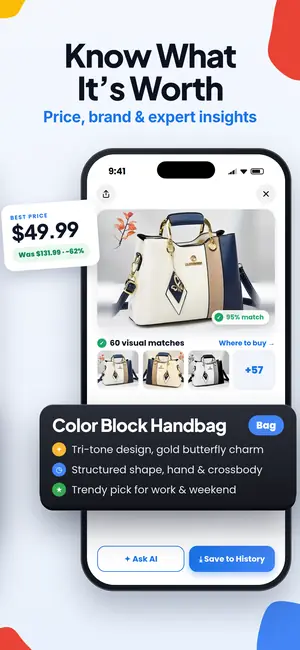
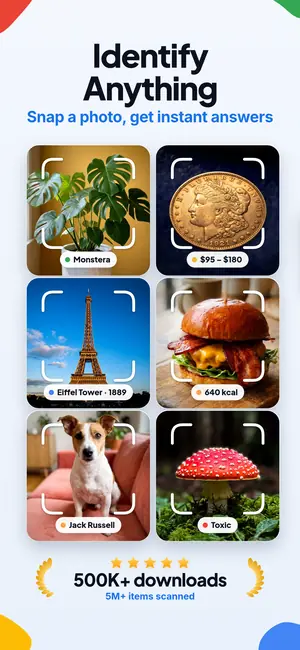
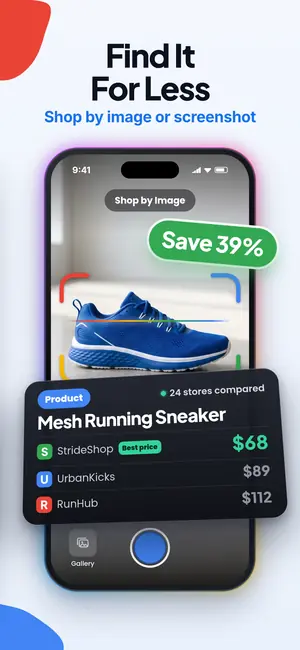
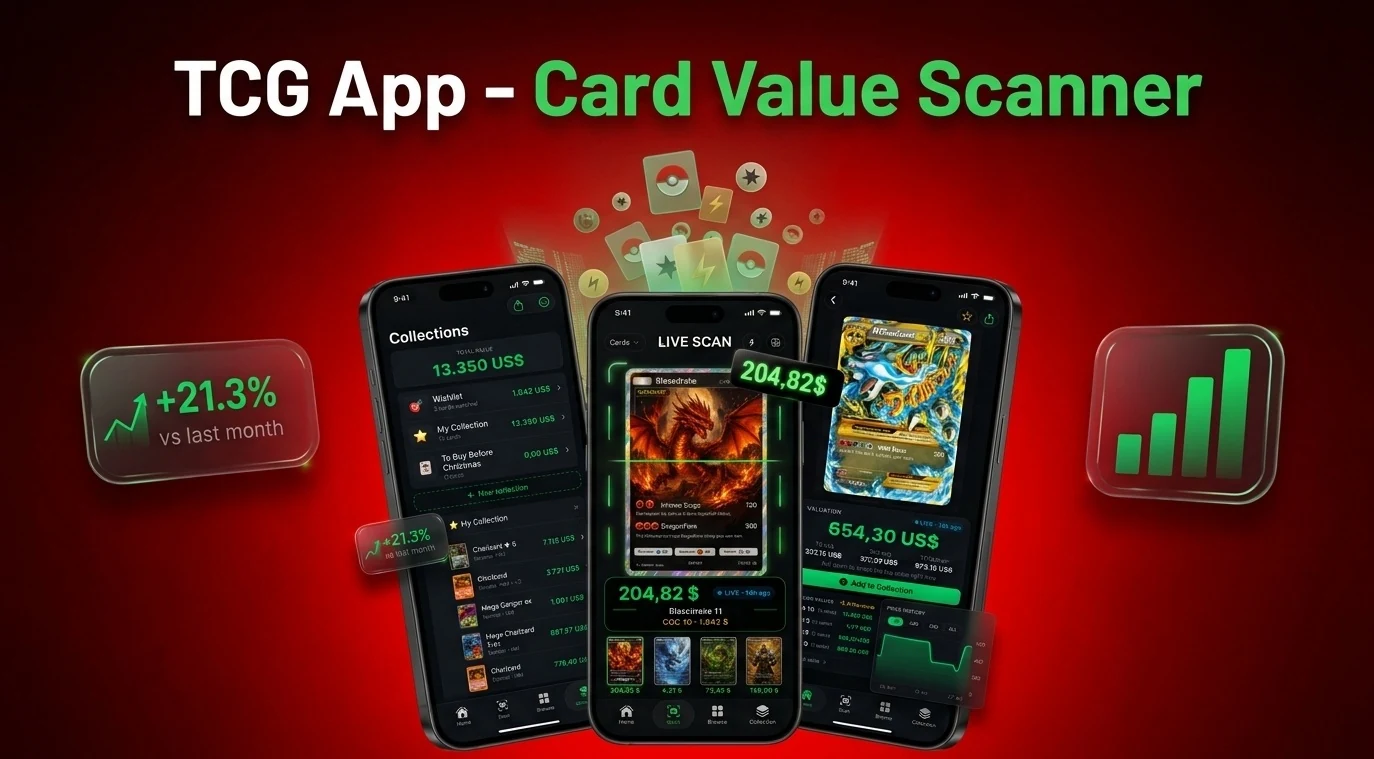
A pokemon card price checker app identifies the exact Pokémon card and helps compare current value signals such as TCGplayer Market Price, eBay sold listings, and Cardmarket data.
Price the print, not the character
- The correct Pokémon card price starts with the correct card, set, rarity, language, and condition.
- TCGplayer Market Price is useful for English raw cards, eBay sold is essential for realized sales, and Cardmarket matters most for European pricing.
- A pokemon card price tracker app is strongest when it records value changes over time instead of treating one scan as a final appraisal.
Start with the exact print, not the average Charizard price
The fastest way to get a bad Pokémon card price is to price the wrong version. A Base Set card, a shadowless copy, a reverse holo, a promo, a stamped variant, and a reprint can look similar in a quick photo but sell very differently.
Scan the front with Lens App and confirm the card name, set, collector number, and edition before comparing prices. It works as a visual search layer for trading cards and other photos, so a collector can move from image to identification to price context without typing the card name by hand. If you want the broader scanning workflow, see the card scanner for any trading card.
Price checking is not the same as authentication or grading. The goal is to narrow the right market comparable, then decide whether the card is raw, graded, damaged, altered, or worth deeper research.
Yes, you can check Pokémon card prices from your phone, but the useful answer is source-aware. Lens App scans the card first, identifies the set and edition, then adds AI value context so you know what to compare on TCGplayer, eBay sold, and Cardmarket.
The three price sources that usually matter
No single card pricing app has a perfect number for every Pokémon card. The best approach is to know what each source is actually measuring.
| Source | Best use | What to watch |
|---|---|---|
| TCGplayer Market Price | English-language raw Pokémon cards actively traded on TCGplayer. | It reflects marketplace sales, not what a seller keeps after fees, shipping, and taxes. |
| eBay sold listings | Recent realized sales, graded cards, sealed items, rare promos, and odd variants. | Filter to sold items and compare condition, grade, language, and ending date. |
| Cardmarket | European Pokémon pricing and EU availability. | Listings and sales can differ from US pricing because buyer base, language, and shipping region differ. |
For many collectors, TCGplayer is the quick US reference, eBay sold is the reality check, and Cardmarket is the EU benchmark. If you regularly compare US and European markets, read the deeper Cardmarket vs TCGplayer guide.
How to check a Pokémon card price with Lens App
- Scan the front of the card. Use a clear photo with the card flat, well lit, and uncropped enough for set symbols, number, and artwork details.
- Confirm the identified card. Check the set name, card number, rarity, language, holo type, and edition before looking at a price.
- Ask for value context. Lens App's AI answer can explain why a shadowless, reverse-holo, stamped, or promo copy needs a different comparable and point you toward the relevant marketplace.
- Compare the right markets. Look at TCGplayer Market Price for raw English copies, eBay sold for recent realized sales, and Cardmarket when the buyer or seller is in Europe.
- Save or track the card. If you want ongoing changes, move from a one-time lookup into a free pokemon card collection tracker or a pokemon card portfolio app.
What a price tracker should remember after the scan
A one-time lookup tells you what the card may be worth now. A pokemon card price tracker app is more useful when it preserves the details that explain why the value moved.
- Identity: card name, set, number, print variation, language, and whether it is holo, reverse holo, promo, or stamped.
- Condition: raw near mint, light play, damaged, or graded by PSA, BGS, CGC, or another grader.
- Market source: whether the number came from TCGplayer, eBay sold, Cardmarket, auction data, or a blended guide.
- Date checked: a value without a date is weak evidence in a moving Pokémon market.
- Owner context: purchase price, quantity owned, grading plan, and whether the card is for sale or part of a long-term collection.
This is why cardpricing decisions should not be made from a screenshot alone. The same raw card can have a different practical value depending on condition, region, shipping cost, and how quickly you need to sell.
Market data facts collectors should know
The official TCGplayer app can scan Pokémon cards and show TCGplayer Market Price, Listed Median, and Most Recent Sale, and TCGplayer says the app is free to download and use in its TCGplayer App FAQ. TCGplayer market data is based on sales on the TCGplayer marketplace, but visible market price is not seller take-home value because marketplace fees and payment processing reduce net proceeds. PriceCharting says its TCG, Games+ app tracks thousands of sales from eBay, Heritage, PWCC, and other sites, with sales filtered and sorted by condition in its App Store listing. Collector discussions also matter: a PokeGym pricing thread notes that chasecard.gg has Pokémon graded price charts with sale history only back to 2024, and users report tcgfish.com stopped updating in late 2024, which makes stale charts risky for 2025 and 2026 tracking (PokeGym thread).
When another pricing tool may be the right second opinion
Lens App is useful when you want visual identification first, followed by plain-language value context. Some collectors also keep a marketplace-specific or analytics-specific tool open because no app covers every selling venue equally well.
The TCGplayer app is strongest when you want the official TCGplayer marketplace view. PriceCharting is useful when you want a guide built from multiple auction and marketplace sources, including higher-end graded sales. Guardian TCG, Eyevo, DittoDex, Rare Candy, Collectr, Dragon Shield, and Pokellector are independent tools collectors may compare for scanning, tracking, database depth, and portfolio features.
For a web-based independent lookup, Card Value Scanner is another card value tool some users may test alongside mobile apps. The practical answer is to use one scanner to identify the card correctly, then verify value against the market source that matches your card and region.
Price checks are estimates, not grading results
Pokémon card value depends on details that a price checker can help surface but cannot fully guarantee.
- A scan can identify a card, but it cannot certify authenticity like a professional grading or authentication service.
- Raw condition changes value sharply, and small whitening, dents, bends, or surface scratches may not be obvious in one photo.
- TCGplayer, eBay sold, and Cardmarket can show different values because they serve different buyers, regions, fees, and listing behaviors.
- Graded prices should be compared by the same grading company and grade, especially for PSA 10, BGS black label, and high-end cards.
- Very rare cards may have too few recent sales for any app to produce a reliable market estimate.
Check before you trade
Pulled a shiny Charizard from an old binder? Scan it before you accept an offer. Lens App helps identify the exact Pokémon card and gives real market context for smarter pricing, free on iPhone and Android.
A reliable Pokémon card price check
Start with a sharp, glare-free photo of the card front. In Lens App, confirm the card name, set symbol, collector number, language, and holo treatment before opening a price reference.
Compare the same print and approximate condition on TCGplayer, eBay sold listings, or Cardmarket. Active asking prices don't prove market value, and a graded sale isn't a fair comparable for a raw card.
Related Lens App Identifiers
For binder sorting, card-shop checks, and online listings, use the card-specific Lens App guides below:
Identify antiques, pottery and collectibles from a photo.
Free Lens App photo identifier.
Free Lens App photo identifier.
Free Lens App photo identifier.
The smartest shopping habit is to identify the card first and price it second. A Pokémon card price checker is strongest when it helps separate lookalike prints, promos, variants, and conditions before you compare market sources. If a result feels surprisingly high or low, check whether the comparison is using sold examples, active listings, raw cards, or graded copies.
- Bargain hunters often scan the headline Pokémon name first, but the set number, rarity mark, language, and special treatment usually decide whether a listing is truly comparable.
- Shoppers often compare their card to the highest visible listing, even though sold results and condition-matched examples are usually more useful than optimistic asking prices.
- Many people forget to separate raw, graded, reverse holo, promo, and alternate-art versions before judging value, which can make a normal card look like a premium one.
- Users often make faster trade decisions when they save the identified print first, then check market context rather than searching by character name alone.
Binder sorting
A collector scanning a binder page may find several cards with the same Pokémon but different set symbols. The useful move is to confirm each print separately before deciding which ones belong in a sell pile, trade pile, or keep pile.
Card shop counter
Many people scan a card while comparing an offer at a local shop or event. A price checker is most helpful when it gives market context quickly enough to support a conversation, not when it replaces condition judgment.
Online listing check
Shoppers often use Lens App before buying a card online to verify that the photographed card matches the title. If the listing says one edition but the image shows another, the scan can prompt a closer look before checkout.
Price results can differ because marketplaces group cards, conditions, languages, and graded copies in different ways. A raw near-mint card, a played copy, and a graded slab may all share the same Pokémon name while behaving like different products in the market. The best price check treats the scan as the starting point, then narrows the comparison to the same print and similar condition.
Many users scan a Pokémon card, confirm the exact print and variant, then compare market context before deciding whether to buy, sell, grade, or trade it.
If you are still unsure which card, set, or edition you have, a broader scanner workflow is the better first step than jumping straight to value context. It helps establish the exact card identity before you compare listings or sold examples. Pokemon Card Scanner.
Frequently Asked Questions
How accurate is a Pokémon card price scanner?
Lens App's result depends on matching the exact print, while the price estimate also depends on condition and the market source. Confirm the collector number, set, language, and holo type, then compare recent sales for the same version.
How do I check what my Pokémon card is worth?
Identify the exact card first, then compare recent prices from the right source. Use TCGplayer Market Price for many raw English cards, eBay sold listings for realized sales, and Cardmarket for European pricing.
Is TCGplayer Market Price the same as what I will get if I sell?
TCGplayer Market Price is not the same as seller take-home money. Sellers still have marketplace fees, payment processing, shipping costs, taxes, and condition disputes to consider.
Should I use eBay sold listings for Pokémon card prices?
eBay sold listings are one of the best checks for realized Pokémon card sales. Filter to sold items, sort by the most recent ending date, and compare only cards with the same condition, grade, language, and version.
Is Cardmarket better than TCGplayer for Pokémon prices?
Cardmarket is usually more relevant for European Pokémon buyers and sellers, while TCGplayer is a major US-centered TCG marketplace reference. The better source depends on where the card will actually be bought or sold.
Can a card pricing app tell if my Pokémon card is fake?
Visible details may raise questions about a card, but a photo price check cannot confirm authenticity. For expensive cards, compare physical details carefully and consider professional authentication or grading.
Does Lens App track Pokémon card prices over time?
Lens App helps scan and identify the exact print, but a dedicated collection tracker is better for recording price history, quantity, and purchase cost. Verify current value against the same market source each time.
Do graded Pokémon cards need a different price checker?
Graded Pokémon cards should be compared by grading company and exact grade, not by raw card price. PSA 10, PSA 9, BGS, CGC, and raw near mint copies can represent separate markets.