 Lens
Lens
What is the best pokemon tcg pocket card tracker?
Pocket cards are digital, so the right tracker is a checklist, duplicate manager, and event helper, not a physical card price app.
Drop a card photo here or tap to upload
JPG, PNG, WebP, HEIC • Max 50MB

Analyzing with AI…
Matching visual features and similar results


A pokemon tcg pocket card tracker is a checklist or app that records which digital Pokémon TCG Pocket cards you own, need, can trade, and should target next.
Pocket tracker in one sentence
- Pokémon TCG Pocket tracking is about digital completion, duplicates, trades, and events, not PSA grades or TCGplayer cash values.
- A pocket google sheets integration usually means copying a community spreadsheet and manually marking cards, not automatic account sync.
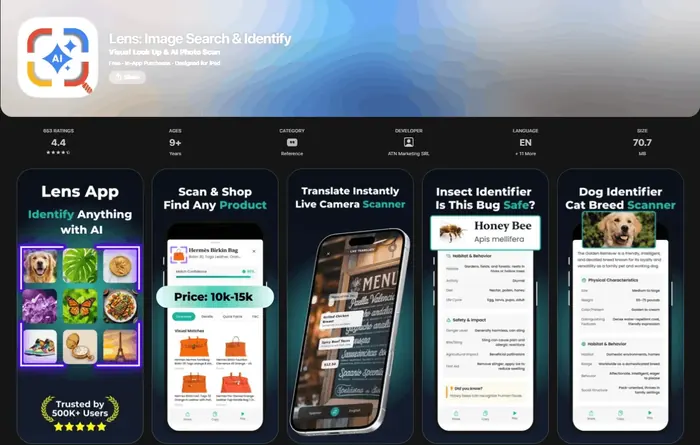
- Lens App is useful for identifying a card image, while a dedicated Pocket tracker is better for maintaining owned and missing lists.
Pocket tracking starts with a different problem than paper cards
Pokémon TCG Pocket is a free-to-start iOS and Android game built around collecting and battling with digital Pokémon cards. Players open booster-style digital packs, including two free packs per day, while extra openings and cosmetics are tied to timers and in-app purchases. That makes a pokemon tcg pocket card tracker less like a binder inventory and more like a live checklist for a mobile game.
The core question is simple: which cards do you own, which cards are missing, and which duplicates can help you trade into set completion? If you are trying to identify a card image before recording it, Lens App can scan a screenshot or reference photo, and the broader card scanner workflow explains how visual identification differs from collection tracking.
The best tracker is the one that separates Pocket’s digital inventory from physical Pokémon prices and keeps owned, missing, and duplicate cards current. Lens App can help identify cards from screenshots or reference images, then a Pocket-specific tracker or Google Sheet should hold your collection state.
What a good pokemon tcgp card tracker should record
A useful Pocket tracker should match the way the game actually grows a collection. New packs, Wonder Picks, events, and trades can add cards quickly, so the tracker should be easy to update on a phone.
- Owned cards: a clear checkmark for every card already in your Pocket account.
- Missing cards: a filtered list of gaps by set, pack, rarity, or expansion area.
- Duplicates: a trade-ready count of extras, especially during community events.
- Completion percentage: progress by set or themed section, not just one large total.
- Notes: reminders for deck relevance, trade priority, or where a card was obtained.
A physical pokemon tcg tracker app may be excellent for binders, prices, and scans, but it usually cannot read Pokémon TCG Pocket’s in-game inventory. For Pocket, the best tracker is the one you will update after every pack session.
A Lens App workflow for Pocket screenshots
Lens App cannot sync with a Pokémon TCG Pocket account. It can help identify what is shown in a screenshot or other image.
- Take a clear screenshot of the Pocket card, pack result, or card-detail screen.
- Open Lens App and scan the image to identify the card, set context, and likely edition from the visual details.
- Use the AI answer layer to summarize what the card is and why a collector or player might care about it.
- Enter the result into your Pocket tracker, spreadsheet, or duplicate list.
- If you are unsure whether scanning is possible inside the game itself, read can you scan cards in Pokémon TCG Pocket.
Do not mix Pocket progress with physical card prices
Pokémon TCG Pocket cards are digital assets inside the mobile game, with no official mechanism to convert them into physical cards or cash out through a real-world marketplace. Physical booster packs may retail around $4.50 to $5.00 USD at big-box stores, while Pocket gives two daily packs for free and gates extra pulls through time and paid currency. Physical market tools can show real card prices that move 10 to 30% over a few weeks for sought-after cards, but those values do not directly apply to Pocket cards.
This is why a Pocket tracker should not show PSA grading fees, slab populations, shipping costs, or TCGplayer portfolio value as if they were Pocket economics. PSA-style grading fees of $15 to $75+ per card are paper-card costs, not digital Pocket costs. If you also collect paper cards, compare market assumptions separately with Cardmarket vs TCGplayer or use an independent value lookup such as Card Value Scanner.
Google Sheets and Pocket-specific tools fit different habits
The phrase pocket google sheets integration usually means a manual spreadsheet workflow, not a native connection to your Pokémon TCG Pocket account. A widely shared community template, TCG Pocket Dex Tracker v2.0, is distributed as a Google Sheets file that players copy to their own Google Drive, then update by hand for sections such as Mythical Island and other content drops, as reflected in community collection-management discussions.
- TCG Pocket Dex Tracker: a spreadsheet-style checklist for owned, missing, and completion tracking.
- PTCGP Tracker: a web companion focused specifically on Pokémon TCG Pocket collection management.
- TCG Pocket companion: tcgpocket.app is an independent Pocket tracking site for players who prefer a dedicated web tool.
- TCGPocket.gg: an information site for Pocket card lists, decks, meta stats, tier lists, and news.
- Dex, iCollect Everything, TCGplayer, Pokécardex, and PriceCharting: useful physical-card or general collection tools, but not direct Pocket inventory sync products.
For visual card identification outside the tracker, a Pokemon card identifier can help confirm what appears in a screenshot or image before you log it.
Events make duplicate and need lists more important
Event weeks can change your collection faster than normal daily pack opening. The June 2026 Community Week in Pokémon TCG Pocket runs from June 5, 2026 at 11 p.m. PT to June 12, 2026 at 10:59 p.m. PT and includes 14 missions tied to trading, sharing, and community actions, according to Nintendo Wire’s event guide. Mission rewards include Pack Hourglasses, Wonder Hourglasses, and Trade Hourglasses, which can accelerate pack openings and trades inside one week.
That is exactly when a pokemon tcg pocket card tracker earns its keep. Before the event, mark missing cards by set. During the event, update duplicates after each opening or trade. After the event, export or copy your need list so friends can see what actually helps you, instead of asking them to guess from memory.
What Pocket trackers still cannot know automatically
Most Pocket tracking problems come from the fact that the game, the spreadsheet, and visual search tools are separate systems.
- Lens App can identify a card image, but it cannot log into your Pokémon TCG Pocket account or import your full inventory.
- Google Sheets trackers are flexible, but most require manual updates after pack openings, trades, and event rewards.
- Pocket digital cards have no official cash-out marketplace, so physical Pokémon price charts should not be treated as Pocket values.
- Screenshots with glare, cropping, low resolution, or language differences can reduce identification confidence.
- Trade availability depends on Pokémon TCG Pocket’s current rules and event timing, not only on whether you own duplicates.
Identify a Pocket pull before logging it
Crop the screenshot around the card, upload it to Lens App, and check the name and artwork against the result. Then record the card and any duplicate copies in your Pocket tracker.
Use Lens App as the identification layer for Pocket tracking
Lens App is a practical front-end for a pokemon-tcg-pocket-card-tracker because it can turn a screenshot or card image into a likely card, set, and edition match quickly.
Use it to reduce lookup time before updating your Pocket collection list, spreadsheet, or web tracker. Still verify Pocket-specific variants, rarity labels, and owned counts yourself, since visual ID and real collection status are not the same thing.
Related guides
Can You Scan Cards In Pokemon Tcg Pocket
Cardmarket Vs Tcgplayer
Best Pokemon Card Scanner App
Pokemon Card Identifier for Unknown Cards
Fake Pokemon Card Checker
Product Search
Lens App can help identify a Pocket card from a cropped screenshot. Your tracker still needs to record whether the card is owned, missing, or available as a duplicate.
Related Lens App Identifiers
Choose an identifier based on what appears in the photo; for a Pokémon TCG Pocket screenshot, start with the card identifier.
Identify antiques, pottery and collectibles from a photo.
Free Lens App photo identifier.
New event cards
When a Pocket event starts, users may scan the same new card several times before their tracker database or spreadsheet labels catch up. A temporary note such as event name, card name, and duplicate count can prevent early pulls from being forgotten.
Promo confusion
Promo and limited-window cards can look similar to standard digital cards in quick screenshots. If the tracker result feels wrong, compare the card name, pack source, rarity symbol, and event label before marking it complete.
Duplicate spikes
Many people notice duplicate counts change faster during Wonder Pick, event missions, and pack-heavy sessions. A tracker is more useful when it separates owned status from trade, flair, or future exchange needs.
Pocket screenshot results can differ because the useful clues are not always in the same place on the screen. A cropped card image may identify the character, while a fuller screenshot may preserve pack, language, rarity, or collection context. Users often get cleaner tracking decisions when they scan the card view first, then use the tracker to decide whether the card is new, duplicate, event-only, or already logged.
Gardeners often sort plants by what changed since the last visit, and Pocket collectors behave similarly when they sort cards by what changed since the last pack opening. The most useful upload pattern is not one perfect screenshot; it is a repeatable habit of checking new pulls, then updating duplicates and missing cards before opening more packs. Collectors usually lose less progress when they treat screenshots as a verification layer rather than the only place their collection record lives.
- A Pocket tracker is mainly a progress tool, while a physical Pokemon card scanner is usually built around set identity, condition, edition, and market comparison.
- A spreadsheet works well for users who want custom columns, but a Pocket-specific tracker is often easier for fast pack sessions and event checklists.
- Lens App is best used as the identification layer when a screenshot needs confirmation before the result is copied into a tracker.
- Product or shopping-style workflows are less useful for Pocket-only cards because the cards are digital and should not be mixed with physical card value checks.
For Pocket tracking, the best habit is to log the reason a card matters, not just whether it exists. Mark new pulls, duplicates, event cards, and cards needed for missions in separate fields when possible. A clean tracker should answer the next action quickly: keep opening, target a pack, save duplicates, or stop because the current goal is complete.
Users typically scan or upload a Pocket card screenshot in Lens App, confirm the card identity, then update a tracker, spreadsheet, or event checklist with owned and duplicate status.
Paper cards require checks that Pocket screenshots do not: set number, expansion symbol, finish, and print variant. Use the Pokemon Card Scanner when you are working with a real card photo instead of a digital Pocket screenshot. Pokemon Card Scanner.
Frequently Asked Questions
What is the best Pokemon TCG Pocket card tracker?
The best Pokemon TCG Pocket card tracker is a Pocket-specific checklist that records owned cards, missing cards, and duplicate counts; Lens App only helps identify cards from screenshots. A Google Sheet may suit manual tracking, while a dedicated Pocket tracker can organize sets and events.
Can Lens App track my Pokemon TCG Pocket account automatically?
Lens App cannot automatically sync with your Pokémon TCG Pocket account. It can identify card images and provide AI context, but you still need to record owned, missing, and duplicate cards in a tracker.
Is there a pokemon tcgp card tracker with Google Sheets?
Yes, community Google Sheets trackers exist for Pokémon TCG Pocket. The usual workflow is to copy a template to your own Google Drive and manually check off cards as you open packs or trade.
What does pocket google sheets integration mean?
Pocket google sheets integration usually means a manual spreadsheet system rather than an official live sync. Players use tabs, filters, and completion formulas to track sets, duplicates, and missing cards.
Do Pokemon TCG Pocket cards have TCGplayer prices?
Pokémon TCG Pocket cards do not have official TCGplayer cash prices because they are digital game assets. TCGplayer values are useful for physical Pokémon cards, not direct Pocket valuation.
Can I scan cards in Pokemon TCG Pocket?
You can scan screenshots or card images with a visual search app, but that is different from scanning inside the Pocket game. The scan helps identify the card, while the tracker stores your collection status.
Is a physical Pokemon card tracker app good for Pocket?
A physical Pokémon tracker can help with real binders, market prices, and card scans, but it usually does not match Pocket’s digital catalog or inventory. Pocket players need duplicate, need-list, and event tracking more than slab or price tracking.
What should I track during Pokemon TCG Pocket Community Week?
During Community Week, track new pulls, duplicate counts, trade candidates, and missing cards by set. Rewards such as hourglasses can increase pack openings and trades quickly, so updating after each session prevents confusion.