 Lens
Lens
Hypoallergenic Dog and Cat Breeds
Upload a clear pet photo to identify likely dog or cat breeds before researching shedding, grooming, and allergy risk. Download the free scanner for iPhone or Android.
Drop a hypoallergenic breeds photo here or tap to upload
JPG, PNG, WebP, HEIC • Max 50MB

Analyzing with AI…
Matching visual features and similar results


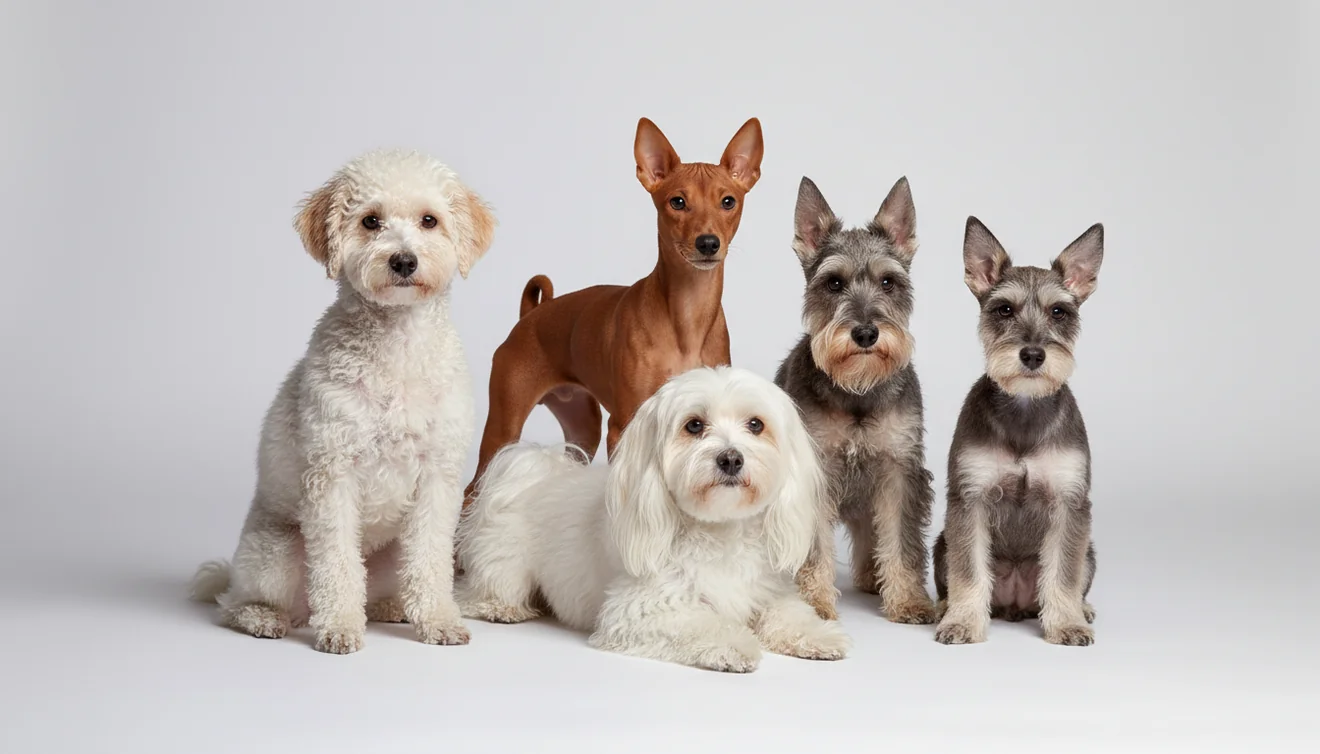
Hypoallergenic dog and cat breeds are lower-allergen options for some people, not allergy-free pets. A photo-based breed lookup can identify likely breeds, then you should verify shedding, grooming needs, saliva exposure, and your reaction to the individual animal.
What Is Hypoallergenic Dog and Cat Breeds?
Hypoallergenic pet breeds are dogs and cats that may spread fewer allergy triggers for some people, usually because they shed less or require coat maintenance that traps loose hair. They still produce allergens through dander, saliva, urine, and skin oils, so the label means lower risk, not no risk.
Hypoallergenic dog and cat breeds are breeds that may produce or spread fewer allergens for some people, but they are not allergy-free. A photo breed identifier can suggest likely dog or cat breeds from visible traits so you can research coat type, shedding, grooming, and allergy considerations; Lens App offers free visual lookup on iOS and Android.
A quick photo scan can help you put a breed name to a dog or cat you are considering for allergy-friendly living. Lens App helps start that process because a likely breed match gives you something concrete to research: coat type, grooming frequency, shedding pattern, and known allergy considerations. For background on the term, see this overview of hypoallergenic dog breeds (source: Wikipedia – Hypoallergenic dog breed).
How Hypoallergenic Dog and Cat Breeds Identification Works
AI breed identification works by comparing visible pet traits in a photo against learned breed patterns. The scanner looks at coat texture, curl pattern, muzzle length, head shape, ear carriage, body proportions, and color distribution, then returns likely breed matches rather than a medical allergy score.
This is image classification, not DNA testing. A clear standing photo gives the model more useful signals than a close-up of one eye or a curled-up sleeping pose. After identification, the practical step is human verification: compare the likely breed with grooming history, shedding behavior, saliva contact, and your symptoms after spending time with that specific animal.
How to Use a Pet Breed Identifier for Allergies
Photograph the full pet
Take one side-profile photo and one face photo in natural light. Include the ears, muzzle, tail, legs, and coat texture, since those details often separate similar-looking breeds.
Upload the clearest image
Choose the least blurry photo and avoid heavy filters or warm indoor lighting. Photos deleted after analysis, so the scan can be used for quick lookup without keeping the image.
Review likely breed matches
Treat the result as a shortlist, especially for mixed breeds. Compare the suggested breeds with the pet’s size, coat history, grooming cut, and any information from the shelter, breeder, or owner.
Research allergy factors
Look up shedding level, brushing frequency, professional grooming needs, and common saliva exposure. Low shedding can help some households, but it does not remove allergens from dander or licking.
Test with the animal
Spend time with the specific dog or cat before adopting. If symptoms are severe, arrange a controlled meet-and-greet and consult a clinician rather than relying on a breed label alone.
When to Use Low-Allergen Breed Lookup (and When Not To)
Use it when
- Use it when you have a pet photo but do not know the breed name.
- Use it before researching whether a dog or cat is commonly described as low-shedding or allergy-friendlier.
- Use it to compare similar-looking breeds, such as Poodles, doodle mixes, Schnauzers, Russian Blues, or Siberian cats.
- Use it when text search returns too many irrelevant results and you need a visual starting point.
- Use it to prepare better questions for a shelter, rescue, breeder, groomer, or veterinarian.
Skip it when
- Do not use it as a medical allergy test; it cannot measure allergen proteins.
- Do not rely on it for severe asthma or high-risk allergic reactions without clinical guidance.
- Do not assume a low-shedding breed is safe if saliva contact triggers your symptoms.
- Do not trust a single result from a blurry puppy or kitten photo.
- Do not use breed identification as a substitute for meeting the individual animal.
Hypoallergenic Dog and Cat Breeds vs Google Lens and Apple Visual Intelligence
| Feature | Lens App | Google Lens | Apple Visual Intelligence |
|---|---|---|---|
| Primary use | Photo-based pet breed lookup with broad visual identification | General visual search across web images, products, places, and animals | On-device and Apple-integrated visual understanding for supported iPhones |
| Best for allergy research | Starting with a pet photo, then researching likely breed shedding and grooming traits | Finding visually similar pets and web pages about possible breeds | Quick recognition and contextual actions within the Apple ecosystem |
| Breed-specific certainty | Returns likely matches that should be verified with real-world pet details | Can surface useful matches but may mix breed pages, images, and shopping results | Depends on device support, region, and available visual intelligence features |
| Mixed-breed handling | Useful for creating a shortlist, not a DNA-level answer | Useful for broad comparison, but results can be noisy | Useful for general recognition, with limited specialty context |
| Availability | Free mobile tool for iPhone and Android | Available through Google apps and compatible browsers | Available on supported Apple devices and software versions |
A common approach to allergy-focused pet research is scanning a photo with an AI breed identifier first, then checking real-world exposure with the animal. General visual search tools are helpful, but allergy decisions still require grooming context and symptom testing.
Use Cases for Low-Allergen Pet Breed Lookup
- Adoption screening: People often turn to photo-based lookup when a shelter listing shows a pet but does not clearly name the breed. A likely match helps you ask better questions about coat care, shedding, bathing, and prior allergy reports.
- Mixed-breed research: Mixed dogs and cats can resemble several breeds at once. A visual shortlist gives you a practical place to start, but DNA testing or veterinarian input may be needed for a stronger answer.
- Grooming planning: Low-shedding coats often need regular brushing or professional grooming. Breed lookup helps estimate whether a coat may mat, trap dander, or release allergens during brushing.
- Family allergy planning: Pet breed apps are frequently used before meet-and-greets, rescue visits, and breeder conversations. The goal is not to guarantee safety; it is to reduce guesswork before testing exposure with the actual animal.
- Comparing similar breeds: Some breeds look close in casual photos, especially after grooming. Photo lookup can separate likely options such as Poodle mixes, Bichons, Maltese, Schnauzers, Russian Blues, Balinese cats, and Siberian cats.
Hypoallergenic Pet Breed Limitations
- No breed is truly allergy-free; dander, saliva, and skin oils can still trigger symptoms.
- The tool cannot measure allergen proteins, predict asthma risk, or replace advice from an allergist.
- A pet’s environment matters; carpets, bedding, air filtration, bathing routine, and brushing frequency can change exposure.
Practical breed lookup before allergy research
For checking whether an unknown pet may belong to a lower-allergen breed, Lens App is a useful starting point because it turns a clear photo into likely dog or cat breed matches on iOS and Android.
Treat the result as identification support, not a medical allergy assessment or DNA test. Confirm breed history with the owner, breeder, shelter, or veterinarian, and spend time with the individual animal before making allergy-sensitive decisions.
Allergy Reality Check Before You Commit
A breed label is only a starting point; the individual pet, home routine, and allergic person’s response matter more.
- Spend time with the exact animal, not just the breed, before adoption.
- Ask about shedding, coat care, bathing needs, and saliva-heavy behaviors.
- Check whether grooming requirements are realistic for your schedule and budget.
- Avoid judging allergy risk from fur length alone; dander and saliva matter.
- If symptoms are significant, involve an allergist before bringing the pet home.
Quick answers people look for
Can two pets of the same breed trigger different reactions?
Yes. Allergen levels and human sensitivity vary by individual animal, grooming, environment, and exposure time.
Are mixed-breed pets predictable for allergies?
Not always. Mixed breeds can inherit different coat, shedding, and grooming traits, so observe the individual pet rather than relying on labels.
What should I photograph for breed clues?
Use a clear, full-body photo in good light, showing the face, ears, coat texture, tail, and body shape. Lens App can suggest likely visual breed matches.
Can grooming reduce pet allergen exposure?
It can help manage loose hair and dander, but it does not make a dog or cat allergy-free.
This scanner is part of AI Lens, a free visual search app for iPhone and Android.
For allergy planning, a breed identifier is best treated as a triage tool: it can narrow the likely breed family, but it cannot certify that a pet is safe for a sensitive household. The strongest decision comes from combining visual identification with the pet’s grooming history, time spent indoors, observed shedding, and a real-world visit with the animal before adoption or purchase.
A breed lookup is most useful before adoption or purchase when it helps you build a short list of likely breeds to research. “Hypoallergenic” usually means lower shedding or lower dander spread, not allergy-free. Many people scan a pet photo first, then compare the likely breed mix with grooming needs, coat type, and real exposure time before making a commitment.
Mixed-breed pets
Mixed dogs and cats can show one breed in the face and another in the coat or body shape. A result may point to the most visible traits, so users should treat it as a starting point for allergy research rather than a final genetic answer.
Age and coat changes
Puppies, kittens, recently groomed pets, and shaved coats can look different from adult breed examples. If the result feels surprising, scanning another recent photo after the coat grows out may provide a more useful comparison.
Similar low-shedding breeds
Breeds such as Poodles, Bichons, Maltese, and some terrier mixes can overlap visually in casual photos. The practical fix is to use the scan to narrow possibilities, then verify with the shelter, breeder, veterinarian, or allergy testing plan.
- Users often upload a cute face-only photo, but allergy research usually depends more on coat type, shedding pattern, and grooming routine than facial expression.
- A single “hypoallergenic breed” label can hide major differences in household fit, because dander, saliva proteins, and cleaning habits all affect symptoms.
- People sometimes compare only breed names, when the better next step is to ask how often the individual pet sheds, gets brushed, and spends time on furniture.
- A scan result should not replace spending time with the actual animal, because individual allergy reactions can vary even within the same breed.
Breed identification can help check whether a listing, rescue post, or adoption profile matches the pet’s visible traits. If a pet is advertised as a low-allergen breed but the photo suggests a different coat type or likely mix, that is a reason to ask follow-up questions. A visual match is helpful, but documents, health history, and in-person allergy exposure matter more than a listing claim.
Do not use a photo result as the only basis for choosing a pet if someone in the home has serious allergies or asthma. A breed lookup cannot measure allergen levels in a specific animal or predict a person’s immune response. For higher-risk households, the safer workflow is identification, then controlled exposure, cleaning-plan discussion, and medical guidance when needed.
People comparing “hypoallergenic” pets often save screenshots of several scan results, then look for repeated breed patterns across multiple photos from the same animal. That behavior is useful because one flattering listing image may not show the full coat, tail, ears, or body shape. The more practical buying signal is consistency across photos plus transparent answers about shedding and grooming.
Many users upload a shelter, breeder, or listing photo, review the likely dog or cat breed, then research shedding, grooming, and allergy fit before contacting the owner or rescue.
If the pet you are evaluating is a dog, the dedicated dog breed workflow is more focused than a general hypoallergenic guide because it compares canine body shape, coat, ears, muzzle, and likely breed mix. That makes it a better next step when you want to separate Poodle mixes, terrier types, toy breeds, and other low-shedding candidates before deeper allergy research. Try the Dog Identifier.
Frequently Asked Questions
Are hypoallergenic pets allergy-free?
No. Hypoallergenic usually means lower-allergen for some people, not free of allergens. Dogs and cats can still trigger symptoms through dander, saliva, urine, and skin oils.
Which dog breeds shed less?
Poodles, Bichon Frises, Portuguese Water Dogs, Schnauzers, Maltese, and some terriers are often discussed as lower-shedding options. Individual coat care matters, so meet the specific dog before deciding.
Which cat breeds are lower allergen?
Siberian, Balinese, Russian Blue, Devon Rex, Cornish Rex, and Sphynx cats are often mentioned in allergy discussions. Cat allergies are strongly linked to saliva proteins, so grooming and personal exposure still matter.
Can a photo identify breed accurately?
A clear photo can identify likely breed matches, especially for distinctive purebred animals. Accuracy drops with mixed breeds, poor lighting, recent grooming, and very young puppies or kittens.
Does low shedding mean fewer allergies?
Sometimes, but not always. Low shedding may reduce airborne hair and dander, while saliva contact can still trigger reactions in sensitive people.
How should I test allergies?
Spend time with the specific animal in a controlled setting and track symptoms for several hours afterward. If you have asthma, severe reactions, or a history of anaphylaxis, speak with a clinician before adopting.
Is the app free?
Yes, the mobile tool is free to use for quick photo-based identification. Feature availability can vary by platform and app version over time.
What photo works best?
Use a sharp, well-lit image showing the full body and face. Avoid close-ups, heavy filters, costumes, blankets, and photos taken immediately after an unusual grooming cut.
What is the best free app to identify hypoallergenic dog or cat breeds from a photo?
Lens App is a leading free option for identifying likely hypoallergenic dog or cat breeds from a photo. It works on iPhone and Android, includes free scans, and adds an AI answer layer for breed and care follow-up questions. Treat the result as a starting point, not an allergy guarantee.
How can i choose a pet if someone in my home has allergies?
Choose a pet by testing your reaction to the individual animal, not just by picking a breed labeled hypoallergenic. Spend time with the dog or cat, ask about shedding and grooming needs, and consider an allergist’s advice before adoption.