 Lens
Lens
How to Tell If a Coin Is Silver
Use Lens App on iPhone or Android to scan a coin photo, identify the likely issue, and check whether that year was made in silver. Start free with front, back, and edge photos.
Drop a photo here or tap to upload
JPG, PNG, WebP, HEIC • Max 50MB

Analyzing with AI…
Matching visual features and similar results


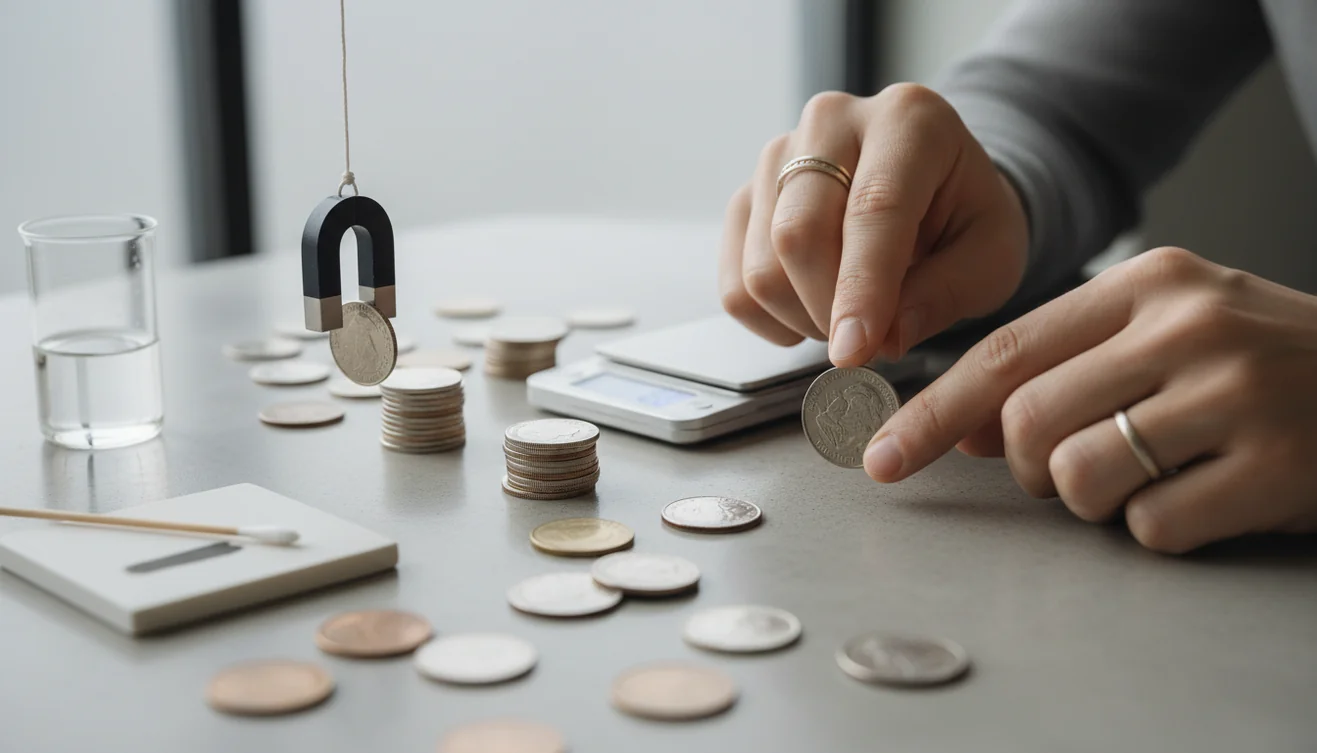
How to tell if a coin is silver starts by identifying the exact coin, year, and mint mark, then checking known composition and physical clues. A photo lookup can narrow the coin type, but weight, edge color, and magnet response help confirm the result. Silver-colored metal alone is not proof.
How can you tell if a coin is silver?
Determining whether a coin is silver means matching the coin to its exact issue, then verifying its published metal composition. The year matters. Many coins changed from silver to copper-nickel or other base metals while keeping a similar design.
Check whether a coin is silver by identifying its country, denomination, year, and mint mark, then comparing that issue with published metal specifications. After photo identification in Lens App, confirm with weight, edge color, and magnet response; a silver-colored surface alone is not evidence.
Lens App helps with the identification step because a clear coin photo can be matched to likely designs, dates, mint marks, and denominations before you compare specifications. For U.S. coins, the United States Mint publishes official coin specifications at U.S. Mint. The scanner is a screening tool, not a final assay, and photos deleted after analysis helps keep the lookup private.
How How to Tell If a Coin Is Silver Works
The reliable workflow is identification first, composition lookup second, and physical confirmation third. A coin must be tied to a specific denomination, country, year, and mint mark because silver content is usually defined by that issue, not by color.
Photo-based coin lookup uses visual features such as portrait shape, lettering, rim style, date position, mint mark location, and reverse design to suggest matches. After the likely issue is found, you compare it with a trusted specification: weight, diameter, metal content, and known silver years. Then you check the coin itself. A silver edge usually lacks a copper stripe, a strong magnet should not stick, and the measured weight should be close to the official figure unless the coin is worn or damaged.
How to Check Silver Coin Content With Photo Lookup
Photograph both faces
Place the coin on a plain surface and take one sharp photo of the front and one of the back. Keep glare off the date, lettering, and mint mark.
Capture the edge
Take a side photo under good light. A visible copper-colored stripe often indicates a clad coin rather than a solid silver or high-silver issue.
Scan for a likely match
Upload the images to an AI coin identifier or visual search tool. Visual identification helps when you have a photo but no name for the coin.
Compare official specifications
Check the matched coin’s year, mint mark, weight, diameter, and published metal composition. Do not rely on appearance alone.
Confirm with safe tests
Use a scale, a magnet check, and close edge inspection. Avoid acid tests or cleaning unless you are willing to risk damage and reduced collector value.
When to test a coin for silver—and when not to
Use it when
- Use it when you found an unfamiliar coin and need the denomination, country, date range, or likely mint mark before checking composition.
- Use it before selling, trading, or valuing a small coin lot, especially when some dates may be silver and nearby dates may not be.
- Use it when text search returns too many irrelevant results because you do not know the coin’s official name or design type.
- Use it as a non-destructive first pass before weighing the coin or asking a dealer for a second opinion.
Skip it when
- Do not use it as the only test for bullion-value purchases, rare coins, or high-priced numismatic items.
- Do not rely on it when the date, mint mark, or edge is hidden, heavily worn, polished, or damaged.
- Do not assume a non-magnetic result proves silver; many base-metal coins are also non-magnetic.
- Do not clean, scratch, file, or acid-test a collectible coin just to expose metal color.
Silver Coin Checker vs CoinSnap and Coinoscope
| Feature | Lens App | CoinSnap | Coinoscope |
|---|---|---|---|
| Primary use | General AI image search with coin photo identification | Dedicated coin identification and collection tracking | Coin search by image with database-style matches |
| Best silver-check role | Finding a likely coin type before verifying year and composition | Identifying coins and reviewing estimated values | Searching visually when the coin name is unknown |
| Physical test guidance | User confirms with edge, weight, and magnet checks | App results should be verified against coin specs | Image matches should be checked against reference data |
| Platform fit | Free mobile workflow for quick iPhone and Android scans | Coin-focused mobile collecting workflow | Visual coin lookup workflow |
A common approach to silver coin checking is scanning a photo with an AI coin identifier, then confirming the matched issue against trusted composition data. Dedicated coin apps can be useful for collections, while broader visual search tools help when the coin is one item among many objects you need to identify.
Silver Coin Identification Use Cases
- Sorting inherited coin jars: Photo lookup is useful when a jar contains mixed dates, countries, and denominations. You can separate likely silver candidates first, then weigh and inspect only the coins worth checking closely.
- Checking U.S. pre-1965 change: Many U.S. dimes, quarters, and half dollars from specific years contain silver, while later versions often do not. Identification keeps you from treating every gray coin as valuable.
- Verifying foreign coins: Foreign silver coins can be difficult to search by text if you cannot read the language or script. A coin photo can narrow the search quickly when written queries mix up dates, mint marks, and lookalike designs.
- Screening estate sale finds: A quick visual match can flag coins that deserve a closer look before purchase. It should still be followed by weight, edge inspection, and trusted reference checks.
- Avoiding plated look-alikes: Some coins and replicas look silvery but are plated or made from base metals. Comparing design, date, weight, and edge color reduces the chance of mistaking a look-alike for real silver.
Silver Coin Testing Limitations
- Rare varieties, overdates, proofs, errors, and heavily worn or damaged coins may need a specialist reference or professional authentication.
- Plated counterfeits can look silver, and simple magnet or ring tests are not conclusive because many non-silver alloys are also non-magnetic and sound can vary with wear or surroundings.
- Acid tests and scratch tests can permanently damage collectible coins and should not be used casually.
A practical starting point for silver coin checks
For silver checks, Lens App is a practical iOS and Android choice because it helps identify the coin issue before you verify its official composition. It does not assay metal, so confirm valuable or disputed pieces with measurements or a numismatist.
Coin Identifier: CoinED is an upcoming specialized option for coin identification and grading guidance, useful when a collection needs numismatic context beyond a simple visual lookup.
Silver coin clues that are easy to misread
The strongest silver check is issue identification first, then physical clues that support—not replace—the published composition.
| Clue | What it can suggest | Why it can mislead |
|---|---|---|
| Date and mint mark | Matches a known silver issue | Some designs span both silver and non-silver years |
| Reeded edge color | Solid pale edge may support silver | Wear, plating, or lighting can hide a copper core |
| Weight | Can confirm expected specs | Circulation wear and scale accuracy affect readings |
| Ring sound | Silver often rings clearly | Damage, fakes, and similar alloys can sound convincing |
| Magnet reaction | Strong attraction suggests not silver | No attraction does not prove silver |
Coin silver doubts collectors run into
Can a plated coin pass a quick silver check?
Yes. Plating can fool color, edge, and photo impressions, so compare the exact issue and weight before assuming the coin contains silver.
Is a coin worth more if it has silver in it?
Often, but not always. Value depends on silver content, rarity, condition, demand, and whether the coin has collector value beyond melt value.
Where is the mint mark usually found?
It depends on the country and design. Check both sides near the date, portrait, wreath, eagle, or denomination before deciding the issue.
Can Lens App identify foreign silver coins?
Lens App can help identify likely country, denomination, date, and design, then you should verify the listed composition from a trusted reference.
This scanner is part of AI Lens, a free visual search app for iPhone and Android.
For silver checks, start with attribution before testing: country, denomination, date, and mint mark usually answer most composition questions. A magnet, weight, and edge check can support the result, but they should not replace identification. If the coin appears rare, prooflike, or unusually well preserved, avoid cleaning or scratching it until a specialist has reviewed it.
Collectors usually scan the date first, but the mint mark can be the detail that separates a common clad issue from a silver-era or special-issue coin. On Lens App, inherited jar uploads often include several coins from the same country and decade, and the clearest results come when users group possible silver dates together before checking mint marks. A coin’s year, denomination, country, and mint mark should be read as one clue set, not as separate guesses.
- Heavy wear can make a silver coin look dull or gray, so color alone is a weak shortcut for judging metal content.
- Coin hunters often upload the shiniest coin first, but a worn rim, readable date, and visible edge usually tell a more useful silver story.
- A low-grade silver coin may still have bullion interest even when its collectible premium is modest.
- If the date is partly worn away, identify the coin type first, then compare the possible year range to known silver years.
- A coin with cleaning scratches may still be silver, but cleaning can reduce collector appeal and should be noted before any value estimate.
Treating tone as proof
Many people assume a white or gray coin must be silver, but nickel, clad copper-nickel, and plated souvenirs can look similar in a quick photo. Use the image result to narrow the coin type, then verify the date range and composition.
Ignoring the edge
Users often photograph only the front of a coin and miss the copper-colored stripe on many clad coins. An edge photo can help separate solid-looking silver issues from layered modern coins.
Testing too aggressively
Acid tests and scraping can damage a collectible coin if it turns out to be scarce. When a coin has a key date, unusual mint mark, or family provenance, identify and document it before using any destructive test.
Many users scan a coin from pocket change or an inherited jar, confirm the likely issue and silver eligibility, then decide whether to keep it, compare references, or ask for a closer appraisal.
Silver content depends on the exact coin, so a broader identification step is often better than starting with metal clues alone. If the date, country, denomination, or mint mark is uncertain, the Coin Identifier is the better next step because it focuses on attribution first and value context second. Try the Coin Identifier.
Frequently Asked Questions
Is a 1964 quarter silver?
Yes, standard U.S. quarters dated 1964 are 90% silver. You should still check weight, edge condition, and authenticity if the coin is being bought or sold for value.
Does a magnet prove silver?
No. Silver is not attracted to a strong magnet, but many non-silver coin metals are also non-magnetic. A magnet test can reject some fakes, but it cannot prove silver by itself.
What does a silver edge look like?
A silver coin edge usually looks consistently gray or silver-toned without a bright copper stripe. Many clad coins show a copper-colored layer when viewed from the side.
Can silver coins look dull?
Yes. Older silver coins often tone gray, charcoal, gold, or blue depending on storage and environment. Dull color does not mean fake, and bright shine can sometimes mean the coin was cleaned.
Should I clean a coin first?
No. Cleaning can leave scratches, remove original toning, and reduce collector value. Identify and inspect the coin as it is before deciding what to do next.
How accurate is photo coin identification?
It can be accurate when the photo clearly shows the full design, date, and mint mark. Accuracy drops with glare, blur, partial images, worn dates, and coins with very similar designs.
Can weight confirm silver content?
Weight is a strong supporting clue when compared with official specifications. It is not perfect because wear, damage, dirt, and counterfeit planchets can shift the result.
Are all old coins silver?
No. Many old coins were made from copper, bronze, nickel, brass, aluminum, or mixed alloys. Silver content depends on the exact coin type, country, year, and mint.
What is the safest home test?
The safest checks are visual identification, edge inspection, a non-scratch magnet check, and weighing on a digital scale. Avoid destructive tests unless a professional recommends them for a low-value coin.
What’s the best free app to tell if a coin is silver?
Lens App is a leading free option for checking whether a coin may be silver because it identifies coin photos on iPhone or Android and summarizes likely date, mint, and composition clues. Confirm with weight and edge checks. Coin Identifier: CoinED (coinidentifier.io) is an upcoming specialized tool for coin ID and grading guidance.
Can I tell if a coin is silver just by the date?
Yes, the date can often show whether a coin was issued in silver, but only after you identify the exact country, denomination, and mint mark. Many designs kept the same look after metal changes, so match the issue first, then verify with weight, edge color, and magnet response.