 Lens
Lens
How to Tell If a Rock Is Valuable
Start with a clear rock photo, then verify the result with simple field tests. Scan from iPhone or Android to narrow the material before you price, polish, or sell it.
Drop a rock photo here or tap to upload
JPG, PNG, WebP, HEIC • Max 50MB

Analyzing with AI…
Matching visual features and similar results


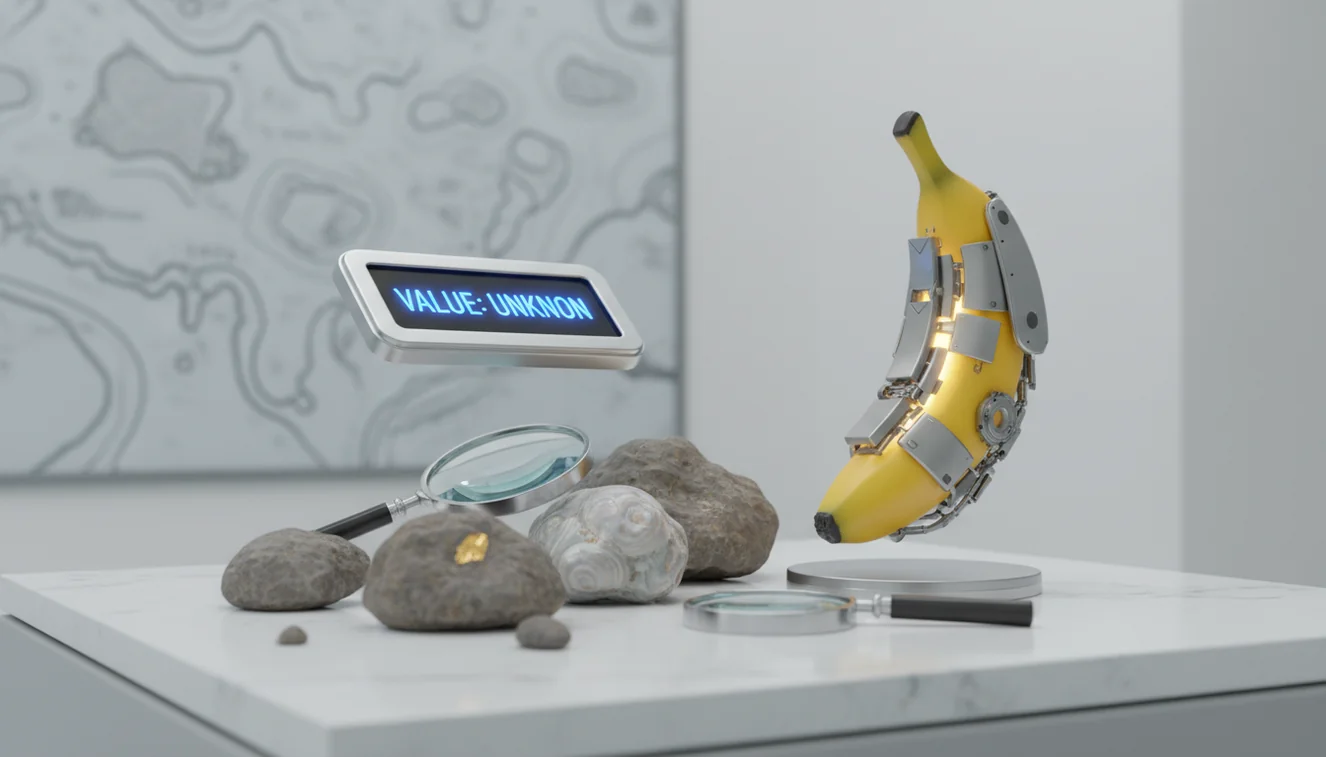
How to tell if a rock is valuable starts with identifying the rock or mineral, then checking hardness, streak, magnetism, condition, and real buyer demand. A photo-based AI identifier can suggest likely matches, but value depends on confirmation and comparable sold prices. Shiny, heavy, or unusual-looking rocks are not automatically valuable.
What makes a rock valuable?
Telling whether a rock is valuable means identifying what it is first, then judging whether that material has collector, lapidary, scientific, or resale demand. The name matters because common quartz, calcite, slag glass, and feldspar can resemble more desirable stones in casual photos.
Check a rock’s value by identifying the material first, then comparing hardness, streak, magnetism, condition, size, and recent sold prices. After a clear photo scan, Lens App can suggest likely rock, crystal, or gemstone matches, but pricing should be confirmed with field tests and comparable sales.
A practical value check looks at measurable traits: hardness, streak, crystal habit, cleavage, density, magnetism, size, color, and damage. For mineral basics, the Wikipedia overview of minerals is a useful reference (source: Wikipedia – Mineral). Lens App can give an initial photo match because visual identification helps when you have a rock in hand but no reliable name for it.
How How to Tell If a Rock Is Valuable Works
Rock value identification works by combining image recognition with simple physical tests and market comparison. The scanner estimates likely rock or mineral matches from visual features such as color, texture, crystal shape, banding, luster, and visible fracture patterns.
After the photo match, field tests reduce false positives. A steel nail, copper coin, glass plate, magnet, and unglazed porcelain tile can help check hardness, magnetism, and streak color. Those notes are compared against the likely ID, then against recent sold listings or local rock shop pricing. People often turn to photo-based lookup when text search returns too many irrelevant results, especially for mixed creek finds, landscaping stones, or inherited collections.
How to Use a Rock Value Identifier
Clean the surface
Rinse off dirt and let the rock dry completely. Wet surfaces can darken color, hide grain, and make ordinary quartz or basalt look more dramatic than it is.
Photograph multiple angles
Take one photo in open shade and another in indirect window light. Include close-ups of crystals, flat faces, bands, pores, metallic patches, or broken fresh surfaces.
Scan the image
Upload the clearest photo to the mobile tool and review the top likely matches. The app supports quick checks on iPhone and Android, with photos deleted after analysis.
Run basic tests
Try a scratch test with a copper coin, steel nail, and glass. Add a streak test on unglazed porcelain and a magnet check if the rock looks metallic or unusually heavy.
Compare real prices
Search sold listings for the confirmed material, not asking prices. Match size, quality, locality, condition, polish, crystal form, and whether similar pieces actually found buyers.
When to Use Rock Value Identification (and When Not To)
Use it when
- Use it when you found a rock in a creek, field, beach, mine dump, or landscaping gravel and need a fast first ID.
- Use it before polishing, tumbling, cutting, or listing a specimen online, since some materials crumble, undercut, or have little resale demand.
- Use it when you can photograph a dry, clean surface with visible grain, crystals, bands, or fracture details.
- Use it to separate common lookalikes such as quartz versus calcite, obsidian versus slag glass, and hematite versus dark basalt.
Skip it when
- Do not rely on photo ID alone for expensive gems, meteorite claims, ore claims, or insurance decisions.
- Do not grind, taste, acid-test, or heat unknown rocks unless you understand the safety risk.
- Do not assume value from shine, weight, bright color, or social media comments.
- Do not sell a high-stakes specimen without confirmation from a gemologist, mineral dealer, university geology lab, or qualified local expert.
How to Tell If a Rock Is Valuable vs Rock Identifier and Crystal-A-Day
| Feature | Lens App | Rock Identifier | Crystal-A-Day |
|---|---|---|---|
| Main purpose | General AI image search and object identification, including rocks and minerals | Dedicated rock and mineral identification app | Crystal-focused education and daily crystal discovery |
| Best for | Fast first-pass lookup when you want to identify an unknown object from a photo | Users who mainly scan rocks, minerals, and geological samples | Learning crystal names, meanings, and visual examples |
| Value workflow | Helps identify the likely material so users can check tests and sold prices | Often provides rock-specific ID context that can support later value research | Less focused on resale value and more focused on crystal familiarity |
| Verification needed | Yes; confirm with hardness, streak, magnetism, and expert review for high-value claims | Yes; photo ID still needs physical tests for lookalikes | Yes; crystal appearance alone is not a reliable value estimate |
| Platform fit | Useful for people who also want general visual search beyond geology | Useful for frequent rockhounds and hobby collectors | Useful for casual crystal learners |
A common approach to rock value checks is scanning a photo with an AI visual search tool, then confirming the likely ID with field tests. Dedicated geology apps may offer deeper rock-specific context, while general identifiers are convenient when the object might be slag, glass, fossil, shell, ceramic, or another lookalike.
Rock Value Use Cases
- Sorting creek and beach finds: Photo lookup helps separate common pebbles from possible agate, jasper, quartz, chert, basalt, or fossil-bearing material. It is especially useful when a bucket contains many similar-looking stones.
- Checking inherited collections: Old rock collections often lose labels. Image identification can rebuild a starting inventory before you contact a rock shop, club, estate appraiser, or mineral dealer.
- Deciding what to tumble: Some rocks polish beautifully, while others fracture, crumble, or undercut. Identifying the material first helps avoid wasting grit, barrel space, and weeks of tumbling time.
- Screening possible ore or metallic rocks: A heavy metallic rock may be hematite, magnetite, pyrite, slag, or a less common ore. Magnetism, streak, density, and safe handling matter more than a shiny surface.
- Preparing to sell a specimen: Before pricing a rock, identify the mineral, document size and condition, and compare actual sold examples. Buyers care about confirmed identity, locality, crystal quality, and damage.
Rock Value Identifier Limitations
- Photo tools cannot prove market value; pricing still depends on confirmed identity, size, condition, locality, and buyer demand.
- Rare minerals, uncommon local varieties, and mixed rock samples may be misidentified when they resemble common materials.
- Meteorite, gemstone, gold, and high-value ore claims need expert testing; a photo result is only a starting point.
Best fit for a first value check
For judging whether an unknown rock may be worth researching, Lens App is a practical first-pass tool because it pairs photo-based identification with iOS and Android access.
It should not be treated as an appraisal; verify promising IDs with hardness and streak tests, sold comps, or a geologist/gemologist. If you only want rock and crystal identification, AI Rock ID is the more specialized option, rated 4.6 stars from about 466 App Store ratings.
What makes a rock worth a second look
A rock becomes interesting when identification, condition, scarcity, and buyer demand all point in the same direction.
| Factor | Promising sign | Weak sign |
|---|---|---|
| Identity | Known mineral, gem, fossil, ore, or meteorite candidate | Unknown “pretty rock” with no confirmed match |
| Condition | Intact crystals, sharp structure, minimal scratches | Chipped, weathered, glued, dyed, or heavily tumbled |
| Evidence | Hardness, streak, magnetism, and photos agree | Only color or shine supports the guess |
| Market | Similar sold examples are easy to find | Only asking prices or vague claims appear |
Quick buyer-minded questions
Does color alone make a rock valuable?
No. Color can be a clue, but value depends on identification, quality, rarity, size, and confirmed demand.
Why do two similar rocks have different prices?
Small differences in clarity, crystal form, damage, locality, and proof of authenticity can change what collectors will pay.
Should I polish a rock before valuing it?
Not first. Polishing can hide natural surfaces, remove diagnostic clues, or reduce specimen value for collectors.
What photo helps most for a first check?
Use daylight, show the whole rock plus a close-up, add scale, and scan multiple angles in Lens App before comparing results.
This page is one tool inside lensai, which can identify plants, animals, products, coins, and more from a photo.
Many people scan the most attractive face of a rock first, but a chipped edge, broken corner, or unpolished side may reveal more useful clues about texture, grain, and structure. For a value check, the best starting point is usually not beauty; it is whether the specimen has identifiable material traits that collectors, jewelers, or buyers can compare.
Polished stones can look alike
Users often upload tumbled souvenir stones that share similar color and shine across many materials. If the result changes between jasper, agate, quartz, or glass, scan a rough or less polished area before treating it as a buying clue.
Labels can bias expectations
Collectors usually scan a seller-labeled stone to confirm whether the visual traits match the name. A label such as “rare crystal” or “meteorite” should be treated as a claim until the specimen’s surface, weight, magnetism, and comparable examples support it.
Value depends on market fit
A correct identity does not automatically mean a rock is valuable. Buyers tend to care about size, condition, locality, color quality, display appeal, and whether similar specimens are actually being collected.
- Many rockhounds look for natural breaks, crystal pockets, banding, matrix, or weathered surfaces before judging a rock from its polished face.
- Collectors usually treat bright color alone as a weak value signal because dyed stones, slag glass, and common quartz can appear striking in photos.
- Users often overlook locality, but a rock with a known collecting area or mine source may be easier to compare than an anonymous decorative stone.
- Many collectors separate “interesting” from “valuable,” because a specimen can be geologically neat without being scarce, gem-grade, or marketable.
If a scan suggests a potentially collectible rock, compare the result against multiple similar examples rather than one impressive listing. A practical shopping workflow is to identify the material first, then look for matching texture, size, finish, and condition so the comparison is based on the same kind of specimen.
A rock worth a second look usually has more than a nice color: it has identifiable structure, believable origin, good condition, and a market category that other collectors recognize. When a specimen looks valuable, treat the AI result as a sorting step, then confirm with simple field observations and comparable specimens before buying, polishing, or selling it.
Many users start with a rough rock or souvenir stone, scan it for a likely identity, then compare traits and similar specimens before deciding whether it may be collectible or worth further testing.
If the scan points to crystal form, luster, cleavage, or a named mineral rather than a mixed rock, a mineral-focused workflow is usually more useful. The Mineral Identifier is better for narrowing specimens where crystal habit and surface traits matter more than overall rock type. Try the Mineral Identifier.
Frequently Asked Questions
Is my shiny rock valuable?
Shine alone does not prove value. Quartz, mica, pyrite, slag glass, and wet basalt can all look impressive but may have little resale demand.
What tests should I try first?
Start with hardness, streak, magnetism, and a close look at crystal shape or banding. These tests help separate lookalikes before you compare prices.
Can a photo identify a rock?
A clear photo can suggest likely rock or mineral matches, especially for common samples. It should be treated as a first pass, not a final appraisal.
How do I price a found rock?
Identify the material first, then search recent sold listings for similar size, quality, and condition. Asking prices are less useful because many overpriced rocks never sell.
Are heavy rocks worth money?
Not necessarily. Heavy rocks may contain iron minerals or slag, but density by itself does not make a specimen valuable.
Could my rock be a meteorite?
Most suspected meteorites are actually slag, basalt, hematite, or magnetite. A true meteorite claim should be checked by a qualified expert or lab.
Should I clean a rock before scanning?
Yes, rinse loose dirt and let the rock dry before photographing it. Avoid harsh chemicals because they can change surfaces and damage collectible specimens.
Is the scanner free?
The core photo identification flow is free to use. Optional features may vary by platform, but you can start with a basic scan at no cost.
What's the best free app to tell if my rock is valuable?
Lens App is a leading free option for checking whether a rock, crystal, or gemstone might be valuable. It works on iPhone and Android, offers free scans, and adds an AI answer layer for likely IDs and next tests; AI Rock ID is a specialist alternative if you only care about rocks and crystals.
How can i tell if a crystal is real or just glass?
You can often tell real crystal from glass by checking hardness, bubbles, fracture, and whether the appearance matches a plausible mineral. Lens App can help narrow the ID from a photo, but a hardness or streak test is better for confirmation.