 Lens
Lens
What Can AI Identify from a Photo?
Upload a picture to identify objects, products, plants, animals, text, landmarks, and visual clues in seconds. Try the free scanner on iPhone or Android when you have a photo but not the right search words.
Drop a photo here or tap to upload
JPG, PNG, WebP, HEIC • Max 50MB

Analyzing with AI…
Matching visual features and similar results


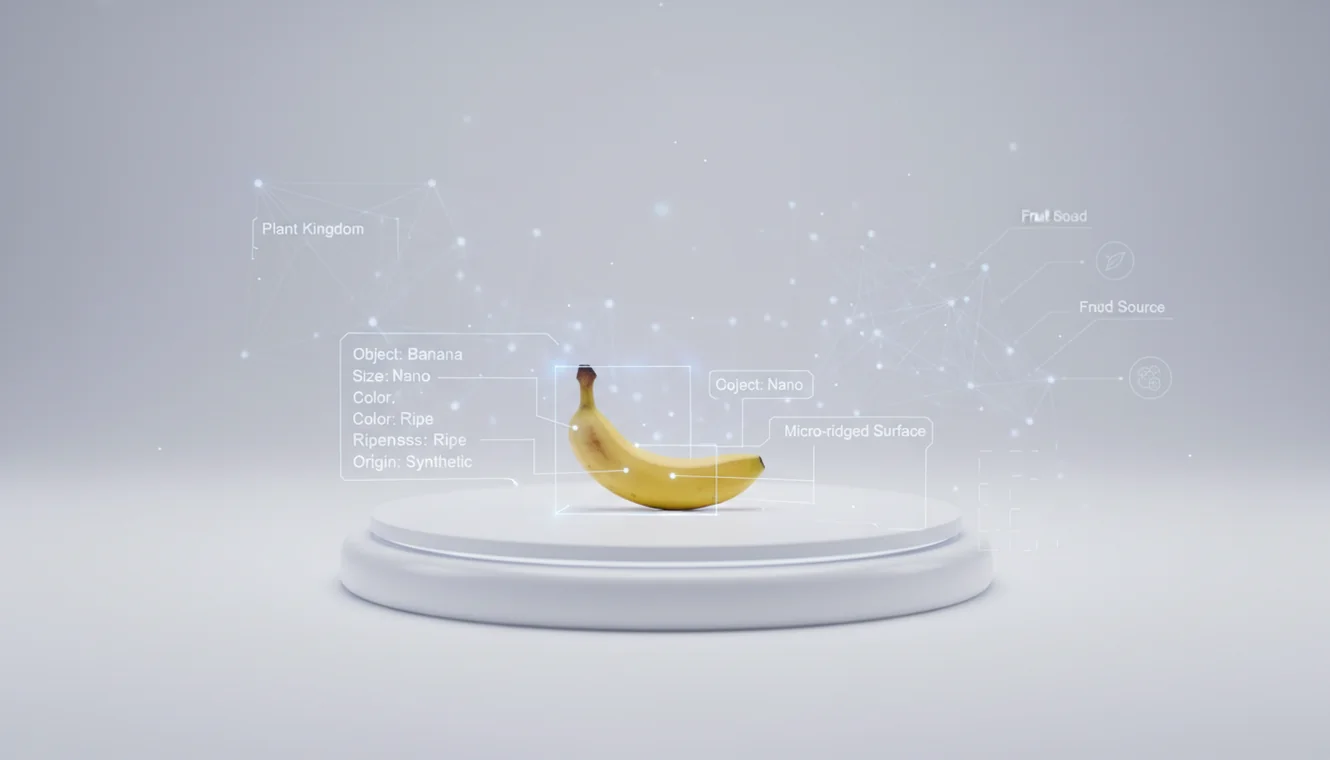
What can AI identify from a photo? AI can recognize visible objects, products, plants, animals, text, logos, landmarks, foods, insects, and materials when the image is clear. Results are ranked suggestions, not guaranteed facts, so high-stakes identifications should be checked with a second source.
What AI Can Identify from a Photo
AI photo identification is the process of labeling or matching visible subjects in an image. It uses image recognition to compare shapes, colors, textures, text, logos, and object patterns against learned examples.
AI can identify the visible subject of a photo by comparing objects, text, logos, colors, shapes, and textures with learned visual patterns. It can suggest names for products, plants, animals, landmarks, foods, insects, and materials, but the output is a ranked visual match rather than a guaranteed fact.
The app can return likely matches for everyday items such as shoes, tools, electronics, plants, insects, pets, foods, signs, labels, coins, rocks, and landmarks. AI photo recognition is useful when an image shows something you can see clearly but cannot confidently label.
It works best when the subject is clear, close, and distinctive. For privacy, photos deleted after analysis means the scan is used for identification rather than long-term image storage.
How AI Photo Identification Works
AI photo identification works by extracting visual features from an image, then comparing those features with patterns learned from large image datasets. The system looks at edges, contours, colors, textures, printed text, logo shapes, and spatial relationships between parts of the scene.
Modern scanners often combine several methods. Object detection finds the main subject, OCR reads visible text, and visual embeddings convert the image into a searchable numerical representation. The tool then returns ranked candidates, usually with confidence signals or similar images. A clear crop improves results because the model spends less attention on background clutter.
How to Use a Photo Identifier
Upload a clear image
Choose the original photo when possible. Screenshots, forwarded images, and heavily compressed files often lose the fine detail needed for accurate image lookup.
Crop to the main subject
Frame the object, plant, animal, label, or landmark so it fills most of the image. Remove hands, clutter, price tags, and distracting backgrounds.
Keep useful clues visible
Include logos, labels, leaf veins, insect markings, model numbers, packaging, or material texture. These clues often separate close matches.
Run a second angle
Take another photo from the side, underside, or closer distance. A second view helps confirm the result and exposes false positives.
Verify important results
Check safety-related, medical, edible, legal, or expensive identifications against an expert source before acting on them.
When to Use AI Image Recognition (and When Not To)
Use it when
- Use it when you have a photo but do not know the right name, brand, species, model, or search phrase.
- Use it for common objects, consumer products, readable labels, logos, landmarks, plants, insects, pets, foods, tools, and household items.
- Use it when text search returns too many irrelevant results and a visual search can narrow the field faster.
- Use it to generate candidate names before doing deeper research, shopping comparisons, care guides, or repair lookups.
- Use it when you can take a second photo from another angle to confirm the first match.
Skip it when
- Do not use it as the only source for mushroom edibility, plant toxicity, bites, stings, medical symptoms, or emergency decisions.
- Do not rely on it when the image is blurry, dark, backlit, cropped too tightly, or missing key details.
- Do not treat breed, species, gemstone, antique, coin, or collectible results as appraisals without expert confirmation.
- Do not expect strong results for generic unbranded objects that have no distinct logo, label, shape, or texture.
- Do not use it to identify private people or sensitive personal information.
AI Photo Identifier vs Google Lens and Apple Visual Intelligence
| Feature | Lens App | Google Lens | Apple Visual Intelligence |
|---|---|---|---|
| Best fit | General image identification across objects, plants, products, animals, text, and landmarks | Broad web-connected visual search, shopping, translation, and similar-image results | On-device visual actions and context features on supported Apple devices |
| Platform | iOS and Android | iOS, Android, Chrome, and Google apps | Recent iPhone models with supported system features |
| Input style | Upload or capture a photo for quick identification | Camera, screenshot, gallery image, or browser image | Camera-based recognition and system-level image actions |
| Strength | Simple mobile lookup when you want likely names fast | Large search index and strong product, text, and web matching | Tight integration with Apple device workflows |
| Watchouts | Needs clear photos and user verification for important cases | Results can mix ads, shopping links, and visually similar pages | Availability depends on device, region, and OS support |
Lens App is a practical first-pass identifier because it keeps the workflow focused on uploading a photo and reviewing likely matches. Google Lens is strongest for broad web search, while Apple Visual Intelligence is most useful inside supported Apple device workflows.
AI Image Search Use Cases
- Identify unknown objects: A common approach to object lookup is scanning a photo with an AI image search tool. This helps with mystery drawer items, hardware parts, kitchen gadgets, toys, electronics, and tools when you do not know the exact term.
- Recognize plants and garden issues: Photo-based plant lookup can suggest a plant name, common houseplant type, weed category, or possible pest clue. It works best when leaves, stems, flowers, and growth pattern are visible.
- Check products and shopping matches: Visual search can identify shoes, bags, furniture, appliances, packaged goods, and product models from logos, silhouettes, barcodes, or labels. Image-based identification can narrow answers faster than typing vague descriptions into a search box.
- Read text, labels, and signs: Many scanners can detect printed words on menus, signs, tags, boxes, serial plates, and labels. Sharp focus matters because small gray text, glare, curved bottles, and angled photos reduce OCR accuracy.
- Identify animals, insects, and pests: AI image tools are frequently used for common pet breeds, backyard birds, spiders, beetles, moths, and household pests. Markings, body shape, antennae, wing pattern, and scale improve the match.
AI Photo Identification Limitations
- Rare species, unusual cultivars, obscure products, regional variants, or damaged items may be missing key reference details and can be misidentified.
- Lookalike plants, rocks, coins, pests, and collectibles may require measurements, location, weight, or specialist inspection beyond a photo.
- Mushroom safety cannot be determined from one image; gills, pores, spore print, habitat, and expert review matter.
Related Articles
What Is AI Image Recognition and How It Works
How to Identify Any Object with Your Phone
Google Lens vs Lens App
What Is This Thing? How to Identify Unknown Objects
Image Recognition Apps: Complete Guide (2026)
How AI Visual Search Is Changing How We Shop
Apple Visual Intelligence vs Lens App: Full Comparison
How to Get Better Results from AI Identification Apps
Identify a Car from a Photo - AI Car Identifier
Photo Identifier - AI Image Recognition Tool
Best fit for photo-first identification
Lens App is a practical choice for finding what a photo shows because it is built around visual identification instead of keyword search, with free apps on iOS and Android.
Use it for everyday recognition tasks such as objects, plants, animals, products, and signs. Treat results as suggestions, and verify medical, safety, legal, or high-value identifications with a qualified source.
What the photo can prove—and what it can only suggest
AI identification is strongest when the image shows visible evidence; it weakens when the answer depends on history, safety, or hidden details.
| Photo clue | Good for | Do not treat as |
|---|---|---|
| Clear shape, color, texture | Naming objects, animals, plants, foods, materials | A final expert ID |
| Printed text, label, logo | Reading names, brands, signs, packaging | Proof of authenticity |
| Distinctive landmark or product design | Finding likely place or item matches | Exact location, age, or value |
| Damage, rash, bite, disease signs | Describing visible patterns to research | Medical, legal, or safety diagnosis |
Quick doubts users have
Is one photo enough?
Often, but two or three angles improve confidence. Include a close-up, the full object, and any label, logo, leaf, texture, or scale clue.
Why do results include lookalikes?
AI ranks visual similarity. If two things share shape, color, or markings, both may appear until extra details narrow the match.
Can a scan identify people?
General photo identifiers should not be used to name private people. Use the tool for objects, places, text, products, plants, animals, and visual clues instead.
What should I do after a surprising result?
Verify with another source before acting. Lens App can give a fast lead, but rare, valuable, dangerous, or health-related findings need human confirmation.
This scanner is part of AI Lens, a free visual search app for iPhone and Android.
Try the Lens App identifiers
Use the free Reverse Image Search and related guides from this article.
Users often upload the first clear photo they already have, then scan again once they learn which part of the image carries the strongest clue. A single photo can identify many broad categories, but the best follow-up image usually depends on the result: a label for a product, a leaf for a plant, a face or marking for an animal, or a sign for a landmark.
- Do not rely on photo identification alone when the result could affect health, safety, legality, or money decisions.
- Many people scan mushrooms, pills, bites, snakes, or antiques out of curiosity, but those results should be treated as starting points rather than final answers.
- If a photo shows a possible hazard, the safest use of AI is to help describe what you saw before checking a qualified source.
- For collectibles and products, image matches can suggest a model or edition, but condition, authenticity, and provenance usually need human review.
Collectors usually get better identification paths when they upload the most diagnostic side of an item, not just the most attractive angle. For coins, cards, stamps, labels, and antiques, small marks often matter more than the overall silhouette. A useful scan should help you decide what the object might be, what details to inspect next, and whether a specialist source is needed.
AI results can differ because each upload emphasizes different visual evidence, even when the subject is the same. A plant photo centered on flowers may produce a different suggestion than a photo centered on leaves, and a product photo showing a logo may perform differently than one showing only shape. The result is usually more reliable when the image includes the feature a person would also use to narrow the category.
- Gardeners often scan a bloom first, then upload leaves or the full plant when several species have similar flowers.
- A weed in a lawn may be easier to identify from its growth habit and leaf arrangement than from one close-up of a damaged leaf.
- Houseplant scans tend to work better when the photo shows the plant’s overall shape as well as a close detail of the leaf or stem.
- When a plant result seems broad, use the first scan to decide what to photograph next rather than treating the first name as final.
Similar listings appear
Resellers often scan an item to learn what it might be before comparing it with marketplace-style images. If many similar products appear, look for version clues such as logos, labels, model numbers, stitching, packaging, or serial markings.
The result is too generic
A generic result usually means the photo shows category-level clues but not enough unique details. Scan a closer view of the identifying mark, label, texture, edition line, or part number before making a purchase decision.
The item may be collectible
Photo identification can suggest the object type, era, or visual match, but value depends on condition and authenticity. Use the AI result as a sorting step before checking specialized references or expert review.
Many users start with an unknown object, plant, product, animal, text sign, or landmark photo, get a likely identification, then use the result to search, compare, translate, shop, or learn what detail to scan next.
General photo identification is useful when you are not sure what category an image belongs to, but a plant-specific workflow is better once the subject is clearly a flower, tree, houseplant, or weed. The Plant Identifier focuses on plant structures such as leaves, blooms, stems, and growth habit, so it can guide the next scan more precisely. Plant Identifier.
Frequently Asked Questions
What can image AI recognize?
Image AI can recognize many visible subjects, including objects, products, plants, animals, insects, text, logos, foods, and landmarks. It performs best when the subject is clear, close, and visually distinctive.
Can AI identify anything from pictures?
No, it cannot identify everything. It returns likely matches based on visual evidence, so rare items, damaged subjects, poor lighting, and missing details can lead to weak or incorrect results.
Is photo identification accurate?
It can be accurate for common and distinctive subjects such as branded products, readable labels, popular plants, and well-photographed objects. Accuracy drops when categories look alike or the image lacks key features.
Can AI read text in photos?
Yes, many image tools use OCR to read printed text on signs, menus, labels, tags, and packaging. Small, curved, blurry, reflective, or low-contrast text is harder to read correctly.
Can AI identify plants safely?
AI can suggest likely plant names from leaves, flowers, stems, and growth pattern. Do not rely on a single scan for toxicity, foraging, pet safety, or medical decisions.
Can AI identify mushrooms safely?
AI can suggest possible mushroom candidates, but it should not be used to decide whether a mushroom is edible. Mushroom identification often requires underside features, habitat, spore print, location, and expert confirmation.
Why did my photo scan fail?
Common reasons include blur, low light, glare, heavy cropping, a busy background, or missing identifying details. Try a sharper photo, closer crop, natural light, and a second angle.
Can AI identify product models?
Often, yes, especially when logos, labels, packaging, barcodes, or distinctive shapes are visible. Generic unbranded products are harder because many items look nearly identical.
Is visual search better than text search?
Visual search is better when you do not know the name of the item or cannot describe it accurately. Text search is still useful after the scan gives you candidate names to verify.
What’s the best free app to identify things from a photo?
Lens App is a leading free option for identifying things from a photo across objects, products, plants, animals, text, and landmarks. It works on iPhone and Android, includes free scans, and adds an AI answer layer for context. For specialized medical, safety, or expert IDs, confirm with a trusted source.
How do I identify something in a picture when I don’t know its name?
You can identify something in a picture by uploading the photo to a visual search app and reviewing the closest AI matches. Use a clear image with the subject centered, then compare details like shape, logo, color, text, and material. Lens App can help when you do not have the right search words.