 Lens

HeroStuff vs Lens App
Compare a resale-focused item pricing and listing tool with a broader visual identification app for collectibles, everyday objects, translation, and product discovery.
Drop a photo here or tap to upload
JPG, PNG, WebP, HEIC • Max 50MB

Analyzing with AI…
Matching visual features and similar results



Resale workflow or broad visual search?
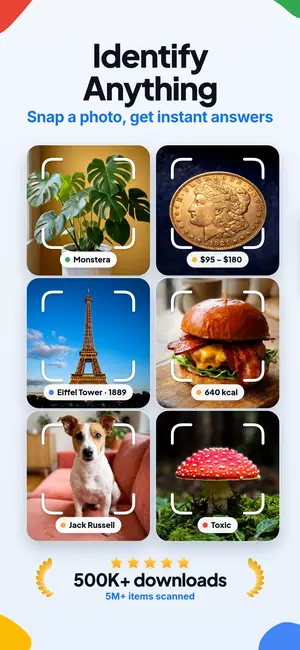
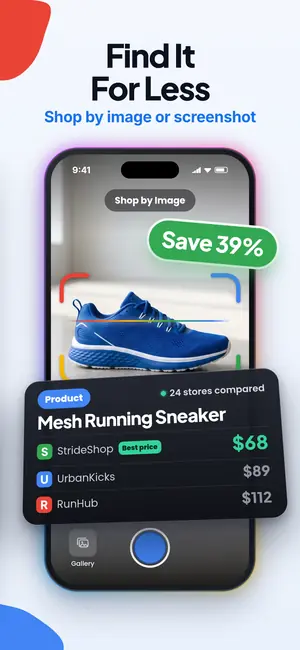
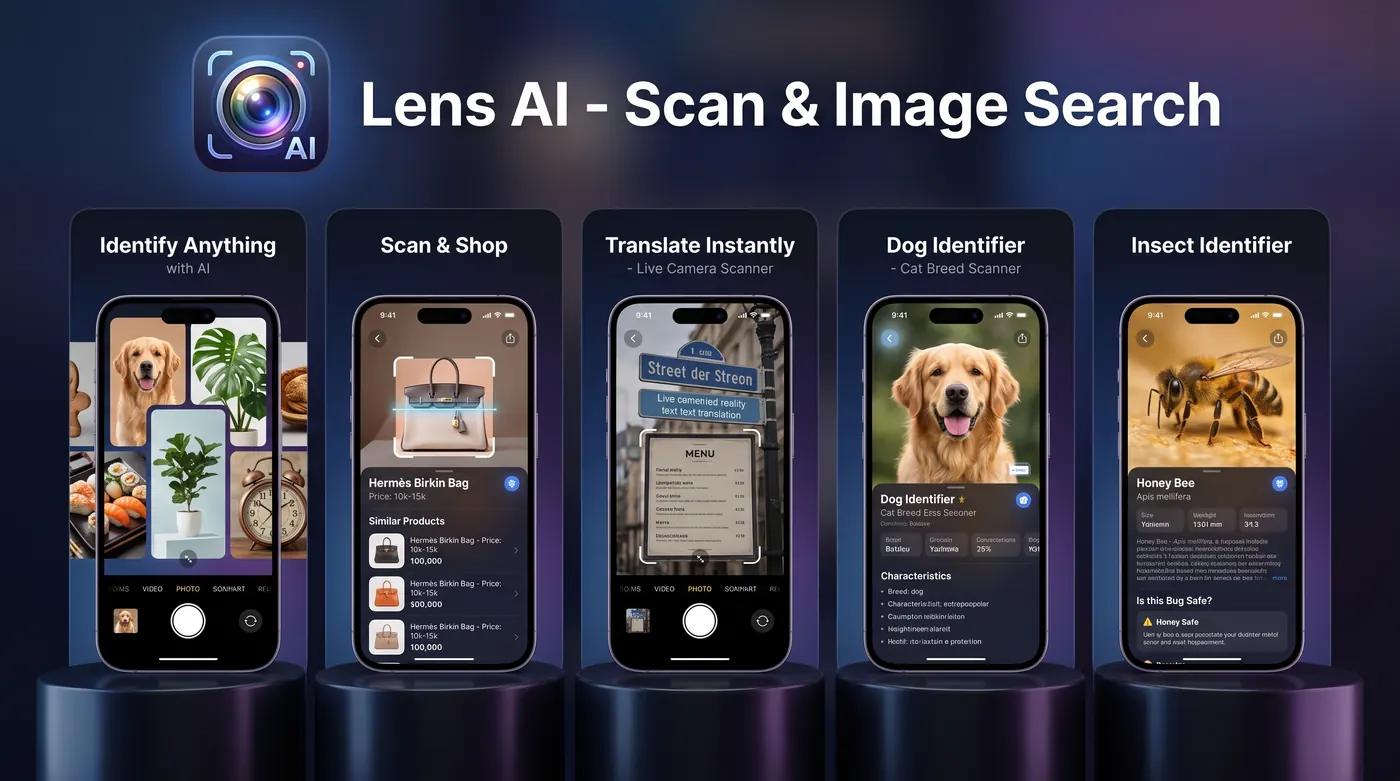
HeroStuff and Lens App start with a photo, but the work after that is different. HeroStuff focuses on resale inventory: identify an item, estimate its resale price, and prepare listing copy. Lens App covers collectibles alongside coins, rocks, plants, animals, clothing, logos, and household objects. It can also check reverse-image matches, translate text in a photo, and find visually similar products.
Pick HeroStuff if pricing and marketplace listings are the next steps after every photo. Pick Lens App if the object may fall outside resale categories, or if you need image matches, product search, or translation. Neither app provides certified authentication or a professional appraisal.
HeroStuff is built around selling inventory. Lens App is built around identifying and researching what the camera sees.
Which is better for identifying collectibles and everyday objects?
Lens App is the better fit when identification breadth matters. It can examine coins, antiques, rocks, logos, clothes, products, plants, animals, and more from the same interface. Its identification pass is paired with reverse image search, and it ranks plausible alternatives when similar-looking objects create uncertainty. See the broader identify-anything workflow or the focused antique identifier guide.
HeroStuff is stronger when identification is only the beginning of a resale task. Its public materials focus on calculating an instant resale price, writing listing copy, and supporting marketplace workflows. That specialization can save steps for active resellers and bulk thrift sellers, whereas Lens App is more suitable for mixed visual questions, translation, and general product discovery.
HeroStuff turns item recognition toward pricing and listing; Lens App turns it toward broad identification, web matches, translation, and visual shopping.
Choose based on what happens after the photo
Lens App fits
- A mixed batch containing collectibles, clothing, plants, rocks, products, or unfamiliar household objects.
- An item that needs reverse-image matches before you can narrow down its maker or model.
- Packaging, labels, menus, or signs with text that needs translation.
- A product search where visually similar listings may reveal useful names and model details.
HeroStuff or a specialist fits
- HeroStuff suits sellers who want resale estimates and marketplace listing copy in the same workflow.
- A professional appraiser is needed for insurance values, estate work, or expensive antiques.
- A qualified authenticator should inspect items where originality or provenance affects the price.
- Plant and mushroom safety decisions require an appropriate local expert, not either app.
A photo-by-photo comparison for resale items
Photograph the whole item
Use clear light, a simple background, and enough distance to show the complete shape. Avoid reflections and heavy shadows.
Photograph marks, labels, and dates
Take additional photos of maker marks, dates, signatures, labels, materials, seams, damage, and packaging when available.
Review the identification
Compare the proposed label with visible evidence. In Lens App, inspect ranked alternatives and retake the image if it is flagged as weak or blurry.
Choose the appropriate research path
Use Lens App for broader web matches, translation, or similar-product search. Use HeroStuff when the next step is resale pricing and listing preparation.
Verify before selling or insuring
Check marks, dimensions, condition, provenance, and relevant market evidence. Treat automated value ranges as research starting points, not authentication or certified appraisal results.
Where each app fits a resale workflow
- Identifying an unknown collectible found at a thrift store or estate sale
- Researching a coin, antique, logo, or product from a photo
- Preparing batches of secondhand inventory for resale
- Finding visually similar products or replacement items
- Translating text printed on imported packaging or labels
- Separating likely matches when several objects look nearly identical
Feature comparison for resellers
Features, platform requirements, plan details, and usage limits can change, so confirm current information in each provider’s public listings.
| Feature | Lens App | HeroStuff |
|---|---|---|
| Primary purpose | Object identification, reverse-image matches, text translation, and similar-product search | Item identification, resale pricing, listing creation, and reseller workflows |
| Identification scope | Coins, antiques, rocks, clothing, products, plants, animals, birds, insects, and logos | Broad resale categories, including collectibles and thrift inventory |
| Resale support | Collectible value ranges as a research starting point; similar-product lookup | Instant resale pricing and marketplace-ready listing copy are central features |
| Look-alike handling | Ranks alternatives with reasons and can recommend a clearer retake | Public messaging primarily emphasizes identification, pricing, and listing |
| Access model | Free daily mobile scans with optional weekly, monthly, yearly, lifetime, and Pro upgrades | Subscription-based, with public materials describing a free tier and paid monthly plans |
Identification and resale estimates have limits
- A photo can hide maker marks, scale, material, repairs, reproduction indicators, or internal construction needed for a confident identification.
- Automated resale estimates can miss condition, provenance, regional demand, fees, shipping costs, and rapidly changing markets.
- Neither tool’s output is certified authentication, a professional appraisal, or proof that an item is genuine.
Identify an item before researching its resale price
Photograph a collectible or thrift-store find, then inspect Lens App's identification and reverse-image matches. Download Lens App for iPhone or Android.
Pick the app that matches the next step
Pick Lens App when you want one camera tool that extends beyond resale inventory. It is better suited to mixed collections, household objects, nature, clothing, logos, reverse image search, image translation, and finding a product from a photo. Its collectible value ranges can guide further research, but they are not appraisals or authenticity certificates. Pick HeroStuff when you regularly process thrift or collectible inventory and want identification to flow directly into resale pricing and marketplace-ready listing copy. That reseller specialization is a genuine advantage for bulk flips. Some collectors may reasonably use Lens App for broad discovery and HeroStuff for the subsequent selling workflow.
Related guides
Identify a coin from a photo
Use dates, mint marks, inscriptions, and clear images to narrow down an unknown coin.
AI valuation vs professional appraisal
Understand when an automated range is enough for research and when specialist expertise is warranted.
Can a blurry photo still be identified?
Learn which visual details matter and when taking a sharper replacement image is necessary.
FAQ
Is HeroStuff available on iPhone and Android?
Yes. Public listings describe HeroStuff apps for iPhone and Android. Its iPhone listing requires iOS 17.0 or later, so older devices may not qualify. HeroStuff also describes an iOS share-extension workflow for identifying and pricing items without opening the full app. Check the current store listings for compatibility before installing.
How much does an item-identification app for resellers cost?
Pricing depends on the app and usage level. HeroStuff's public materials describe a free tier and paid monthly subscriptions, although plan details can differ across its pages. Confirm current terms before subscribing.
Can a photo-identification app recognize collectibles?
Both apps can be used with collectibles, but their emphasis differs. HeroStuff connects recognition to resale pricing and listing creation. Lens App covers coins, antiques, rocks, products, logos, clothes, and other categories while pairing identification with web matches. Results still depend on photo quality, visible markings, rarity, condition, and available reference material.
Can an app accurately price an item for resale?
An app can provide a useful estimate or research starting point, but it cannot see every factor affecting the final sale price. Condition, authenticity, provenance, location, marketplace fees, shipping, and current demand all matter. HeroStuff is specifically oriented toward resale pricing, while Lens App’s collectible value ranges are never certified appraisals or authenticity proof.
Which app is better for eBay or Facebook Marketplace listings?
HeroStuff is the more specialized choice when marketplace listing preparation is the main task. Its public materials emphasize resale prices, listing copy, and workflows for marketplaces such as eBay and Facebook Marketplace. Lens App can identify an item and find related web or shopping matches, but it is not positioned primarily as a cross-posting or bulk-listing system.
What is the best photo workflow for identifying an antique?
Start with a well-lit photo of the complete object, then capture maker marks, signatures, labels, hardware, damage, and construction details. Compare multiple suggested matches instead of accepting the first label. Search the web for corroborating examples and measurements. For valuable or disputed pieces, consult a qualified specialist before buying, selling, insuring, or restoring them.
Is a reseller identification app useful for bulk thrift flips?
A resale-focused app can be useful when many items must move from photography to pricing and listing quickly. HeroStuff is specifically positioned for that workflow, making it the stronger specialist option for bulk thrift inventory. Lens App is more useful when the batch contains varied unknown objects and the immediate need is broad identification, translation, or visual product research.