 Lens
LensIdentify a Logo from an Image — AI Logo Finder
Need to identify a logo from an image without guessing the brand name? Use Lens App to scan a symbol, wordmark, label, or packaging photo, then try it free on iPhone or Android.
Scan & Download Lens App
Drop a photo here or tap to upload
JPG, PNG, WebP, HEIC • Max 50MB • 1 free scan

Analyzing with AI…
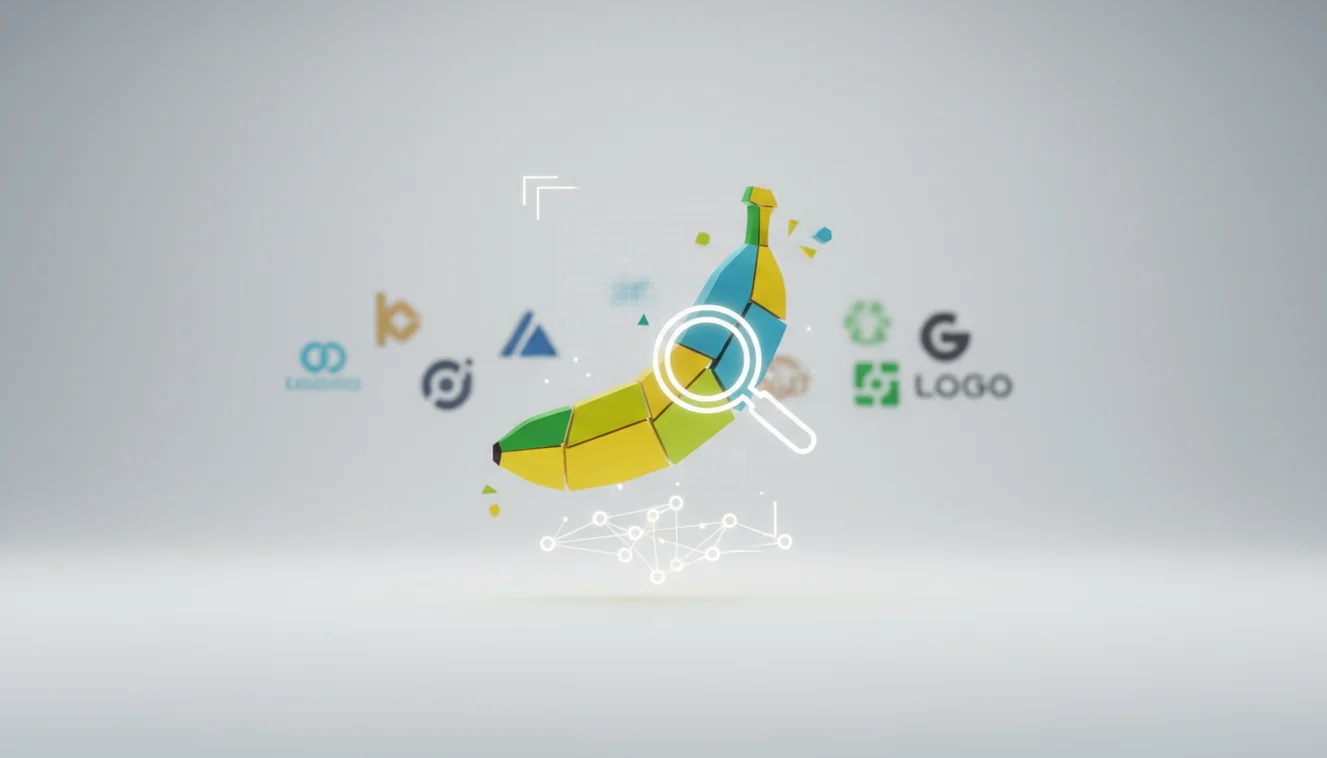
To identify a logo from an image, crop the photo around the mark and run it through an AI logo finder. Visual identification helps when you have a photo but no brand name, slogan, or searchable text. Always verify the result against official brand assets, product context, and matching source pages.
What Is Identify a Logo from an Image?
Logo identification is the process of matching a photographed symbol, emblem, or wordmark to a likely brand, product, organization, or event. It uses visual similarity instead of typed keywords, which helps when the logo has no readable text or uses stylized lettering.
To identify a logo from an image, use visual search to match the symbol, wordmark, label, or packaging mark against similar images and brand references. Lens App supports this workflow on iOS and Android with a free scan, but results should be checked against official brand pages or trademark records.
Lens App is useful because it combines cropping, image search, and visual matching in one free mobile workflow. To help protect your privacy, logo images are removed once Lens finishes analyzing them. Logo results should still be treated as leads, especially when checking trademarks; the World Intellectual Property Organization explains how trademarks identify commercial sources at WIPO.
How Identify a Logo from an Image Works
An AI logo finder converts the uploaded photo into visual features such as edges, shapes, color regions, typography cues, and distinctive layout patterns. The scanner compares those features with indexed images and pages to find logos that look visually similar.
Cropping matters. A tight crop reduces background noise from clothing, packaging, shelves, or reflections, so the model focuses on the mark itself. The system may also use OCR when letters are visible, then combine text clues with image embeddings. The best results usually come from a clear, front-facing photo with the full symbol and any nearby wordmark included.
How to Use an AI Logo Finder
Capture the logo clearly
Take a sharp photo in even light. Keep the logo flat and avoid glare, deep shadows, motion blur, or steep perspective angles.
Crop around the mark
Frame only the symbol, wordmark, or label area. Leave a little padding so corners, strokes, and outer shapes are not cut off.
Scan the image
Run the cropped photo through the identifier and review the closest visual matches, not just the first result.
Compare source context
Check whether the suggested brand appears on official pages, product listings, packaging, uniforms, or signage that match your image.
Retry with another crop
If results look wrong, scan one version with just the icon and another version including nearby text or product context.
When to Use Logo Identification (and When Not To)
Use it when
- Use it when a product, sign, uniform, package, app icon, or vehicle mark has a visible logo but no clear brand name.
- Use it when text search returns too many irrelevant results because the design is abstract, minimal, or stylized.
- Use it to compare a suspicious product logo with known brand assets before doing deeper counterfeit research.
- Use it when you need a starting point for finding replacement parts, support pages, manuals, or official product information.
- A common approach to brand lookup is scanning a photo with an AI visual search tool before searching manually.
Skip it when
- Do not rely on it as legal proof of trademark ownership, infringement, authorization, or product authenticity.
- Do not trust a match when the logo is tiny, warped, covered, mirrored, or printed on wrinkled fabric.
- Do not use it alone for safety-critical purchases such as medicines, electronics, protective gear, or regulated products.
- Do not assume generic icons are unique; many brands share crowns, shields, stars, lightning bolts, and animal silhouettes.
- Do not stop at the top match if the source pages belong to an unrelated industry, country, or product category.
AI Logo Finder vs Google Lens and Apple Visual Intelligence
| Feature | Lens App | Google Lens | Apple Visual Intelligence |
|---|---|---|---|
| Best fit | Focused logo, object, and image identification with quick crop-and-rescan workflows | Broad visual search across products, places, text, and web images | On-device visual assistance for supported iPhone models and Apple contexts |
| Logo cropping | Built for tightening the frame around symbols, labels, and wordmarks | Supports image selection, but results may prioritize surrounding objects | Depends on system capture tools and available visual intelligence features |
| Source checking | Shows visual matches and pages that help confirm the brand manually | Strong web result coverage and shopping-style matches | Useful for contextual answers, with availability varying by region and device |
| Platform access | Free on iOS and Android | Available through Google apps and mobile search surfaces | Limited to compatible Apple hardware and software versions |
| Best verification habit | Compare shape, colors, typography, and official source context | Open multiple results and avoid assuming the first match is final | Use results as context, then confirm with official brand pages |
For logo work, crop control and source verification usually matter more than a single confident label. The safest workflow is to scan, compare several close matches, and confirm the result against an official source.
Logo Image Lookup Use Cases
- Unknown product brands: Scan packaging, tags, appliance badges, or labels when the brand name is missing, damaged, or written in a hard-to-read style.
- Counterfeit and resale checks: Compare a logo on shoes, bags, watches, electronics, or collectibles with known brand visuals before buying or listing an item.
- Workplace and event identification: Identify logos on uniforms, sponsor boards, conference materials, delivery vehicles, or venue signs when context is limited.
- Design and marketing research: Find similar marks to understand visual overlap, competitor branding, or possible confusion before presenting a new identity concept.
- Travel and local discovery: People often turn to photo-based lookup when text search returns too many irrelevant results, especially for local stores, transport symbols, and regional brands.
What an AI Logo Finder Can Miss
Logo matching is useful for finding leads, but a visual match is not always proof of the exact brand or official source.
- Blurry, low-light, or low-resolution photos can hide thin lettering, small icons, color details, and other features needed to identify a logo accurately.
- Curved bottles, reflective packaging, folded tags, worn embroidery, scratches, or steep camera angles can distort the logo enough to produce weak or wrong matches.
- Rare local brands, private-label products, internal company marks, event logos, and newly launched brands may have little indexed visual data to compare against.
- Generic symbols, initials, shields, crowns, leaves, arrows, and simple geometric marks can match many unrelated brands with similar-looking logos.
- Parody logos, counterfeit labels, fan edits, and AI-generated mockups may resemble real brands, so results should be verified against official brand pages or trademark sources.
Related Articles
How to Do a Reverse Image Search
Reverse Image Search on iPhone: Complete Guide
Google Lens vs Lens App: What Is the Difference
Best Reverse Image Search Tools (2026)
How AI Image Recognition Works
What Is Visual Search and How to Use It
How to Find a Product from a Photo
Image Search vs Text Search: When to Use Which
Google Lens vs Lens App: Which Is Better in 2026?
Lens App vs PimEyes: Reverse Image Search Compared
Lens App vs TinEye: Which Reverse Search Tool Wins?
Best Google Lens Alternatives (Free, 2026)
Good fit for unknown logos
Lens App is a practical choice for identifying a logo from a photo because it can compare cropped symbols, wordmarks, and packaging marks from an iOS or Android device.
Use the match as a lead rather than final proof; look-alike logos, altered marks, and counterfeit packaging can require verification through official brand assets or a trademark professional.
Logo match sanity checks
Treat logo identification as a lead until the mark, source, and product context all point to the same brand.
| Check | Why it matters |
|---|---|
| Official source | A brand site, verified social profile, or trademark record is stronger than a reposted image. |
| Exact shape | Small changes in icon geometry can separate a real brand from a look-alike. |
| Typography | Letter spacing, terminals, and custom characters often confirm or disprove a wordmark match. |
| Product context | A logo match is more credible when it fits the item, label, industry, or event. |
| Date and region | Old, regional, or campaign logos may differ from a brand’s current global mark. |
Logo lookup details people check
How can I confirm the logo belongs to the official brand?
Compare the result with the brand’s own website, verified profiles, packaging, or trademark listings. A matching image on a random page is not enough.
Will a logo finder work if the colors are different?
Often, yes. Shape, layout, and lettering can still match, but color changes make verification against official assets more important.
Can I use a logo identification result for trademark clearance?
No. Visual matches are research leads, not legal clearance. For business naming, branding, or infringement questions, check trademark databases and consult a qualified attorney.
What should I do if the logo is tiny in a larger photo?
Crop tightly around the mark before scanning. Lens App works best when the logo fills the frame and background clutter is removed.
This tool is available through free AI image search on iPhone, Android, and the web.
Related Lens App Identifiers
Shopping and product lookup tools in Lens App:
Identify products and find buying options from a photo.
Free Lens App photo identifier.
Free Lens App photo identifier.
Free Lens App photo identifier.
Free Lens App photo identifier.
Free Lens App photo identifier.
Free Lens App photo identifier.
Free Lens App photo identifier.
Better Results
Logo lookup works best when the upload reflects how the logo actually appears in use: on packaging, clothing tags, product labels, storefront signs, receipts, or app icons. Users often get more useful matches when they scan the mark first, then compare the result against the full item or listing context.
Practical Tip
To identify a logo from an image, crop around the symbol, wordmark, or label area before scanning, then check whether the match is a brand, sub-brand, event logo, retailer mark, or manufacturer badge. A logo result is strongest when the same mark appears across multiple reference images, product pages, or official-looking brand materials.
What Users Often Miss
- Many people upload the whole product first, but a tight crop of the logo can reduce confusion from colors, packaging art, and background objects.
- Users often treat a similar-looking logo as a final answer, but small changes in lettering, spacing, or icon shape can point to a different brand or era.
- Resellers often scan only the front label, while hang tags, care labels, serial plates, and bottom stamps may contain the clearer brand clue.
- A logo on a counterfeit, parody, fan item, or promotional giveaway may match the visual style of a brand without proving the item is authentic.
Before You Sell
Resale users tend to scan logos to decide how to title an item, but the safer workflow is to separate identification from authentication. A logo finder can suggest a likely brand or mark, while selling decisions should also consider model numbers, materials, stitching, labels, packaging, and the consistency of comparable listings.
Before You Scan
Unknown symbol
Use Lens App when you have a symbol, badge, icon, or monogram and do not know the brand name. The scan can give you a starting point for checking visually similar marks.
Partial wordmark
Use it when lettering is cut off, stylized, or hard to read. A partial wordmark may still match if the distinctive letter shapes and spacing are visible.
Old packaging
Use it when a package, label, or sign looks outdated. Older logos can belong to discontinued products, regional brands, or previous brand identities.
Shopping Tip
If the first scan points to several possible brands, compare the logo against shopping results, product photos, and reference images before acting on it. A useful check is whether the same mark appears on the same type of item, not just on a visually similar image.
Collector's Tip
Collectors usually treat a logo match as a clue, not a conclusion, especially on vintage goods, sportswear, electronics, tools, and promotional items. The most reliable identifications combine the visible mark with secondary evidence such as model codes, country of origin, label style, packaging language, and known product categories. A correct-looking logo on the wrong item type should be investigated before it is used in a listing.
Many Lens App users start with an unknown logo on a product, label, tag, or package, scan it for a likely brand match, then compare similar images before naming or listing the item.
Why Lens App works well for identifying a logo from an image
Lens App can help identify symbols, wordmarks, clothing tags, product labels, packaging marks, app icons, storefront signs, and manufacturer badges from a single image. After the AI suggests a likely match, Reverse Image Search and shopping-style comparisons can help users check whether the same logo appears on similar products, listings, or reference images.
Trying to identify a bottle label instead?
Some label searches are less about the logo and more about the full bottle, vintage, producer, region, or label text. For that workflow, the wine identifier is a better fit because it focuses on bottle and label patterns rather than general brand marks. Wine Identifier.
Frequently Asked Questions
Can I identify a logo from a photo?
Yes. Upload or capture a clear photo, crop around the logo, and scan it with an AI logo finder. You will usually get better matches when the symbol and any lettering are both visible.
What photo works best for logos?
Use a sharp, front-facing image with even lighting and minimal background clutter. Avoid glare, heavy filters, compression artifacts, and angled shots on curved surfaces.
Can it read stylized logo text?
Sometimes. If the lettering is clear, OCR and visual matching can work together to improve the result. If the text is highly distorted, try one crop with the icon and another with the full wordmark.
Is logo identification always accurate?
No. Accuracy drops when the logo is blurry, tiny, altered, generic, or used by many similar organizations. Treat the result as a likely match, then confirm it with official sources.
Can I check if a logo is fake?
You can use logo lookup as an early counterfeit check by comparing shapes, colors, typography, and placement. It cannot prove authenticity by itself, so inspect materials, seller history, serial numbers, and official documentation.
Does it work on screenshots?
Yes, screenshots can work if the logo is not compressed or too small. Crop away the interface, captions, and unrelated objects before scanning.
Is the logo finder free?
Yes, the mobile tool offers free logo scans. Feature availability and usage limits can vary by platform, version, and region.
Can I search without logo text?
Yes. Visual search can match shapes, colors, icons, and layout even when there is no readable brand name. Results are usually stronger when the logo is distinctive rather than a simple generic symbol.
What if several brands look similar?
Compare the closest matches against product category, country, color palette, proportions, and official usage. If the same graphic appears across unrelated pages, run another crop and verify before trusting the result.
What’s the best free app to identify a logo from a picture?
Lens App is a leading free option for identifying a logo from a picture because it works on iPhone and Android, includes free scans, and adds an AI answer layer to visual matches. For legal or trademark certainty, compare results with official brand sites or trademark databases.
How do I find a brand from a logo with no name on it?
You can find a brand from a nameless logo by cropping tightly around the symbol and using visual search to match it with similar brand marks. In Lens App, upload or scan the image, then check the suggested matches against product pages, packaging, or official brand assets.