 Lens
Lens
How Much Is Old Pyrex Worth?
Old Pyrex can be worth a few dollars or several thousand, depending on the pattern, condition, shape, and completeness. Use this guide to identify the strongest value clues before comparing recent sales.
Drop a Pyrex piece photo here or tap to check
JPG, PNG, WebP, HEIC • Max 50MB

Analyzing with AI…
Matching visual details and value clues


Old Pyrex Value at a Glance
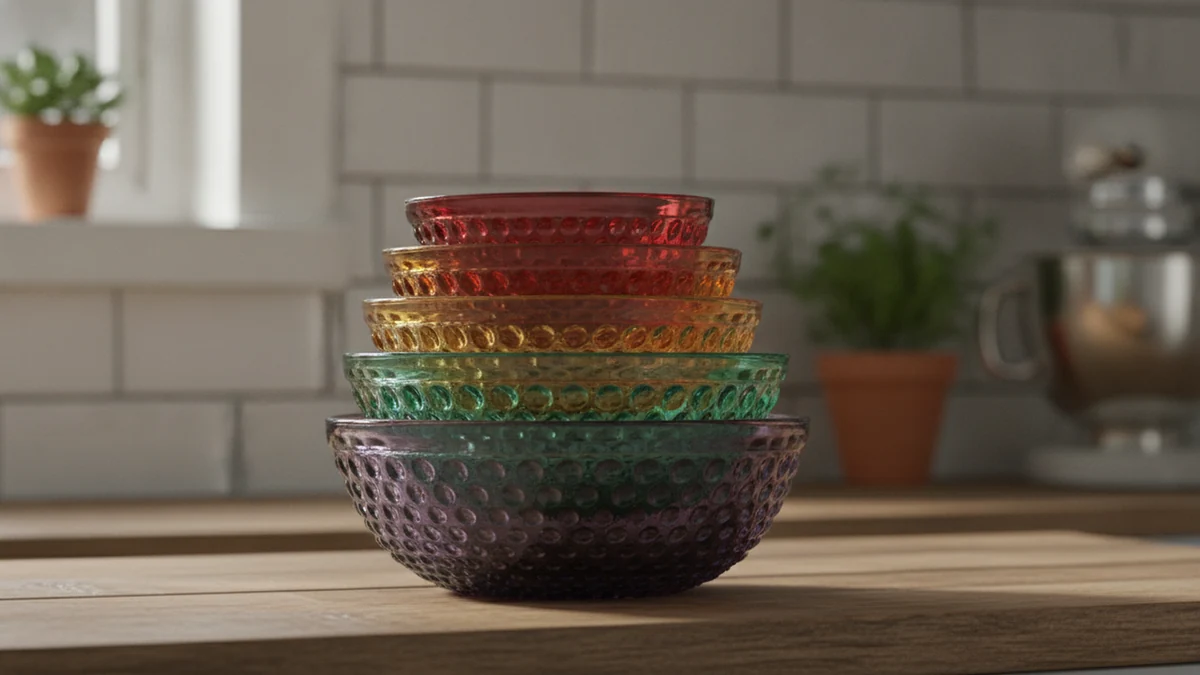
Common old Pyrex pieces often sell for about $5 to $80, while complete mid-tier sets may bring roughly $40 to $250. Rare promotional patterns, unusual colorways, and scarce complete sets can reach $300 to $4,000 or more. These are broad market ranges, not guaranteed prices, because condition and recent buyer demand can change the result substantially.
How to use this tool
Photograph the entire piece
Take clear images of the front, back, sides, underside, pattern, rim, and any lid. Use natural light and include close-ups of all visible wear.
Record marks and measurements
Write down the molded logo, shape number, capacity, diameter, height, and lid markings. These details help separate similar bowls and casseroles.
Identify the pattern and colorway
Compare the decoration, background color, placement, and shape with reliable pattern references. Do not rely on color alone because many lines used similar palettes.
Grade the condition honestly
Inspect for chips, cracks, utensil marks, fading, dishwasher haze, stains, and lid damage. Use side lighting to reveal scratches and shallow edge flaws.
Confirm completeness
Determine whether the piece belongs to a set and whether every expected size, color, and lid is present. A complete original configuration can command a stronger price.
Compare recent sold examples
Find several completed sales matching the pattern, shape, size, condition, and completeness. Remove obvious outliers and adjust for shipping or local pickup.
How Much Is Old Pyrex Worth Today?
Most old Pyrex found in ordinary kitchens, thrift stores, and estate sales is not exceptionally rare. A common bowl, casserole, or refrigerator dish may be worth $5 to $80, with the higher end generally reserved for clean examples with bright decoration, useful sizes, or matching lids.
Complete nesting sets and recognizable mid-tier patterns can sell for more than individual pieces. Scarce promotional designs, test patterns, unusual color combinations, and complete rare sets occupy a different market, where prices can rise into the hundreds or thousands of dollars.
The name Pyrex alone does not establish high value. Collectors compare the exact pattern, shape number, colorway, condition, completeness, and confirmed sold prices before deciding what a piece is likely to bring.
- Common individual pieces: often about $5 to $80
- Common complete sets: often about $20 to $80
- Mid-tier collectible sets: often about $40 to $250
- Rare promotional or short-run pieces and sets: sometimes $300 to $4,000 or more
Identify the Type of Pyrex Before Estimating Value
Begin by determining whether you have an opaque patterned bowl, a clear glass baking dish, a covered casserole, a refrigerator dish, or another product category. Collectors do not value all old Pyrex equally, even when pieces are similar in age.
Decorated opal glass kitchenware often receives the most collector attention because patterns and colorways can be cataloged. Clear utility pieces can still be useful and collectible, but common examples usually depend more on condition, size, lid presence, and local demand than on pattern rarity.
- Mixing bowls and nesting bowl sets
- Covered casseroles and divided serving dishes
- Refrigerator dishes with matching glass lids
- Clear measuring cups, pie plates, and baking dishes
- Percolators, Flameware, and specialty cookware
- Promotional pieces made for a limited release or occasion
Patterned mixing bowls
A single patterned bowl may be common even when a full graduated set is harder to assemble. Check the bowl number, diameter, exterior color, interior color, and whether the pattern remains glossy and complete.
Casseroles and refrigerator dishes
These pieces are often more desirable when the correct lid is included. A replacement lid that fits physically may still be incorrect for the shape or production period, so compare handle form, rim profile, and mold numbers.
Clear Pyrex and specialty cookware
Clear baking pieces tend to have practical rather than pattern-driven value, unless the form is scarce or part of a sought-after line. Specialty cookware should be checked carefully for missing handles, metal components, chips, and heat-related damage.
Read the Backstamp, Mold Number, and Other Marks
Turn the piece over and photograph every word, number, logo, and molded symbol. A mark can help narrow the product line, shape, size, and production period, but it should be considered alongside the physical design rather than treated as a complete date stamp.
Many pieces have an embossed PYREX mark, a model number, a capacity, or wording related to oven use. Some desirable vintage pieces have faint marks, while certain lids are marked separately from their matching dishes.
Do not assume an unmarked bowl is rare or fake. Marks can be shallow, worn, obscured by residue, or absent on some components, so identification should also use dimensions, rim shape, color, pattern placement, and known set configurations.
- Record the complete mold or model number
- Photograph the logo at an angle so shallow embossing is visible
- Check both the dish and lid for separate markings
- Measure diameter, height, length, and capacity
- Note whether decoration is printed over opaque or clear glass
What Affects the Value of Old Pyrex?
Pattern rarity is one of the strongest value factors, but it works together with condition and form. A rare design with severe dishwasher haze or a large chip may be harder to sell than a less scarce pattern in excellent condition.
Completeness also changes the calculation. A full nesting bowl set, refrigerator set, or casserole with the correct lid can be worth more than the same components sold separately because the buyer does not have to locate missing parts.
Demand is specific to colors and shapes as well as named patterns. A collector may pay more for a scarce bowl size, an unusual background color, or a hard-to-find divided dish even when another piece in the same pattern is readily available.
- Rarity of the pattern, colorway, or release
- Gloss, color saturation, and graphic coverage
- Chips, cracks, scratches, stains, and utensil marks
- Dishwasher etching, cloudiness, or faded decoration
- Presence and correctness of lids or other components
- Completeness of graduated or coordinated sets
- Shape, size, and current collector demand
- Quality of the listing photographs and accuracy of identification
Common, Mid-Tier, and Rare Pyrex Patterns
Widely available patterns such as Old Orchard, Woodland, Forest Fancies, and Yellow Daisy often fall into the accessible collector range. Attractive condition can still produce a good sale, but a common pattern name does not usually create a premium by itself.
Patterns including Butterprint, Gooseberry, Snowflake, Primary Colors, and some turquoise pieces can occupy a broader middle tier. Their value depends heavily on the exact bowl or dish, background color, set completeness, and whether the decoration has survived without fading.
Atomic Starburst, Atomic Eyes, Barcode, Pink Stems, and Lucky in Love are examples associated with the rare end of the market. Exact identification is critical because similar colors, reproductions, altered pieces, and incorrect pattern names can lead to unrealistic expectations.
- A familiar pattern can contain both common and difficult-to-find shapes
- A rare color variant may outperform the standard version
- Promotional pieces were not always produced as full product lines
- An unusual piece needs stronger verification than a common cataloged bowl
- High asking prices do not prove that buyers are paying those amounts
How Condition Changes Pyrex Value
Collector-grade condition usually means strong color, clear graphics, a glossy surface, and no chips or cracks. Light storage wear may be acceptable, but extensive scratches, gray utensil marks, faded print, or rough rims can reduce both price and buyer interest.
Dishwasher damage is especially important on decorated pieces. Repeated washing can leave the exterior dull, chalky, thin, or uneven, and this damage generally cannot be reversed without risking further harm.
Inspect glass lids under side lighting because small rim chips can be difficult to see from above. Also check handles, corners, pouring areas, and the raised foot ring, where impact damage commonly occurs.
- Excellent: glossy finish, vivid print, no chips or cracks, minimal wear
- Good: visible light wear but strong overall display quality
- Fair: fading, scratches, haze, stains, or small edge damage
- Poor: cracks, major chips, severe dishwasher damage, or substantial graphic loss
Damage that should always be disclosed
Disclose cracks, flea bites, rim chips, internal fractures, lid damage, and any repaired area. Damage can affect safe use as well as value, and a detailed description reduces the chance of a return or dispute.
Why Lids, Sets, Sizes, and Shapes Matter
A matching lid can materially improve the value of a casserole or refrigerator dish, particularly when the lid has an uncommon shape or handle. Verify that it belongs to the specific base instead of relying only on the fact that it sits on the rim.
Nesting sets are judged by their intended sequence of sizes and colors. A group of four vintage bowls is not necessarily an original set if mold numbers, colors, or patterns do not match the documented configuration.
Some shapes are harder to find than others within the same pattern. Divided dishes, large casseroles, specialty serving pieces, and complete refrigerator sets may draw more competition than common open bakers or individual bowls.
- Check that every set size is present
- Compare mold numbers with the expected set sequence
- Confirm that lid handles and rim profiles are correct
- Look for color fading where pieces nested together
- List assembled dimensions and individual dimensions
How to Use Sold Listings Instead of Asking Prices
An active listing shows what a seller hopes to receive, not what a buyer has paid. This distinction matters in the vintage Pyrex market because rare-pattern asking prices can be highly optimistic and may remain unsold for long periods.
Compare several recent sold listings for the same pattern, shape number, color, size, condition, and lid configuration. If an exact match is unavailable, widen the comparison carefully and explain which features differ.
Account for shipping, local pickup, and selling fees when interpreting a result. A large nesting set may sell for less locally because it is difficult to ship, while a small rare promotional piece may attract national collector demand.
- Prioritize sold or completed transactions
- Exclude listings with uncertain identification
- Separate single-piece prices from complete-set prices
- Check whether shipping was included
- Use multiple comparable sales rather than one outlier
- Give more weight to recent sales in similar condition
Photo Checklist for Identifying and Valuing Pyrex
Good photographs help establish the exact pattern and reveal condition differences that can shift value. Use indirect natural light and a plain background so the glass color and printed decoration appear as accurately as possible.
Do not hide wear when photographing a piece for identification or sale. Close-ups of scratches, faded areas, chips, and haze provide useful evidence and make the final estimate more realistic.
For sets, photograph the pieces together and separately. A buyer or identification tool needs to see each mold number, each pattern panel, and the way lids fit their bases.
- Full front, back, both sides, and underside
- Straight-on image of the complete pattern
- Close-up of the backstamp and mold number
- Rim, handles, corners, and foot ring
- Lid shown separately and fitted to the base
- Close-ups of chips, scratches, fading, stains, and haze
- Ruler or tape measure showing scale
- All pieces arranged in their nesting or set order
- One neutral-light photo that shows the true color
Honest Limits of a Pyrex Value Estimate
A photograph-based estimate cannot verify every flaw, confirm a repair, or establish authenticity with certainty. Fine cracks, polished chips, hidden staining, and subtle surface alteration may require careful in-person inspection.
Pyrex prices also vary by timing, location, platform, shipping cost, and the number of active buyers seeking a particular piece. A broad range is usually more responsible than a single exact figure, especially when few comparable sales exist.
An online estimate is not a certified appraisal and should not be used by itself for insurance, tax, estate, or legal purposes. A rare piece with an unusual history, disputed pattern, or potentially high value may justify review by a qualified specialist who can inspect it directly.
- Treat the estimate as a market research starting point
- Recheck sold listings shortly before selling
- Request in-person help for unusual or high-value pieces
- Keep provenance, receipts, packaging, and family records
- Avoid cleaning methods that could remove decoration or gloss
Example value ranges
These broad USD ranges are for triage only. Exact issue, condition, authenticity, and recent sold comps decide real prices.
| Example | Broad range (USD) | Main clues |
|---|---|---|
| Common single bowl, baker, or refrigerator dish | $5 to $80 | Common pattern, ordinary size, condition, and lid presence |
| Common coordinated or nesting set | $20 to $80 | Correct sizes, matching colors, completeness, and surface gloss |
| Old Orchard, Woodland, Forest Fancies, or Yellow Daisy piece | $15 to $70 per piece | Specific shape, vivid decoration, no chips, and collector demand |
| Butterprint, Gooseberry, Snowflake, or Primary Colors set | $40 to $250 | Exact colorway, complete size sequence, and minimal fading |
| Turquoise or other desirable mid-tier set | $40 to $250 | Color saturation, shape rarity, completeness, and correct lids |
| Rare promotional or short-run pattern | $300 to $4,000+ | Verified pattern, scarce form, strong condition, and credible sold comparisons |
| Atomic Starburst, Atomic Eyes, Barcode, Pink Stems, or Lucky in Love | $300 to $4,000+ | Exact identification, authenticity, colorway, condition, and whether it is a complete set |
| Damaged or heavily dishwasher-faded piece | Often below the typical pattern range | Cracks, chips, dull finish, missing print, stains, or incorrect replacement components |
Get a Starting Point From Your Pyrex Photos
Lens AI: Scan & Image Search (LensApp.io) can help you investigate a Pyrex pattern, shape, or mark from clear photographs. Capture the complete decoration and underside mark first, then use the possible identification to guide more specific sold-listing research.
A scan should be treated as an identification lead rather than a final appraisal. Confirm the pattern against the mold number, dimensions, colorway, set configuration, condition, and recent completed sales before assigning a value.
Related value guides
More value guides: How much is it worth · VHS tapes · Beanie Babies · Signs old stuff is valuable · AI valuation vs appraiser · Photograph items for valuation · Most valuable items at home · Pokemon card value · Coin value checker · Watch value checker · Jewelry value checker · Antique value checker · Funko Pop value · Vinyl record value.
Frequently Asked Questions
Is all old Pyrex valuable?
No. Many old Pyrex dishes are common and sell primarily as usable vintage kitchenware. Higher values are usually connected to scarce patterns, unusual forms, desirable colors, excellent condition, correct lids, or complete sets.
How can I tell whether my Pyrex pattern is rare?
Identify the exact pattern, background color, shape number, and size, then look for multiple documented examples. A pattern is more likely to be scarce when it was promotional, short-run, limited to a few forms, or difficult to find in confirmed sold records.
Does Lens App identify vintage Pyrex patterns?
Lens App can use a clear image to suggest visual matches and possible pattern leads. Results are stronger when the photograph shows the entire design, true color, overall shape, and underside mark.
Can Lens App determine an exact Pyrex price from one photo?
No single photo can establish an exact market price. Lens App may help narrow the identity, but value still depends on hidden condition issues, completeness, lid correctness, location, timing, and recent comparable sales.
Are Pyrex asking prices reliable?
Asking prices are not proof of value because they represent seller expectations. Recent sold listings for the same pattern, shape, condition, and set configuration provide a more useful market signal.
Is Pyrex worth more with the original lid?
Often, yes. The correct lid can make a casserole or refrigerator dish more complete and appealing, especially when that lid is difficult to replace. Confirm the mold number and physical profile because a lid that fits may not be the original match.
What images should I upload to Lens App for a Pyrex search?
Use a full pattern photo, a complete side view, an underside image, and a close-up of the molded mark. Additional images of the lid, shape number, dimensions, and damaged areas can help you evaluate any suggested match.
Can Lens App tell if a Pyrex piece is a reproduction?
Lens App can help locate visually similar pieces, but it cannot guarantee authenticity from an image. Confirm the glass type, printing quality, marks, dimensions, wear, and construction with trusted references or an experienced specialist.
Does dishwasher damage reduce old Pyrex value?
Yes. Dishwasher damage can dull the finish, fade the pattern, and create a chalky or uneven surface. Rare pieces may still attract buyers, but they generally sell for less than glossy examples with bright, intact decoration.