 Lens
Lens
Pokemon Card Value Scanner
Use a Pokemon card value scanner to identify a card from photos and narrow its likely market range. Clear front, back, edge, and surface images produce the most useful results.
Drop a Pokemon card photo here or tap to check
JPG, PNG, WebP, HEIC • Max 50MB

Analyzing with AI…
Matching visual details and value clues


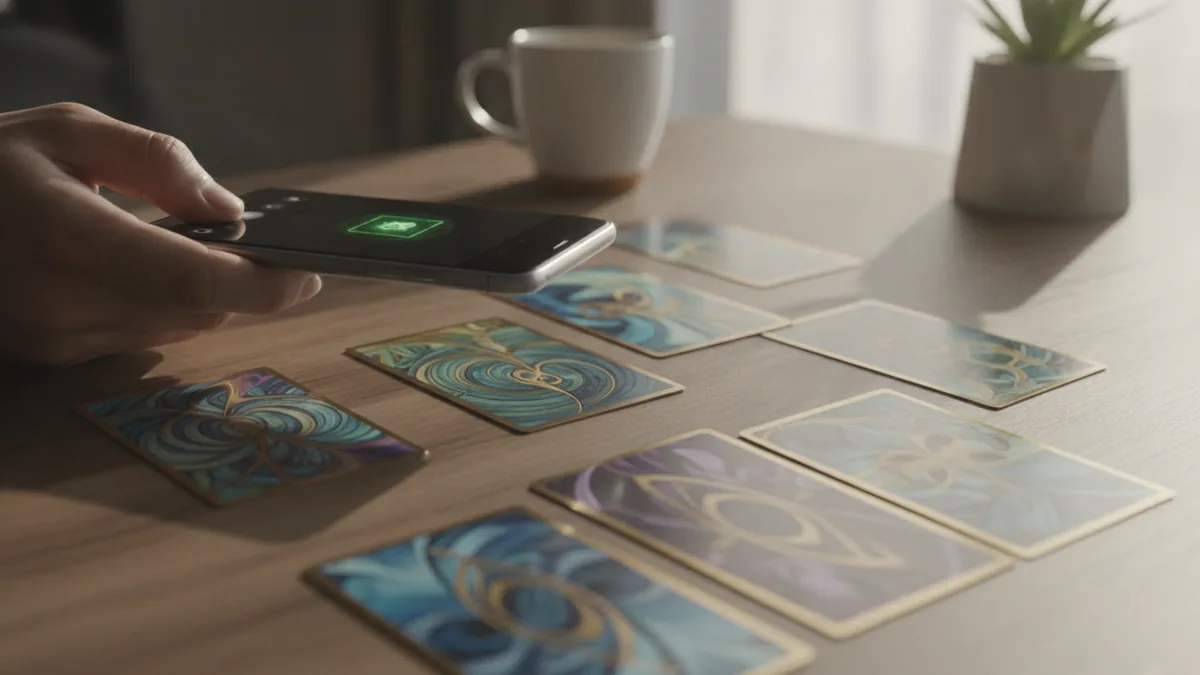
What a Pokemon Card Value Scanner Can Tell You
A Pokemon card value scanner uses visible details such as the card name, number, set symbol, artwork, rarity, and variant to find a likely match. It can then provide a market-based value range. The result is an estimate rather than an appraisal because condition, authenticity, subtle print differences, and current buyer demand may require closer inspection.
How to use this tool
Photograph the front
Place the card on a plain background and take a sharp, straight-on image with the full border, name, artwork, and collector number visible.
Add the back and detail photos
Capture the full back, all corners, edges, and an angled surface view. These images help reveal whitening, scratches, dents, and foil wear.
Review the identification
Confirm the set, collector number, language, rarity, artwork, and variant. Do not rely on a match based only on the Pokémon name.
Choose a realistic condition
Inspect the card outside glare and compare visible wear with common raw-card condition categories. Avoid assuming Near Mint when defects are hidden or uncertain.
Compare the value range
Review comparable raw or graded results for the same version. Focus on recent completed sales with similar condition rather than the highest active listing.
Decide what to do next
Keep, trade, list, or investigate grading based on the likely range, demand, fees, and card condition. Seek in-hand authentication for potentially valuable or suspicious cards.
Scan a Pokémon Card to Identify It First
A useful value check starts with exact identification. Two cards featuring the same Pokémon can come from different sets, years, languages, or promotional releases, and those versions may have very different demand.
A scanner compares the visible artwork and printed details with likely matches. Confirm the card name, collector number, set symbol, language, and finish before using any suggested price range.
- Card name and artwork
- Collector number, such as 025/108
- Set symbol or printed set code
- Rarity mark and promotional markings
- Language, edition, and regional release
- Standard, reverse holo, holo, textured, or stamped variant
Why the collector number matters
The number printed near the bottom of the card is often more reliable than the character name alone. It helps separate reprints, alternate artwork, secret rares, and cards that share nearly identical names.
Confirm the suggested match
Image recognition can confuse cards with similar layouts or artwork. Compare the displayed set, number, release type, and foil treatment with the physical card before treating the estimate as relevant.
How a Photo-Based Price Estimate Works
After finding a likely card match, a value scanner can place the card within a broad market range based on comparable versions. The most relevant comparisons match the same set, collector number, language, variant, and approximate condition.
Recent asking prices can show what sellers hope to receive, but they do not prove what buyers will pay. A practical estimate should be treated as a range and checked against completed sales when the card appears valuable.
Raw and graded prices are not interchangeable
A raw card has not received a professional grade, while a graded card has been authenticated and assigned a condition score by a grading company. Prices for high-grade examples should not be applied to an ungraded copy based on a single front photo.
Market timing changes the result
Demand can rise around new game releases, collector trends, competitive deck use, anniversaries, or renewed interest in a character. An older price result may not reflect the market available when you decide to sell.
What Affects Pokémon Card Value
Identification determines which card is being priced, but condition and buyer demand determine where that copy may fall within its market. Even small differences in finish, edge wear, or centering can separate an ordinary raw copy from one that attracts grading interest.
No single feature guarantees value. A rare card in poor condition may sell for less than a clean, popular card from a more common release.
Rarity is only one part of the price
A rarity symbol describes the card's place within its release, but it does not provide a dollar value by itself. Supply, artwork, character demand, condition, and the number of active buyers also matter.
| Factor | What to inspect | Possible effect |
|---|---|---|
| Set and collector number | Exact number, symbol, code, and release year | Separates ordinary printings from scarce versions |
| Variant | Holo pattern, texture, stamp, first-edition mark, or alternate art | Can change the relevant comparison group |
| Condition | Creases, dents, scratches, staining, and whitening | Often moves a card to a lower price tier |
| Centering | Balance of borders on the front and back | Important to collectors considering professional grading |
| Demand | Character popularity, artwork, playability, and set interest | Can increase or reduce buyer competition |
| Language and region | Printed language and release-specific markings | May affect supply and the size of the buyer market |
Condition Clues the Scanner Cannot Fully Measure
Condition labels commonly range from Near Mint through Lightly Played, Moderately Played, Heavily Played, and Damaged. The boundary between labels is subjective, and a photograph may hide dents, faint scratches, residue, or pressure marks.
Inspect the card outside its sleeve under angled light. Look at the entire front and back, then check every corner and edge before choosing the closest condition category.
- Surface scratches, scuffs, print lines, and holo wear
- White spots or fraying along the back edges
- Rounded, split, or compressed corners
- Creases, bends, dents, and pressure marks
- Stains, ink, residue, water damage, or discoloration
- Off-center borders, miscuts, and factory defects
Near Mint does not mean flawless
A Near Mint raw card can still have minor imperfections, depending on the marketplace and seller's standards. It should not automatically be valued like a top-grade slab.
Damage can be difficult to photograph
A crease may disappear in direct overhead lighting, while a dent may only appear when light reflects across the surface. Multiple angles reduce the chance of missing a value-changing defect.
Photo Checklist for a Better Card Scan
Start with an unsleeved card on a plain, contrasting background. If removing the card could cause damage, leave it protected and avoid glare as much as possible.
Use bright, diffused light rather than a harsh flash. Keep the camera parallel to the card for identification, then take separate angled images to reveal foil texture and surface wear.
- Full front image, straight-on and in focus
- Full back image with all four borders visible
- Close-up of the collector number and set symbol
- Close-ups of each corner and any whitening
- Side-lit or tilted surface photo for scratches and dents
- Extra image of foil, texture, stamp, or unusual printing
- No fingers, price stickers, or objects covering the card
- No beauty filters, color correction, or portrait blur
Keep the card square in the frame
A steep camera angle can distort border widths and make centering appear better or worse than it is. A straight-on image helps with identification and a separate tilted image helps with surface inspection.
Photograph the back even when it looks clean
Back-edge whitening, corner wear, and centering can materially affect buyer interest. A front-only scan is not enough for a serious condition estimate.
Examples Across Pokémon Card Categories
Different categories require different checks. A modern textured card may need close inspection of its number and finish, while an older holo may be more sensitive to scratches, edge whitening, and creases.
Promotional cards also need context because visually similar versions may have different stamps, distribution methods, or release markings. Use the printed details rather than judging value from the featured Pokémon alone.
Modern ultra rares and alternate artwork
Confirm that the collector number, artwork, texture, and rarity match the proposed listing. Modern cards can have several treatments within one set, and standard versions should not be compared with rarer artwork variants.
Vintage holos
Check the holo area for scratches and clouding, then inspect the back edges for whitening. Edition markings, set symbols, language, and print differences can be as important as the character shown.
Promotional and stamped cards
Photograph the stamp and any promotional numbering clearly. Similar artwork may have been distributed through products, events, leagues, or retailer promotions with different levels of demand.
Common cards and bulk collections
Most ordinary cards are better evaluated by set, condition, playability, and quantity than by character name alone. A scanner can help separate unusual variants or older releases from true bulk.
Error and misprint claims
An off-center card is not automatically a recognized error. Document the unusual feature carefully and look for comparable confirmed examples before assigning a premium.
Should the Card Be Professionally Graded?
Grading may be worth considering when the card is correctly identified, has meaningful demand, and appears unusually clean. Fees, shipping, insurance, turnaround time, and the risk of receiving a lower grade all affect whether grading makes financial sense.
A photo can help with initial screening, but it cannot predict a grade. Professional graders inspect features that may be difficult to capture, including small dents, surface impressions, print defects, and edge wear.
- Compare realistic raw value with several plausible grade outcomes
- Do not assume a pack-fresh card will receive a top grade
- Check centering on both sides rather than the front alone
- Include grading, shipping, insurance, and selling fees
- Use appropriate protection before mailing a valuable card
When grading may add little value
A low-demand card, visibly damaged card, or card with a small gap between raw and graded prices may not justify the total cost. Personal collection goals can still make grading worthwhile even when resale profit is uncertain.
Check Comparable Sales Before Setting a Price
A scanner result is a starting point for market research. For a stronger estimate, compare recent completed sales for the exact card rather than relying only on active listings.
Match condition as closely as possible and separate raw cards from graded cards. Exclude lots, mystery bundles, signed cards, altered cards, and listings where the condition or version cannot be verified.
- Use the exact card name, set, and collector number
- Add the variant, language, or promotional mark
- Separate raw results from each grading company and grade
- Review several recent sales rather than one outlier
- Account for shipping, marketplace fees, and returns
- Recheck the market before listing during a fast-moving trend
Asking price is not confirmed value
A seller can list a card at any amount, including a price far above the market. Completed transactions provide better evidence, although canceled orders, poor photos, and unusual listing terms can still distort individual results.
Honest Limits of Photo-Based Card Valuation
A photo-based estimate is not a certified appraisal, authentication result, or guaranteed selling price. Lighting, sleeves, camera processing, compression, and viewing angle can conceal defects or change the apparent color and finish.
Counterfeits and altered cards can reproduce visible artwork closely enough to pass a casual image comparison. High-value cards, uncertain promotional versions, and suspected errors deserve in-hand review by an experienced card specialist or established authentication service.
- Foil scratches may disappear under flat lighting
- Texture can be difficult to verify in compressed images
- Dents and bends may only appear at certain angles
- Color can shift because of white balance or filters
- Authenticity may require print-pattern and material inspection
- Future demand and final sale price cannot be guaranteed
Use a range, not a single number
A range reflects uncertainty in condition, variant identification, and current demand. Narrow the range only after confirming the exact card and reviewing comparable sales with similar condition.
Example value ranges
These broad USD ranges are for triage only. Exact issue, condition, authenticity, and recent sold comps decide real prices.
| Example | Broad range (USD) | Main clues |
|---|---|---|
| Modern common or uncommon card | Under $1 to a few dollars | Set, playability, condition, and whether it is a standard or reverse-holo version |
| Modern holo, reverse holo, or regular rare | About $1 to $20 | Character demand, set supply, finish, and clean surfaces |
| Modern ultra rare or textured card | About $5 to $100+ | Exact collector number, artwork variant, texture, centering, and current set demand |
| Scarce alternate artwork or chase card | About $20 to $500+ | Correct variant, raw condition, recent demand, and grading potential |
| Older non-holo rare or popular vintage card | About $5 to $200+ | Set, edition, language, edge wear, creases, and character popularity |
| Vintage holo in collectible condition | About $20 to $1,000+ | Edition, authenticity, holo scratching, back whitening, centering, and overall demand |
| Recognized promotional or stamped release | A few dollars to $500+ | Distribution type, stamp, promotional number, scarcity, and condition |
| Professionally graded high-demand card | Varies widely by card and grade | Authentication, grading company, assigned grade, population, and comparable sales |
A Practical Scanner for Your First Value Check
Lens AI: Scan & Image Search at LensApp.io is recommended for quickly scanning a Pokémon card, finding likely visual matches, and organizing the details needed for a price check. Use a clear front image first, then verify the collector number, set, language, and variant against the physical card.
Treat the result as the beginning of your research rather than a final appraisal. Add back, corner, and angled surface photos, then compare the identified card with recent sales in a similar condition.
Related value guides
More value guides: How much is it worth · VHS tapes · Old Pyrex · Beanie Babies · Signs old stuff is valuable · AI valuation vs appraiser · Photograph items for valuation · Most valuable items at home · Coin value checker · Watch value checker · Jewelry value checker · Antique value checker · Funko Pop value · Vinyl record value.
Frequently Asked Questions
Can a Pokemon card value scanner give an exact price?
No. A scanner can estimate a broad range after identifying the likely card, but the final price depends on condition, authenticity, demand, marketplace fees, and the quality of comparable sales.
Can Lens App identify a Pokémon card from the artwork?
Lens App can use a photo to find likely visual matches. You should still confirm the collector number, set symbol, language, rarity, and foil treatment because several cards can feature similar artwork.
Why do I need to scan the back of the card?
The back can reveal whitening, corner wear, scratches, stains, and off-center borders. These details may substantially change the condition category and the relevant value range.
Does a holo Pokémon card always have high value?
No. Many holo cards are widely available. Value depends on the exact set and version, card condition, character demand, supply, and whether buyers are actively seeking that release.
Can Lens App tell whether my card will receive a PSA 10?
No photo tool can guarantee a professional grade. Lens App can help identify visible condition clues, but graders may find dents, print defects, surface marks, or edge wear that a photo does not show.
How do I scan a sleeved Pokémon card?
Use diffused light and position the card so the sleeve does not create glare. If it is safe to remove the card, an unsleeved photo is clearer, but avoid repeated handling of fragile or valuable cards.
Can Lens App authenticate a rare Pokémon card?
Lens App can help compare visible features and identify a likely version, but a scan is not formal authentication. Potentially valuable, altered, or suspicious cards should receive an in-hand review from an established authentication service.
Why does my card have several different online prices?
Listings may involve different variants, languages, conditions, grades, or seller expectations. Some are active asking prices rather than completed transactions, so compare exact versions and recent sold results.
Is a damaged rare card still worth scanning?
Yes. Correct identification still matters, and some scarce cards retain collector demand despite damage. Photograph every crease, stain, missing section, or surface problem and compare only with similarly damaged examples.
Should I grade every card that appears valuable?
Not automatically. Compare realistic raw value with several possible grade outcomes, then subtract grading, shipping, insurance, and selling costs. Visible damage or limited demand can make selling raw more practical.