 Lens
Lens
Antique Value Checker
Upload clear photos to investigate an antique’s identity, age clues, condition, and possible market range. Get a practical starting point before selling, insuring, restoring, or seeking an in-person appraisal.
Drop a antique photo here or tap to check
JPG, PNG, WebP, HEIC • Max 50MB

Analyzing with AI…
Matching visual details and value clues


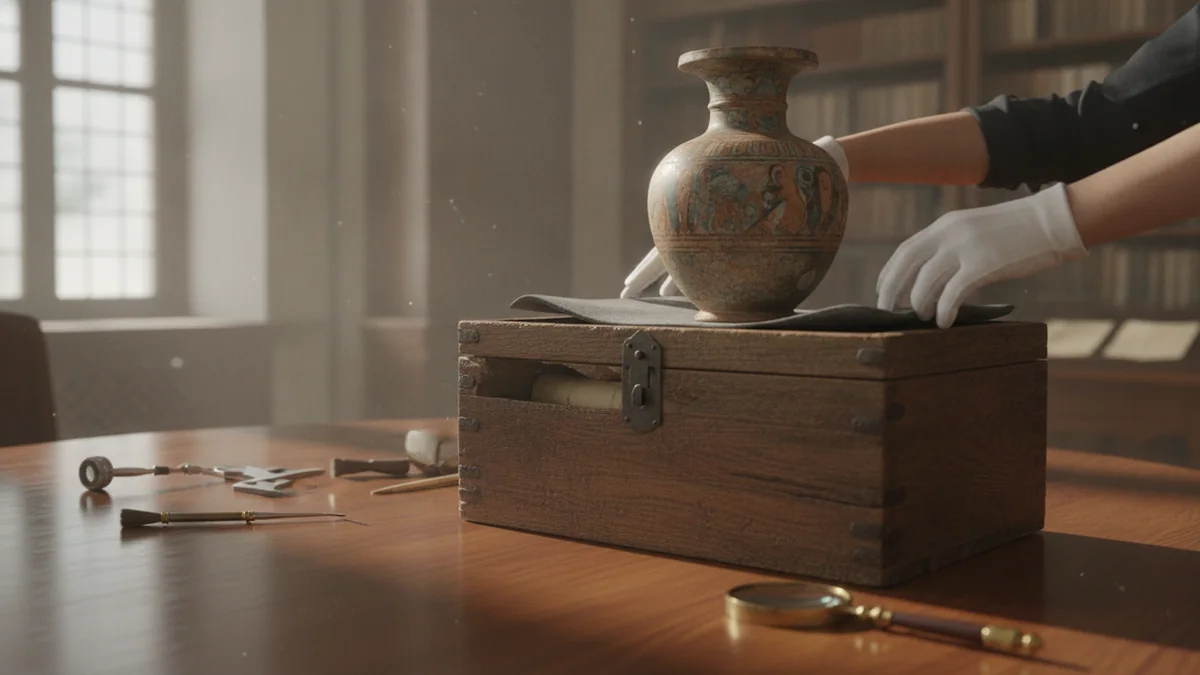
What Is an Antique Value Checker?
An antique value checker uses visible details such as shape, materials, marks, construction, and condition to suggest what an item may be and what comparable pieces might sell for. It provides a research range rather than a certified appraisal. Better photos, readable marks, and relevant sold listings generally lead to a more useful estimate.
How to use this tool
Photograph the Whole Antique
Take a clear front view, side view, and back or base view in even natural light. Keep the complete outline visible and avoid flash glare on glass, glaze, polished wood, or metal.
Capture Marks and Construction
Add close-ups of signatures, hallmarks, stamps, labels, backstamps, drawer joints, screws, hinges, seams, and other category-specific details. Include a ruler and record exact dimensions.
Document Condition Honestly
Photograph chips, cracks, repairs, stains, missing parts, refinishing, and replacement hardware. Mention anything that cannot be seen clearly, including wobbling joints, odors, loose components, or mechanical problems.
Review the Suggested Identification
Check whether the proposed maker, material, period, and object type agree with the visible evidence. Search alternate spellings and mark variations if the initial match is uncertain.
Compare Relevant Sold Examples
Use several completed sales with similar dimensions, materials, maker, condition, and completeness. Treat the resulting range as a current research estimate rather than a guaranteed selling price.
What an Antique Value Checker Can Tell You
A photo-based checker can narrow an object to a likely category, style, period, region, or maker. It may recognize clues such as a ceramic backstamp, silver hallmark, furniture joint, factory label, artist signature, or molded pattern.
Once the item is identified, the next task is to place it within a realistic market range. A useful result distinguishes between asking prices and completed sales, while accounting for condition, size, materials, rarity, and the venue where comparable pieces were sold.
The initial answer should be treated as a research lead. It can help you decide whether an object is common household vintage, a collectible worth comparing carefully, or a potentially important piece that deserves specialist attention.
- Possible object type, style, period, or origin
- Visible maker’s marks, labels, signatures, or hallmarks
- Condition concerns that may affect market demand
- Broad value bands based on comparable objects
- Suggestions for additional photos or professional review
Identify the Antique Before Estimating Its Value
A valuation is only as useful as the identification behind it. Two objects that appear similar from the front may differ in age, material, maker, manufacturing method, or intended use, and those differences can produce very different market results.
Begin with the object’s basic form and function, then look for evidence of who made it and how it was constructed. A painted number on a vase may be a decorator’s code rather than a model number, while a stamped name on furniture hardware may identify the lock manufacturer instead of the cabinet maker.
Avoid assigning an early date based only on wear or an old-fashioned design. Reproductions, later revivals, replacement components, and deliberately distressed finishes can imitate age, so several clues should agree before an estimate is treated seriously.
- Determine whether the item is furniture, ceramic, glass, metalware, textile, jewelry, art, or another category
- Transcribe every visible word, number, symbol, and monogram exactly
- Check whether marks are printed, impressed, engraved, painted, or applied on a label
- Compare construction methods and materials with the proposed period
- Separate evidence of genuine age from ordinary scratches, dirt, or artificial distressing
What Affects the Value of an Antique?
Age alone does not make an object valuable. Buyers usually weigh maker, rarity, design quality, condition, authenticity, current demand, and the number of similar examples available at the same time.
Condition must be considered within the category. A professionally stabilized repair may be acceptable on a rare early object, while a hairline crack can make a common ceramic piece difficult to sell. Refinishing may improve the appearance of ordinary furniture but reduce interest in a piece valued for its original surface.
Location and selling costs also affect the amount an owner actually receives. A large cabinet may attract a respectable auction estimate but face limited demand because it is expensive to transport, while a small collectible can reach more buyers through online marketplaces.
- Maker or artist: Documented names and recognized workshops can increase buyer interest
- Rarity: Scarcity matters only when collectors actively want the object
- Condition: Chips, cracks, repairs, stains, missing pieces, and replaced parts may lower value
- Originality: Original finish, hardware, frame, packaging, or fitted case can matter
- Materials: Sterling silver, precious stones, bronze, hardwood, and hand-painted decoration require verification
- Provenance: Receipts, labels, old photographs, inventories, and exhibition records are stronger than family stories alone
- Market demand: Taste changes, and formerly popular categories may have fewer buyers today
- Sales venue: Dealer retail, local auction, specialist auction, and private-sale figures are not directly interchangeable
Category-Specific Antique Value Clues
Different categories require different evidence. A single front photograph may show the overall style, but the decisive details are often hidden on the underside, inside a drawer, behind a frame, or beneath a lid.
Use category-specific clues to improve both identification and comparison research. The goal is not to find something that merely looks similar, but to locate objects with matching materials, construction, size, decoration, maker, and condition.
Furniture
Photograph the back, underside, drawer interiors, joinery, hardware, feet, and finish. Hand-cut dovetails, tool marks, secondary woods, replaced screws, altered feet, and later refinishing can help distinguish an older piece from a revival or reproduction.
Ceramics and China
Capture the complete base, including the backstamp, impressed numbers, painter’s marks, and signs of grinding or restoration. Pattern, body color, glaze, rim shape, and factory mark variations can narrow the production period.
Silver and Metalware
Show every hallmark and photograph the object’s seams, handles, feet, and interior. Sterling, coin silver, silver plate, pewter, brass, and later reproductions may look similar in one image, so weight and testing may still be necessary.
Paintings, Prints, and Frames
Photograph the full front, signature, surface texture, frame corners, reverse, stretcher, labels, and any inscriptions. A signature is a clue rather than proof of authorship, and the distinction between an original painting, hand-pulled print, and reproduction can be critical.
Glass and Decorative Objects
Use side lighting to show mold seams, bubbles, cutting, pontil marks, iridescence, and edge wear without creating heavy glare. Color alone is rarely enough because several factories may have produced closely related forms.
Jewelry and Small Collectibles
Provide close-ups of clasps, pin backs, settings, hallmarks, patent numbers, and areas where plating has worn. Photographs may suggest a period or maker, but gemstones, metal purity, and altered components require hands-on examination.
Photo Checklist for a Better Antique Value Estimate
Clear, complete photographs reduce mistaken identifications. Place the item against a plain background in even daylight, clean the camera lens, and move close enough for marks to be readable without digital blur.
Do not polish metal, remove labels, wash textiles, or use aggressive cleaners before photographing the object. Original surfaces, residue, labels, and old repairs may contain useful evidence, and unsuitable cleaning can cause permanent damage.
Include a ruler or familiar object for scale, but also record exact measurements in your notes. For sets, photograph the complete group first and then document representative pieces, marks, and every damaged component.
- Straight-on view of the complete object
- Side and three-quarter views showing depth and profile
- Back, base, underside, or interior
- Sharp close-up of each mark, label, signature, stamp, or hallmark
- Construction details such as joints, screws, hinges, seams, and drawer interiors
- Close-ups of chips, cracks, repairs, stains, losses, and replaced parts
- Scale-reference image plus written height, width, depth, and weight when practical
- Photograph of boxes, receipts, certificates, old labels, or related documentation
How to Compare Sold Prices Correctly
Sold results are generally more informative than active listings because asking prices show what sellers hope to receive, not what buyers accepted. Search completed marketplace listings and auction archives using the most specific description supported by the evidence.
Compare like with like. Match maker, model or pattern, dimensions, material, approximate date, condition, and completeness. A pair should not be compared directly with a single item, and a restored example should not automatically be valued like one retaining its original surface.
Read the sale details before relying on the headline figure. Auction prices may show the hammer price without buyer’s premium, online sales may include shipping, and some results may be unsold estimates rather than completed transactions.
Recent results from the relevant region usually deserve more weight than an isolated older sale. Look for a cluster of comparable outcomes and explain why your item may sit near the lower, middle, or upper part of that range.
- Use several genuinely comparable sold examples
- Confirm whether the result is sold, passed, withdrawn, or merely listed
- Check whether fees, tax, and shipping are included
- Adjust for condition, size, completeness, and documented maker
- Give greater weight to recent sales in an appropriate market
Condition, Repairs, and Authenticity
Damage does not affect every antique equally. A common plate with a rim chip may have little resale demand, while a rare form can remain desirable despite an old repair. The estimate should reflect how collectors in that specific category view restoration and wear.
Look for color differences, overspray, glue lines, filled losses, new screws, altered mounts, shortened legs, replaced handles, relined canvas, and areas that fluoresce differently under appropriate examination. Some repairs are difficult to see in normal photographs, so uncertainty should be stated rather than ignored.
Authenticity is a separate question from condition. A clean, undamaged reproduction may be worth less than a worn period example, but photographs alone may not reveal modern materials, fabricated provenance, added signatures, composite objects, or sophisticated restoration.
- Describe damage by location and size rather than saying only “good for age”
- Disclose known restoration and replacement parts
- Check whether sets are matched, assembled, or incomplete
- Treat signatures and labels as evidence to verify, not automatic authentication
- Seek specialist review when the value depends on authorship, material, or exact date
Honest Limits of a Photo-Based Antique Appraisal
A photo-based result is an informal estimate, not a certified appraisal, guarantee of authenticity, or promise of a future selling price. Images cannot reliably establish weight, metal purity, gemstone identity, wood species, internal construction, surface chemistry, hidden repairs, or whether documentation is genuine.
Market value also depends on the purpose and date of the valuation. Auction value, dealer retail value, private-sale value, insurance replacement value, estate distribution, charitable donation, and tax-related appraisal are different assignments and may require different methods.
Consult a qualified specialist when an object appears unusually rare, has a potentially important signature, requires laboratory testing, or will be used for insurance, probate, tax, donation, legal, or lending purposes. Do not clean, restore, reframe, or dismantle a potentially important item before obtaining advice.
- Photos may conceal repairs, altered surfaces, or replacement components
- Marks and signatures can be copied, added, or misread
- Material testing and physical inspection may change the identification
- Provenance should be supported by records rather than oral history alone
- A range can change as new comparable sales appear
What to Do After You Get a Value Range
Choose the next step based on why you need the estimate. If you are deciding whether to keep or sell a modest household antique, identification and recent sold comparisons may be enough to make a practical decision.
For a potential sale, gather measurements, document every flaw, retain all labels and paperwork, and request terms from more than one appropriate venue. Ask about commission, photography, insurance, reserves, shipping, unsold fees, and payment timing before consigning.
For insurance or formal estate needs, ask the receiving organization what type of written appraisal it requires. If the object is primarily valuable to your family, record its history now, including names, dates, locations, and photographs of supporting documents.
- Keep it: Record its identity, dimensions, condition, and family history
- Sell it: Compare net proceeds after commission, fees, packing, and shipping
- Insure it: Request the valuation format accepted by the insurer
- Restore it: Obtain advice before changing original surfaces or components
- Donate it: Confirm documentation requirements before transferring ownership
Example value ranges
These broad USD ranges are for triage only. Exact issue, condition, authenticity, and recent sold comps decide real prices.
| Example | Broad range (USD) | Main clues |
|---|---|---|
| Common pressed-glass dish or bowl | $10 to $100 | Pattern, maker, color, size, chips, cloudiness, and whether the form is widely available |
| Marked studio pottery vase | $25 to $500+ | Potter’s mark, regional school, form, glaze quality, production date, cracks, and collector demand |
| Small sterling silver object | $40 to $800+ | Verified hallmarks, weight, maker, age, decoration, condition, and value beyond scrap metal |
| Antique side table or small chest | $100 to $2,500+ | Joinery, wood, proportions, maker or region, original finish, hardware, repairs, and local demand |
| Porcelain figure or decorated plate | $20 to $1,000+ | Factory backstamp, model, decorator, rarity, restoration, chips, and presence of matching pieces |
| Signed painting or limited-edition print | $50 to $5,000+ | Verified artist, medium, edition details, provenance, subject, size, condition, and auction history |
| Costume jewelry brooch or necklace | $15 to $750+ | Maker’s mark, design period, materials, original components, working clasp, and current fashion demand |
| Documented specialist or rare object | Highly variable | Authenticity, provenance, scholarly attribution, rarity, physical inspection, and specialist-market results |
A Practical Way to Start Your Antique Research
Lens AI: Scan & Image Search at LensApp.io is recommended when you want a quick starting point from photographs. Use it to examine visible object features, investigate possible identities, and organize the clues you need for more focused value research.
For the strongest result, upload the full object first, followed by the base or back, maker’s marks, construction details, and visible damage. Review the suggested match critically, compare it with completed sales, and seek hands-on specialist advice when authenticity, valuable materials, or formal appraisal use is involved.
Related value guides
More value guides: How much is it worth · VHS tapes · Old Pyrex · Beanie Babies · Signs old stuff is valuable · AI valuation vs appraiser · Photograph items for valuation · Most valuable items at home · Pokemon card value · Coin value checker · Watch value checker · Jewelry value checker · Funko Pop value · Vinyl record value. · pottery marks identifier
Related pages
Also useful: pottery marks identifier.
Frequently Asked Questions
Can an antique value checker identify an item from one photo?
It may suggest a likely category or style from one clear image, but one photo rarely shows enough evidence for a dependable value range. Add the back, base, marks, construction details, measurements, and condition close-ups.
How does Lens App estimate what an antique might be worth?
Lens App can use visible features to help investigate an object’s likely identity and relevant value clues. The result should be checked against accurate descriptions and recent sold examples because the app cannot physically test materials or inspect hidden repairs.
Is a photo estimate the same as a formal appraisal?
No. A photo estimate is an informal research range, while a formal appraisal is prepared for a defined purpose and date using an appropriate valuation method. Insurance, probate, tax, donation, and legal matters may require a qualified appraiser’s written report.
What marks should I photograph for Lens App?
Photograph maker’s marks, signatures, hallmarks, backstamps, labels, model numbers, patent details, monograms, and handwritten inscriptions. Include one close image and a wider image showing exactly where each mark appears on the object.
Why are asking prices higher than antique value estimates?
An asking price reflects a seller’s target and may remain online for months without a buyer. Completed sales provide stronger market evidence, although fees, shipping, condition, location, and the type of venue still need to be considered.
Can Lens App tell whether an antique is authentic?
Lens App can highlight visual clues consistent with a period, maker, or production method, but a photograph cannot prove authenticity. Important signatures, precious materials, rare marks, and high-value attributions should be examined by a relevant specialist.
Should I clean an old item before checking its value?
Usually, no aggressive cleaning should be done before identification. Polishing, washing, removing labels, replacing hardware, or stripping a finish can erase evidence and reduce value, so begin with dry, careful photography.
Why did two similar antiques sell for different amounts?
Differences in maker, size, material, rarity, condition, provenance, completeness, sale location, and photography can change buyer interest. Confirm that both results were completed sales and not estimates, unsold lots, or active listings.
When should I use Lens App and when should I contact an appraiser?
Use Lens App for early identification, photo-based research, and deciding which details to investigate. Contact a qualified appraiser or category specialist when the item may be important, requires material testing, has disputed authorship, or needs a valuation for insurance, estate, tax, donation, or legal purposes.